Forbes Books Review: Is It Worth It vs Author-Owned Publishing?
Many authors comparing Forbes Books with other publishing options believe they are choosing between editing quality, marketing support, or publishing prestige.
Those comparisons miss the real decision.
Many authors searching “Is Forbes Books worth it?” or looking for a Forbes Books review are not just comparing services, they’re evaluating which publishing model will actually support their long-term goals.
Professional publishing programs often offer similar services, editing, production, and distribution, but they are built on different structural models.
Some systems organize publishing around a media brand ecosystem.
Others organize publishing around the author’s intellectual property and long-term authority platform.
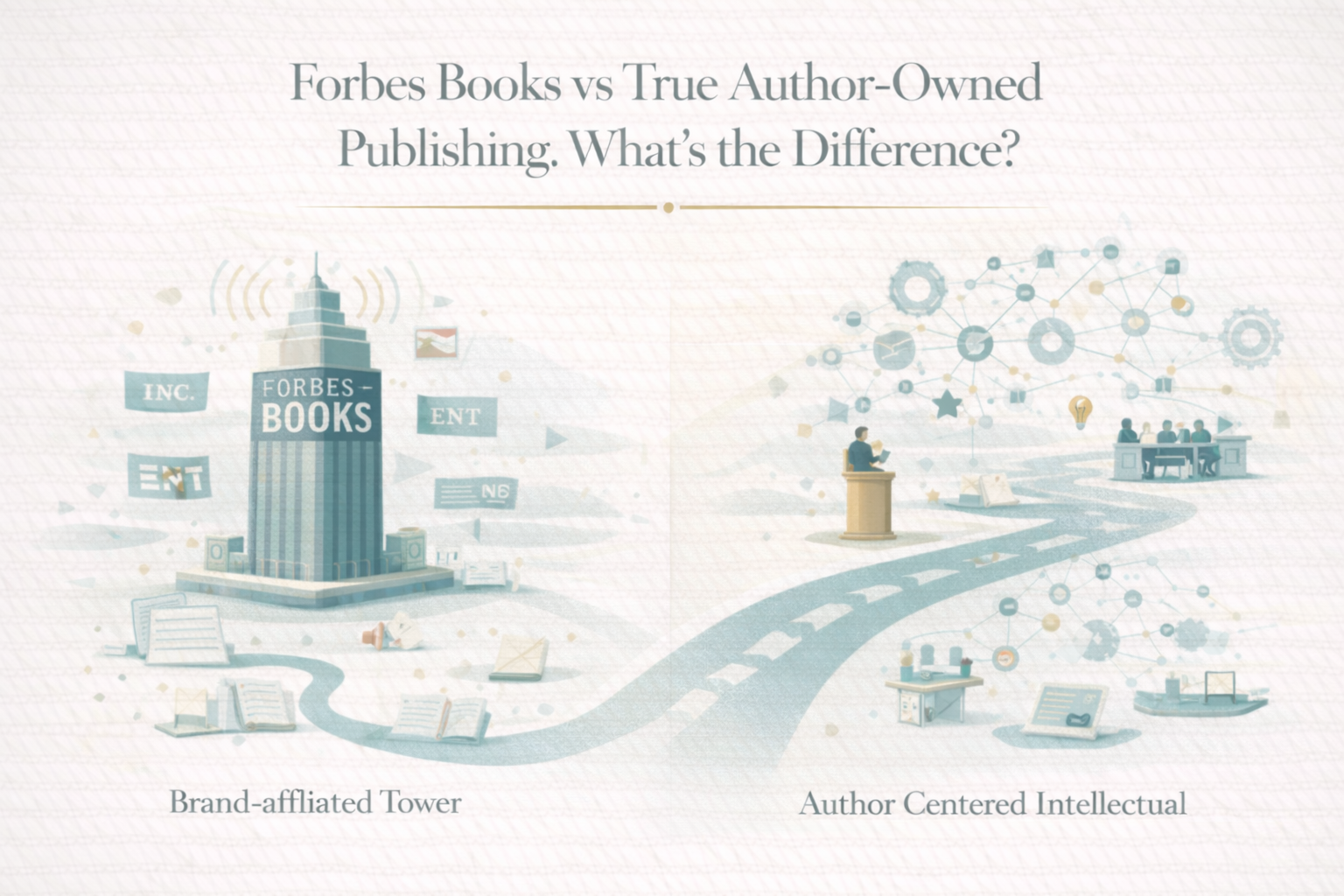
Forbes Books represents a brand-affiliated publishing system.
Author-owned publishing represents an intellectual-property-centered publishing system.
For serious nonfiction authors, the question is not simply which publisher produces the best book.
The real question is:
Do you want to publish inside a brand-affiliated publishing environment, or build a publishing system centered on your own intellectual property?
That structural difference determines how the book functions long after publication.
Is Forbes Books Worth It?
Forbes Books can be worth it for authors who prioritize brand affiliation, credibility signaling, and visibility within a recognized media ecosystem.
However, for authors focused on building long-term intellectual property, owning their audience, and developing independent publishing infrastructure, the tradeoffs become more significant. In these cases, the value of the book is not tied to brand association, but to what the book enables over time.
The decision is therefore not about whether Forbes Books “works.” It clearly does within its model.
The real question is whether that model aligns with the role your book is meant to play:
- Is the book primarily a credibility signal within an existing ecosystem?
- Or is it meant to function as a long-term authority asset that you fully own and build upon?
The answer to that question determines whether Forbes Books is a strong fit, or whether a more author-centered publishing system offers greater strategic value.
The 60-Second Decision
For most professional authors, the Forbes Books vs author-owned publishing decision comes down to what role the book must play in their broader work.
Choose Forbes Books if:
- Brand affiliation with a major media platform is a priority
- Credibility signaling through association with the Forbes brand matters
- You want professional publishing infrastructure within an established media ecosystem
- Visibility inside a recognized publishing environment is valuable
Choose Author-Owned Publishing Systems if:
- The book must function as long-term intellectual property
- You want full ownership of the publishing infrastructure surrounding the book
- Audience development should begin before publication
- The book will support consulting, speaking, or a broader authority platform
Rule of thumb
If the book’s primary value comes from brand association, a brand-affiliated publisher may be the right fit.
If the book’s value comes from long-term intellectual property and authority leverage, an author-owned publishing system is often the stronger foundation.
How Much Does Forbes Books Cost?
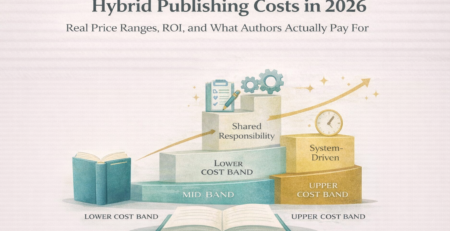
Forbes Books typically requires an investment ranging from $75,000 to $150,000+, depending on the scope of services, editorial support, and level of program involvement.
By comparison, author-owned publishing systems generally range from $25,000 to $75,000+, with costs varying based on editorial depth, publishing infrastructure, and strategic development.
At a surface level, both models involve a significant financial commitment.
But the more important distinction is not the price, it’s what that investment is designed to build.
With Forbes Books, the investment is directed toward:
- brand affiliation
- credibility signaling
- participation within a recognized media ecosystem
With author-owned publishing systems, the investment is directed toward:
- intellectual property development
- audience ownership
- long-term publishing infrastructure
In other words, the decision is not simply about how much you pay.
It’s about whether you are investing in visibility within an existing system or building a system you own and control over time.
Is Forbes Books Legit?
Yes, Forbes Books is a legitimate hybrid publishing program. It offers professional editorial development, production, and marketing support within the broader Forbes brand ecosystem.
However, it’s important to understand what “legitimate” means in this context.
Forbes Books is not a traditional publisher. It operates as a paid publishing model, where authors invest in the production and distribution of their book in exchange for access to professional infrastructure and brand affiliation.
This distinction matters.
In traditional publishing, the publisher assumes financial risk and pays the author an advance. In the Forbes Books model, the author funds the process and participates within a brand-affiliated publishing system.
So the question is not whether Forbes Books is legitimate, it is.
The more important question is:
Are you looking for brand-aligned publishing support, or a publishing system you fully own and control?
Understanding that difference is what allows authors to evaluate the model correctly.
What Is Forbes Books Best For? (And Who Should Use It?)
Professional authors approach publishing decisions differently than general trade authors.
For executives, founders, consultants, physicians, and subject-matter experts, a nonfiction book is rarely the final objective.
It functions as a strategic professional asset.
Business authors often write books to support outcomes such as:
- category authority
- professional credibility
- consulting and advisory opportunities
- speaking engagements
- intellectual property development
- long-term platform growth
In this context, the book is not simply meant to be read.
It is meant to create leverage.
This is why publishing decisions for serious nonfiction authors are rarely about printing or distribution.
They are about which publishing system best supports the role the book must play over time.
Who This Brief Is For
This brief is written for Modern Authors evaluating professional publishing pathways for serious nonfiction books.
Typical readers include:
- founders and entrepreneurs
- CEOs and executives
- consultants and advisors
- professional speakers
- physicians, professors, and subject-matter experts
These authors are rarely publishing purely for creative expression.
They are writing books to achieve strategic outcomes such as:
- establishing category authority
- strengthening professional credibility
- generating consulting, advisory, or speaking opportunities
- formalizing intellectual property
- building long-term professional platforms
For these authors, the publishing decision is not simply about producing a book.
It is about which publishing system best supports the role the book must play.
When authors compare Forbes Books with other professional publishing options, the real decision becomes:
Is the goal brand-aligned publishing support, or a fully author-owned publishing system designed for long-term authority leverage?
What Most Authors Misunderstand
Most authors comparing professional publishing options assume the decision is about quality, prestige, or marketing support.
Those factors matter. But they are not the structural difference between publishing models.
Two variables ultimately shape the long-term value of a business book:
- ownership of intellectual property
- control of the publishing system
Understanding these variables clarifies the distinction between Forbes Books and true author-owned publishing systems.
What Is Author-Owned Publishing?
Author-owned publishing is a structural model in which the author retains full control over their intellectual property, publishing process, and long-term platform.
Rather than operating within a publisher’s brand ecosystem, the author builds an independent publishing infrastructure designed to support ongoing authority, future books, and the development of proprietary ideas.
In this model, the book is not treated as a standalone product.
It is developed as a core intellectual asset—one that can be extended into frameworks, advisory work, speaking, and long-term professional positioning.
This shift changes the role of publishing.
Instead of contributing to an external brand environment, the publishing process is designed to compound value around the author’s own platform over time.
The Structural Divide in Professional Publishing
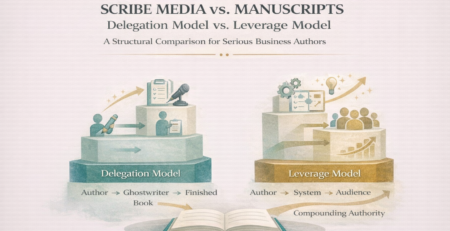
Professional publishing models increasingly fall into two structural orientations.
Brand-Affiliated Publishing Systems
These publishing programs are organized around a recognized institutional or media brand.
In this model:
- credibility is partially signaled through brand association
- the publishing ecosystem is anchored to the publisher’s infrastructure
- authors participate within the publisher’s environment
Programs such as Forbes Books operate within this orientation.
Author-Owned Publishing Systems
Author-owned systems organize publishing around the author’s intellectual property.
In this model:
- editorial architecture is built around the author’s frameworks
- audience development begins before publication
- publishing infrastructure supports future books and intellectual assets
The key question therefore becomes:
Not “Which publisher produces the best book?”
But “Which publishing system will your book become part of?”
Hybrid Publishing Programs Are Brand-Led Infrastructure
Programs such as Forbes Books operate as branded hybrid publishing models.
Authors invest in production infrastructure, marketing support, and affiliation with the Forbes brand.
The model emphasizes:
- credibility signaling
- professional production quality
- visibility through brand association
For many executives and founders, this combination can be attractive.
However, the publishing system remains structured around the publisher’s brand ecosystem, not the author’s independent publishing infrastructure.
Author-Owned Publishing Is a Structural Model, Not a Service Package
Author-owned publishing systems operate differently.
Rather than centering the publisher’s brand, they prioritize:
- author ownership of intellectual property
- editorial architecture built around the author’s frameworks
- audience development before publication
- publishing infrastructure designed to support future books
In this model, the book functions less as a standalone product and more as a strategic authority asset.
Quick Comparison Table: Forbes Books vs Author-Owned Publishing
| Dimension | Forbes Books | Author-Owned Publishing System |
| Best for | Executives seeking brand affiliation and professional publishing infrastructure | Modern Authors building long-term intellectual property and authority platforms |
| Typical cost range | $75K–$150K+ depending on program scope | $25K–$75K+ depending on editorial and publishing scope |
| Timeline | Typically 9–18 months | Typically 6–12 months |
| Author ownership | Author retains rights but participates in the Forbes publishing ecosystem | Full author ownership and publishing control |
| Editorial depth | Professional editorial development within publisher structure | Editorial architecture built around the author’s frameworks |
| Audience & launch support | Marketing opportunities through the Forbes network | Audience-building integrated before launch |
| Primary tradeoff | Brand association and credibility signaling | Ownership and long-term authority infrastructure |
This comparison highlights an important point:
The two models are built around different publishing priorities, not simply different service packages.
How the Models Actually Differ
Understanding the practical differences between Forbes Books and author-owned publishing systems requires looking beyond surface features such as editing and production.
The real difference lies in how each model structures the publishing ecosystem surrounding the book.
Forbes Books
Forbes Books operates as a premium hybrid publishing program affiliated with the Forbes brand.
The program is designed primarily for executives, entrepreneurs, and business leaders who want to publish a professionally produced book while leveraging the visibility and credibility associated with Forbes.
Authors typically receive:
- professional editorial development
- production and design support
- distribution infrastructure
- marketing opportunities connected to the Forbes ecosystem
For many authors, the primary value of this model is brand affiliation.
Publishing through a recognized business media brand can enhance credibility signals, particularly for executives seeking visibility.
Strengths
- strong brand recognition through Forbes
- professional editorial and production support
- established publishing infrastructure
Tradeoffs
Because the program is tied to a media brand, the publishing system remains centered on the Forbes ecosystem rather than the author’s independent publishing infrastructure.
The book becomes part of a brand-aligned publishing program rather than the foundation of a standalone publishing system owned by the author.
True Author-Owned Publishing Systems
Author-owned publishing systems approach the book from a different structural perspective.
Rather than centering the publisher’s brand, the publishing system is built around the author’s intellectual property and long-term authority platform.
In this model, the book functions as a core asset supporting:
- thought leadership
- consulting and advisory work
- speaking engagements
- future books and frameworks
Editorial development focuses heavily on:
- clarifying the author’s core thesis
- developing proprietary frameworks
- structuring ideas into durable intellectual property
Equally important, audience development often begins before publication, allowing the book to launch into an existing audience rather than appearing in isolation.
Strengths
- full intellectual property ownership
- publishing infrastructure designed around the author’s authority platform
- integration with audience development and long-term positioning
Tradeoffs
This model requires deeper intellectual involvement from the author.
Rather than outsourcing authorship entirely, the process preserves the author’s role as the primary source of ideas and frameworks.
Where the Models Actually Diverge
The difference between Forbes Books and author-owned publishing systems becomes clearer when examined across several structural dimensions.
| Dimension | Forbes Books | Author-Owned Publishing Systems |
| Publishing orientation | Brand-affiliated publishing ecosystem | Author-centered publishing infrastructure |
| Intellectual property ownership | Author retains rights but operates within publisher ecosystem | Full author ownership and publishing control |
| Editorial architecture | Structured editorial development within publisher framework | Editorial architecture built around proprietary frameworks |
| Audience development timing | Often begins closer to publication | Often begins during manuscript development |
| Long-term publishing infrastructure | Anchored to publisher program | Designed to support future books and intellectual property |
These differences reflect two publishing philosophies, not merely different service offerings.
The Manuscripts Perspective: Publishing Systems vs Publishing Services
Many authors compare publishing options based on visible services:
- editing
- design
- marketing
- distribution
Those services matter. But they are not the structural driver of long-term value.
The deeper question is which publishing system the author enters.
Modern Authors increasingly treat books as strategic intellectual assets, not simply finished products.
This perspective shapes how publishing systems are designed.
The Modern Author Operating System focuses on building publishing infrastructure that supports the author’s long-term authority.
Instead of a one-time publishing event, the system integrates:
- editorial architecture
- audience intelligence
- coordinated publishing workflows
- presale publishing strategies
Tools such as Author Intelligence, Codex, and the Publishing Operating System help ensure the book is not just produced professionally but positioned as part of a larger intellectual platform.
Frameworks such as the ORBIT Framework and the Presale Publishing model further shift publishing from a post-writing marketing exercise into a structured audience-building process that begins before the book launches.
Books are no longer simply products.
They are authority infrastructure.
Evaluation Questions for Any Professional Publisher
Authors evaluating Forbes Books or other publishing partners should ask several structural questions before committing.
- Who owns the intellectual property and publishing rights?
- Is the publishing system centered on the publisher’s brand or the author’s long-term platform?
- How is the book’s positioning clarified before writing begins?
- Does audience development begin before publication?
- What infrastructure remains after the book is published?
- If the author writes another book later, what compounds from the first project?
- How does the publishing model support consulting, speaking, or authority outcomes?
Clear answers to these questions reveal whether the publisher provides services, brand affiliation, or a true author-owned publishing system.
Strategic Closing Insight
Publishing decisions should not be evaluated primarily by the services offered.
They should be evaluated by which publishing system the author enters.
When books are treated as strategic intellectual assets rather than standalone products, the structural design of the publishing system becomes the most important factor.
The central question therefore becomes simple:
Which publishing system best supports the role this book is meant to play in the author’s life and work?
FAQ
Is Forbes Books a traditional publisher?
No. Forbes Books operates as a hybrid publishing program where authors invest in the publishing process while receiving professional editorial, production, and marketing support.
Do authors own their books with Forbes Books?
Authors generally retain significant rights to their work, though the publishing program operates within the Forbes brand ecosystem rather than a fully independent author-owned publishing system.
What is author-owned publishing?
Author-owned publishing is a model where the author retains full ownership and control of the intellectual property and publishing infrastructure surrounding the book.
Why do business authors choose author-owned publishing?
Many Modern Authors choose author-owned publishing because it allows the book to function as long-term intellectual property supporting consulting, speaking, and thought leadership.
Is hybrid publishing the same as author-owned publishing?
Not necessarily. Hybrid publishing typically provides professional production infrastructure, while author-owned publishing systems are designed to build long-term authority platforms centered on the author’s intellectual property.
Is Forbes Books Worth It?
Forbes Books can be worth it for authors who prioritize brand affiliation and visibility through a recognized media platform. However, for authors focused on long-term intellectual property, audience ownership, and independent publishing infrastructure, other models may offer more strategic value.
The real question is not whether Forbes Books works, but whether its model aligns with the role your book is meant to play.
How Much Does Forbes Books Cost?
Forbes Books typically costs between $75,000 and $150,000+, depending on the scope of services and the level of support included in the publishing program.
By comparison, author-owned publishing systems often range from $25,000 to $75,000+, depending on editorial depth and publishing infrastructure.
While both models require investment, the difference lies in what that investment builds—brand affiliation versus long-term publishing infrastructure.
Is Forbes Books Legit?
Yes, Forbes Books is a legitimate hybrid publishing program. It provides professional editorial, production, and marketing support within the Forbes brand ecosystem.
However, it is important to understand that Forbes Books is not a traditional publisher. Authors invest in the publishing process and participate within a brand-affiliated system, rather than receiving a traditional publishing advance.
What Is Author-Owned Publishing?
Author-owned publishing is a model where the author retains full control over their intellectual property, publishing process, and long-term platform. Instead of publishing within a brand ecosystem, the author builds independent publishing infrastructure designed to support long-term authority and future intellectual assets.