The Pyramid Principle

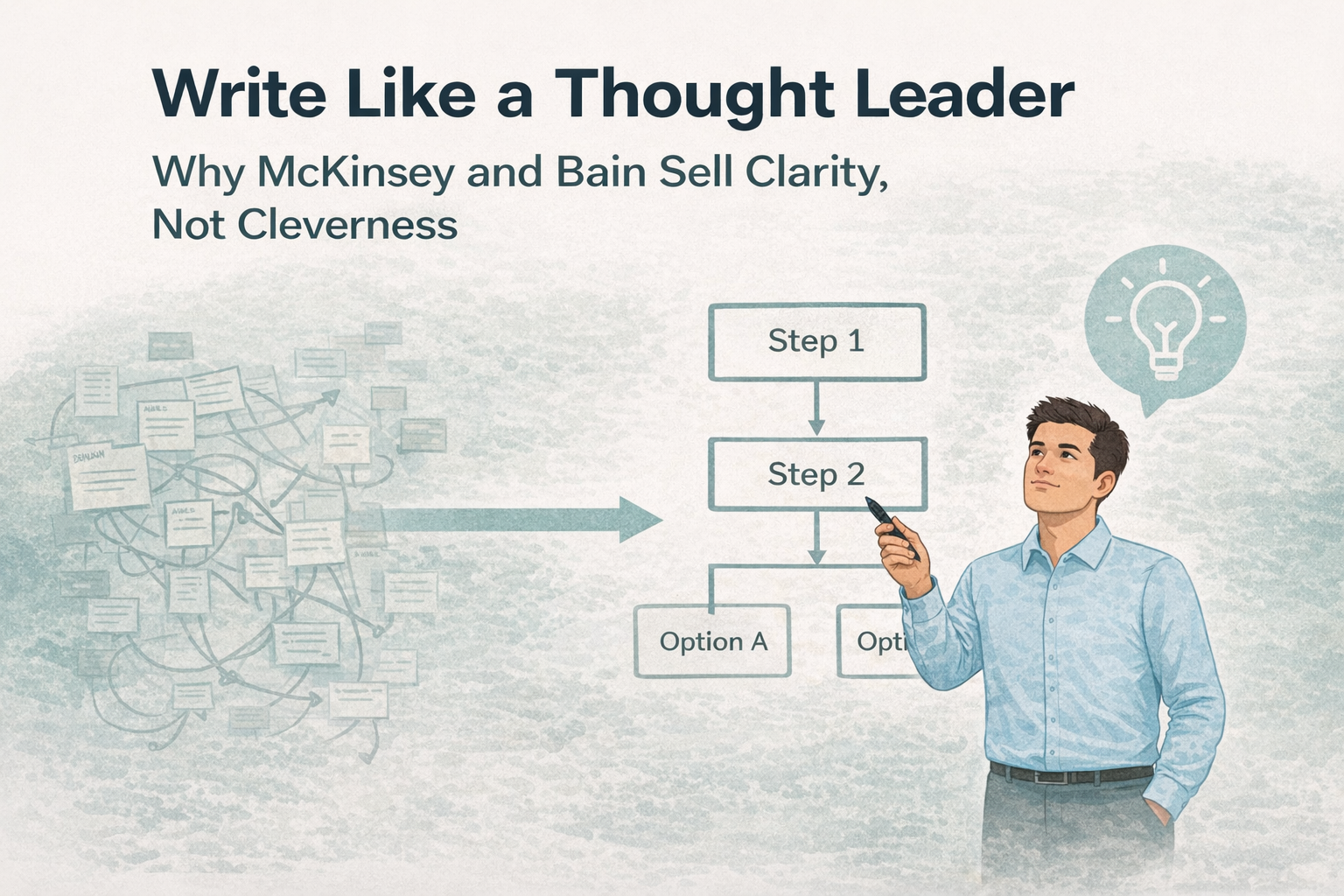
Write Like a Thought Leader: Why McKinsey and Bain Sell Clarity, Not Cleverness

Most people think McKinsey and Bain charge premium fees because they’re smarter than everyone else.

They don’t.

They charge more because they make thinking easier.

That distinction explains more about their influence than intelligence ever could. And it points to a core lesson for anyone trying to write or teach like a thought leader.

People don’t pay for complexity.

They pay for conclusions that remove it. Today's we're going to examine the writing principle that transformed McKinsey into the powerhouse it is today:

The Pyramid Principle.


The McKinsey Pattern: Decide First, Explain Second

Elite consulting firms don’t begin with analysis.

They begin with an answer.

A clear point of view, stated early, often before the reasoning is fully visible. The analysis exists to support the conclusion, not discover it in public.

This is the opposite of how most smart professionals are trained to communicate.

Many people lead with context, nuance, and exploration. McKinsey leads with judgment.

That sequencing difference is the product.

It was codified as the Pyramid Principle, created in the 1970s by Barbara Minto, the first female post-MBA consultant hired by McKinsey & Company


Why 'Sounding Smart' Backfires

Complexity feels impressive to peers. It feels expensive to everyone else.

When ideas arrive wrapped in jargon, caveats, and long setup, readers experience friction. They don’t think, “This person is deep.” They think, “This is work.”

Cognitive effort registers as cost.

That’s why “sounding smart” often erodes trust. If someone can’t explain the problem cleanly, it raises a quiet question:

Can they actually solve it?

Clarity feels decisive. Cleverness feels evasive.


What Clients Actually Buy: Cognitive Relief

McKinsey clients aren’t outsourcing intelligence.

They’re outsourcing mental load.

The real product looks like this:

  • Fewer variables to track
  • Clear priorities
  • A simple organizing frame
  • An obvious next step

This is cognitive relief. And it’s rare.

When someone replaces confusion with structure, they don’t just inform. They calm. That calm is what creates pricing power.


How Elite Consultants Structure Clarity: The Pyramid Principle

There’s a repeatable pattern underneath this effect.

It usually looks like this:

1) Lead with the conclusion

State the answer plainly. No buildup.

The reader should know what you believe immediately.

Why it works:

It signals judgment. And judgment is what people hire.


2) Impose a simple structure

Break the situation into a small number of clean parts.

Three beats four. Four beats seven.

Why it works:

Structure makes complexity feel manageable.


3) Explain only what earns explanation

Every point exists to justify the conclusion. Anything else is removed.

Why it works:

Restraint creates confidence. Exhaustiveness creates doubt.

This is why elite consultants feel sharp. Not because they know more, but because they choose more carefully.


The Pyramid Principle: Why McKinsey Starts at the Top

McKinsey’s clarity isn’t accidental. It’s engineered.

At the core of their communication is a simple rule often called the Pyramid Principle:

Start with the answer.

Support it with grouped reasons.

Explain details only if needed.

Everything flows top-down.

The conclusion sits at the top of the pyramid. Beneath it are a small number of supporting ideas. Beneath those are facts, analysis, and data.

Most people invert this.

They start at the bottom, walk the reader through everything they learned, and hope a conclusion emerges by the end.

McKinsey does the opposite. They decide first, then justify.

Why this works:

  • Executives don’t have time to discover the point
  • Decisions require clarity, not exploration
  • Confidence comes from structure, not volume

The pyramid approach removes uncertainty for the reader. They always know where they are and why they’re being told something.

That’s why McKinsey decks feel decisive even when the problems are complex.

The structure does the thinking for the audience.

A Simple Pyramid Template You Can Copy

Use this when drafting a chapter, article, memo, or presentation.

Start at the top. Everything else earns its way in.

Conclusion (Top of the pyramid)

“Here’s the answer I believe is correct.”

If you can’t state this in one sentence, stop. You’re not ready to explain yet.

Key Reasons (Middle layer)

“These are the 2–4 reasons this conclusion holds.”

Each reason should be distinct, parallel, and easy to scan.

Supporting Evidence (Base layer)

“Here’s the data, example, or logic that supports each reason.”

Only include evidence that strengthens the conclusion. If it doesn’t, cut it.

Implication (Optional, but powerful)

“Here’s what this means for what we should do next.”

This is where clarity turns into action.

The rule is simple:

The reader should never have to guess what you’re trying to say.

This is how McKinsey writes.

This is how clarity compounds.

And this is how thought leadership becomes usable instead of impressive.

Why Most Smart Writers Avoid This

The method is visible. The resistance is internal.

Leading with a conclusion feels risky.

People worry about:

  • Being wrong in public
  • Oversimplifying
  • Losing credibility with peers
    So they hedge. They delay the point. They hide behind process.

Complexity becomes protection.

McKinsey makes a different trade. They accept exposure in exchange for usefulness. That’s why their thinking travels from boardrooms into action.


What This Means for Writing Like a Thought Leader

Writing like a thought leader starts before the writing.

You decide what you believe.

Then you earn the right to explain why.

That means:

  • State the conclusion early
  • Use structure to reduce load
  • Treat explanation as support, not performance

Thought leadership isn’t showing how much you know.

It’s taking responsibility for clarity.

That’s what McKinsey and Bain sell.

And that’s the standard your writing has to meet if you want to be read, trusted, and remembered.

→ Schedule Your Free Strategy Call


About the Author

Eric Koester is an award-winning entrepreneurship professor at Georgetown University, bestselling author, and founder of Manuscripts, the Modern Author OS used by more than 3,000 authors. His work has helped creators turn ideas into books, books into brands, and brands into scalable businesses.

About Manuscripts

Manuscripts is the leading full-service publishing partner for modern nonfiction authors. We help founders, executives, coaches, and experts turn their books into growth engines, through positioning, coaching, developmental editing, design, AI-enhanced writing tools, and strategic launch systems. Manuscripts authors have sold thousands of books, booked paid speaking gigs, landed media features, and generated millions in business from their IP.

Work With Us

If you’re writing a book you want to matter, let’s map out your Modern Author Plan.

 Schedule a Modern Author Strategy Session → https://write.manuscripts.com/maa-web

 Explore Manuscripts Publishing Services → https://manuscripts.com/publish-with-us/

 See Modern Author Success Stories → https://manuscripts.com/authors/

Modern Author Resources

  • How to Write a Book if You’re Busy
  • Modern Ghostwriting for Nonfiction Authors
  • AI Tools for Authors in 2026
  • How to Build an Audience Before You Write Your Book
  • The Evergreen Launch System for Modern Authors
Powered by Codex: The Modern Author Author Intelligence Tool

Read more...
Write Like a Thought Leader: How Adam Grant Makes Research Go Viral

Write Like a Thought Leader: How Adam Grant Makes Research Go Viral

Most people think ideas spread because they’re well-researched.

They don’t.

They spread because the takeaway is clear.

Adam Grant understood this early. Long before he became the most cited organizational psychologist on the planet, before the TED talks and bestseller streak, his ideas traveled because people could immediately tell what he believed.

Not what he studied.

Not how careful he was.

What the point was.

That’s the lesson most smart writers miss.

People don’t share your research.

They share your conclusion.


The Adam Grant Pattern: Decide First, Prove Second

Adam Grant doesn’t start by walking readers through a study.

He:

  • states a surprising takeaway upfront
  • frames it in everyday language
  • uses research selectively to make it stick

This creates a powerful dynamic:

readers know why it matters immediately

the idea feels usable, not academic

sharing becomes easy

The key insight isn’t simplification. It’s sequencing.

Grant doesn’t dilute rigor.

He reorders it.


The Principle: Authority Comes From Judgment, Not Data

Here’s the core thought leadership principle behind Grant’s work:

People trust conclusions that feel earned, not arguments that feel endless.

Grant doesn’t ask the reader to wade through evidence to find the meaning.

He delivers the meaning first.

Then he shows his work.

That posture signals confidence. Not arrogance, judgment.

And judgment is what people follow.


Why Raw Research Doesn’t Travel

Most research-led writing dies outside expert circles for the same reason.

It leads with process instead of payoff.

Common symptoms:

  • long setup before the point
  • careful hedging that blurs relevance
  • evidence without interpretation

The reader is left thinking, “Interesting, but so what?”

Grant removes that friction.

He doesn’t make readers decode the insight. He hands it to them.


The Real Job: Turning Insight Into a Takeaway

Adam Grant isn’t just a researcher.

He’s a translator.

His real skill is converting abstract findings into conclusions people can recognize in their own lives and work.

He asks a different question than most experts:

“What should someone do differently after hearing this?”

That question forces clarity.

It turns knowledge into relevance.


The Adam Grant Virality Framework

There’s a repeatable structure underneath his most shared ideas.

It looks like this:

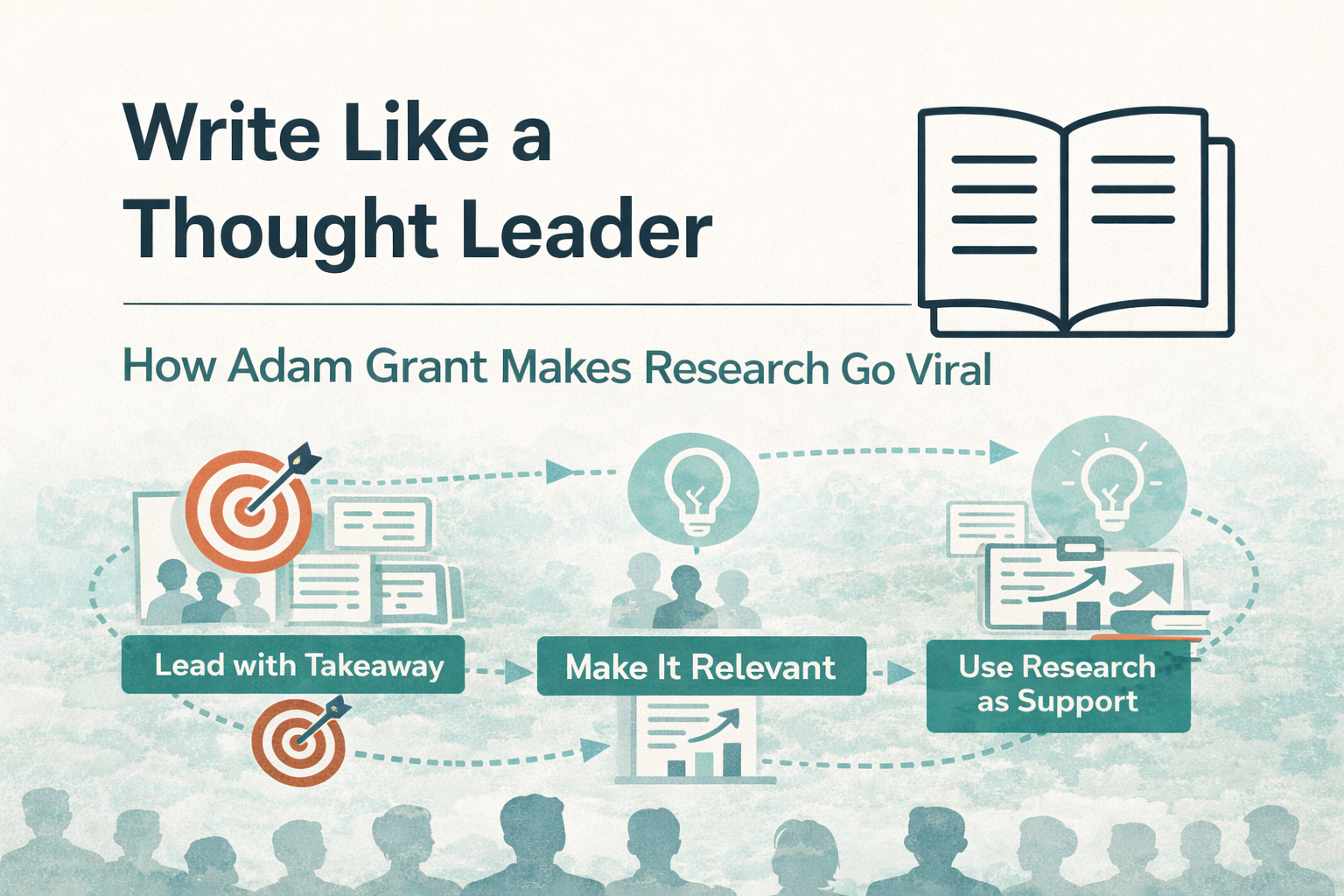
1) Lead with a counterintuitive conclusion

Start with a claim that challenges a default belief.

Example style:

“Originals don’t wait for permission. They act before they feel ready.”

No citations yet. Just the point.

Why it works:

The reader knows immediately whether this matters to them.


2) Anchor it in something familiar

Connect the takeaway to behavior people already recognize.

Work habits. Leadership mistakes. Career anxieties.

Why it works:

The idea feels personal before it feels intellectual.


3) Use research as reinforcement, not the headline

Introduce studies to support the conclusion, not replace it.

Grant is selective. He shows enough to earn trust, not so much that it overwhelms.

Why it works:

Evidence strengthens judgment instead of obscuring it.


Why Most Smart Writers Won’t Do This

The method is obvious. The resistance is emotional.

Leading with a conclusion feels risky.

Experts worry about:

  • oversimplifying
  • being challenged
  • looking less rigorous to peers

So they hedge. They bury the point. They lead with context.

Grant makes a different trade.

He accepts exposure in exchange for impact.

That choice is why his ideas leave academia and enter culture.


What It Means to Write Like a Thought Leader

Writing like a thought leader starts before the writing.

You decide what you believe.

Then you earn the right to explain why.

For authors and experts, that means:

  • state the takeaway early
  • make relevance explicit
  • use research to support judgment, not avoid it

Thought leadership isn’t showing how much you know.

It’s taking responsibility for meaning.

Adam Grant’s work spreads because he does that work for the reader.

That’s the lesson.

And that’s the standard.

A Simple Template You Can Copy

Use this when drafting a chapter, article, or post based on research or expertise:

Takeaway: “Here’s the conclusion I believe is true.”

Relevance: “Here’s why this matters in real life or work.”

Evidence: “Here’s the research or experience that supports it.”

Principle: “Here’s the general rule that keeps showing up.”

Application: “Here’s how you can use this idea.”

This is interpretation made visible.

It’s how insight becomes shareable instead of academic.


Quick FAQ

Why don’t my research-based ideas spread?

Because readers can’t immediately tell what the point is. Clarity precedes credibility.

What does Adam Grant do differently?

He leads with a conclusion, frames it in familiar terms, and uses research to support judgment, not replace it.

Is this the same as simplifying or dumbing things down?

No. It’s prioritizing meaning over method. The rigor stays. The sequencing changes.


The Bottom Line

People don’t share studies.

They share takeaways that help them think or act differently.

Adam Grant doesn’t start by proving he’s right.

He starts by deciding what the research means.

If you want to write like a thought leader, start there.

→ Schedule Your Free Strategy Call


About the Author

Eric Koester is an award-winning entrepreneurship professor at Georgetown University, bestselling author, and founder of Manuscripts, the Modern Author OS used by more than 3,000 authors. His work has helped creators turn ideas into books, books into brands, and brands into scalable businesses.

About Manuscripts

Manuscripts is the leading full-service publishing partner for modern nonfiction authors. We help founders, executives, coaches, and experts turn their books into growth engines, through positioning, coaching, developmental editing, design, AI-enhanced writing tools, and strategic launch systems. Manuscripts authors have sold thousands of books, booked paid speaking gigs, landed media features, and generated millions in business from their IP.

Work With Us

If you’re writing a book you want to matter, let’s map out your Modern Author Plan.

👉 Schedule a Modern Author Strategy Session → https://write.manuscripts.com/maa-web

👉 Explore Manuscripts Publishing Services → https://manuscripts.com/publish-with-us/

👉 See Modern Author Success Stories → https://manuscripts.com/authors/

Modern Author Resources

  • How to Write a Book if You’re Busy
  • Modern Ghostwriting for Nonfiction Authors
  • AI Tools for Authors in 2026
  • How to Build an Audience Before You Write Your Book
  • The Evergreen Launch System for Modern Authors
Powered by Codex: The Modern Author Author Intelligence Tool

Read more...

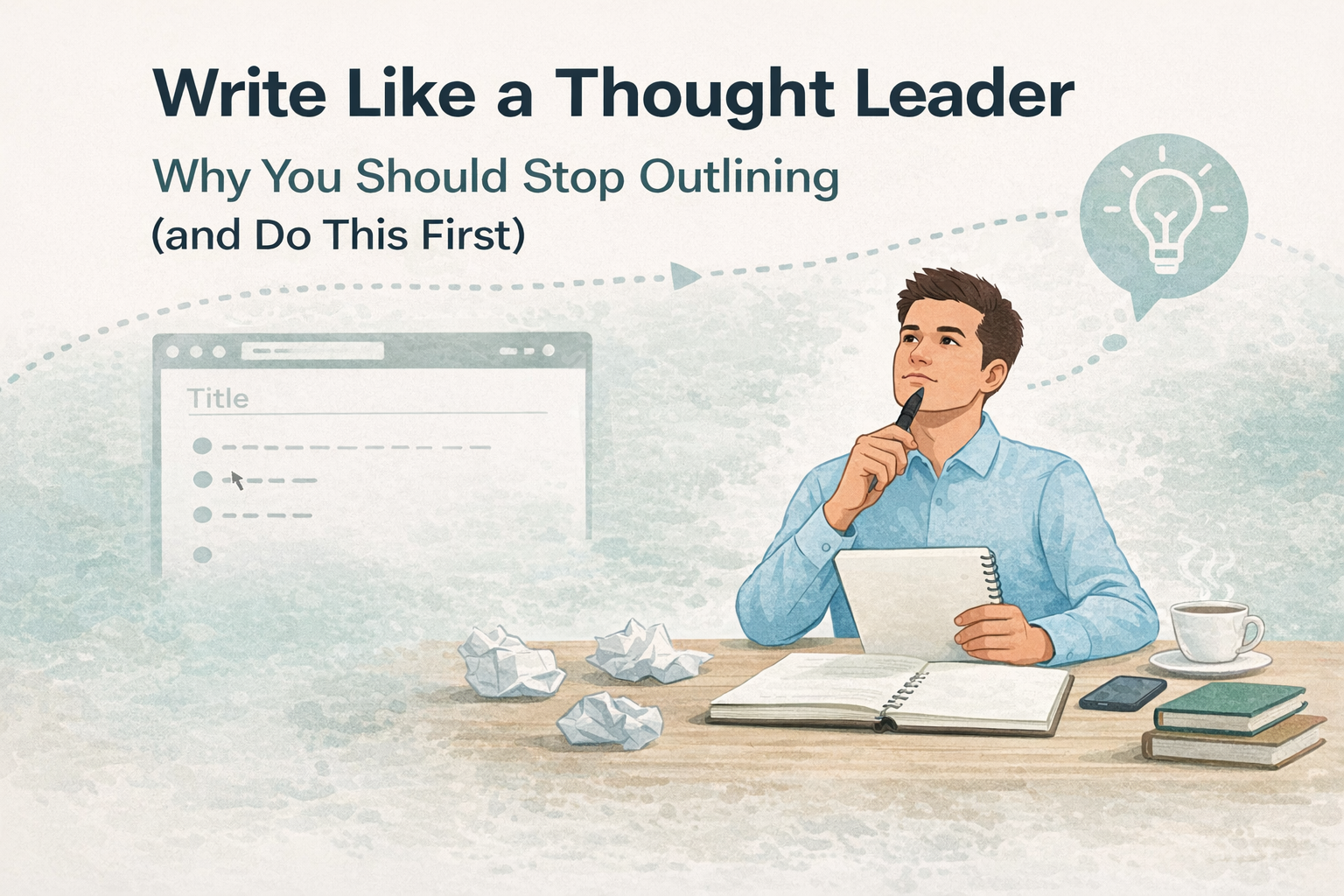
Write Like a Thought Leader: Why You Should Stop Outlining (and Do This First)

Most authors start every book the same way:

Open a document.

Write an outline.

Stare at it.

Then stall.

Outlining feels like progress — it’s structured, linear, and feels productive. But for thought leadership books, it’s often the wrong first step.

The most compelling chapters aren’t born from outlines.

They’re born from clarity of idea, not structure.

This post overturns the traditional “outline first” instruction and gives you a repeatable discovery framework that leads to stronger thinking and smoother writing. It’s about thinking on the page before you map the page.

We call this creating your "Author Brain," and what we discovered in when authors do this first, 90% of them go on to finish their book... on time.

Here's how you can do the same.


Who this is for

This is for you if you’ve ever:

  • stared at your table of contents like it’s a blank page
  • rewritten your outline more than your manuscript
  • felt unsure what your chapter is actually about
  • structured before you understood

The reason isn’t lack of skill. It’s lack of clarity before structure.


The Modern Author lesson

Clarity comes before structure.

Don’t outline what you think you want to say.

Write to discover what you actually need to say.

Outlining is a tool for people who already know what they mean.

Most authors don’t start there — they start with ideas that are hazy, half-formed, or contradictory.

So the first job isn’t outlining.

It’s thinking on the page — exploring your idea until it starts to reveal a natural shape.


The Problem with Outlining First

Outlines assume clarity that often doesn’t exist.

When you start with a table of contents, you’re implicitly saying:

  • “I already know the structure”
  • “I already know the key ideas”
  • “I can organize before thinking”

That rarely matches reality.

Outlining first usually leads to:

  • chapters that feel flat
  • ideas that looked good in headings but collapse in prose
  • endless re-outlining instead of writing

The real bottleneck isn’t lack of structure.

It’s lack of discovered thinking.


The Discovery-First Framework

This alternative sequence has one purpose:

Let your thinking create the structure, not the other way around.

Here’s how the strongest thought leaders actually work:

Step 1) Start with a claim — not an outline

Write one tentative sentence that you believe might be true.

Examples:

  • “The biggest mistake thought leaders make is outlining too soon.”
  • “Clarity comes from writing, not planning.”
  • “Ideas reveal themselves before structure ever does.”

This sentence isn’t your thesis. It’s your entry point.

Why this works:

A claim creates motion. An outline creates a cage.


Step 2) Write to explore the idea

Write 500–800 words with one rule:

Do not edit. Do not outline. Do not shape.

Your job is to:

  • describe what you think
  • test the idea against examples
  • explore contradictions
  • find where you keep returning

This phase is messy. That’s the point.

Why this works:

Structure hides uncertainty. Writing reveals it.


Step 3) Circle the energy

After the messy draft, highlight:

  • sentences that feel alive
  • moments where insight appeared
  • repetition of key patterns
  • parts that got easier to write

Ignore transitions, order, and logic for now.

You’re looking for signal, not polish.

Why this matters:

Energy precedes structure. The shape comes from what resonates.


Step 4) Extract your real structure

Now, and only now, outline.

But this outline isn’t hypothetical.

It’s based on what you already wrote.

Your chapters will naturally reveal:

  • a core tension
  • repeated themes
  • supporting ideas
  • a clear takeaway

Turn those into your table of contents.

Why this works:

You’re structuring discovered thinking, not guesswork.


Step 5) Rewrite with intent

Now rewrite cleanly.

Use:

  • sharper opening sentences
  • clearer throughlines
  • fewer but better developed ideas
  • a concrete takeaway at the end

This is where craftsmanship matters.

Why this works:

Structure amplifies clarity instead of attempting to force it.


How This Shows Up in Manuscripts Projects

Authors trapped in outline paralysis almost always have the same symptom:

They’re organizing ideas they haven’t yet formed.

In the Manuscripts workflow, we often see these patterns:

  • chapter headings get rewritten five times
  • opening paragraphs never arrive
  • writers switch chapters instead of finish them
  • drafts linger in half-thought limbo

When authors flip the sequence — discovery first, structure second — progress accelerates dramatically:

  • ideas become sharper faster
  • writing feels easier
  • chapters actually get finished

This is the difference between thinking about your book and thinking in your book.

For may authors, we recommend they leverage our Codex tool, which lets them upload blog posts, articles, their LinkedIn bio, papers, transcripts, etc., then use that to begin to organize.

We call this creating your "Author Brain," and its a powerful way to discover (with help), before you start writing.


Evidence It Works

Pattern Evidence

Across hundreds of nonfiction authors, the most successful chapters start as messy drafts, not polished outlines.

Writing Cortex Evidence

Writers produce clearer prose when they discover ideas in motion rather than impose structure first.

Outcome Evidence

Authors who follow discovery first:

  • draft faster
  • revise with confidence
  • finish more consistently

The structure becomes the echo of the idea — not its source.


When Outlining Still Works First

Outlining first works best when:

  • the argument is already fully formed
  • the ideas are stable and practiced
  • the author can say the chapters out loud before writing

This happens often in technical or procedural writing.

It’s rare in idea-driven, thought leadership books.


Common Mistakes (and How to Fix Them)

Mistake: Writing the outline because it “feels productive.”

Fix: Write one messy draft to test the idea’s real shape.

Mistake: Editing while discovering.

Fix: Separate discovery (writing) from refinement (editing).

Mistake: Keeping everything you wrote.

Fix: Cut ruthlessly once clarity appears.


A Simple Template You Can Copy

  1. Claim: “I think this might be true…”
  2. Discovery Draft: 500–800 words, no editing
  3. Circle Energy: Highlight the parts that sing
  4. Extract Structure: Build an outline from resonance
  5. Rewrite: Clarity first, structure second

This is writing as thinking, not planning as thinking.


Quick FAQ

Should I outline before writing a book chapter?

Not usually. Start by exploring your idea in prose first, then create an outline from what actually worked.

Why does outlining first feel easier?

Because it feels organized. But that organization is often fictional — it hasn’t been tested by real writing yet.

How many words should my discovery draft be?

Aim for 500–800 words per idea cluster. More than that and you lose momentum. Less than that and you don’t explore deeply enough.


The Bottom Line

Outlines don’t create clarity.

Clarity creates outlines.

If you want thought leadership that thinks clearly on the page, you can’t start with structure. You have to write to discover — then let the structure emerge from what you’ve found.

Outlining is not obsolete.

It’s just premature when used as a first step.

→ Schedule Your Free Strategy Call


About the Author

Eric Koester is an award-winning entrepreneurship professor at Georgetown University, bestselling author, and founder of Manuscripts, the Modern Author OS used by more than 3,000 authors. His work has helped creators turn ideas into books, books into brands, and brands into scalable businesses.

About Manuscripts

Manuscripts is the leading full-service publishing partner for modern nonfiction authors. We help founders, executives, coaches, and experts turn their books into growth engines, through positioning, coaching, developmental editing, design, AI-enhanced writing tools, and strategic launch systems. Manuscripts authors have sold thousands of books, booked paid speaking gigs, landed media features, and generated millions in business from their IP.

Work With Us

If you’re writing a book you want to matter, let’s map out your Modern Author Plan.

👉 Schedule a Modern Author Strategy Session → https://write.manuscripts.com/maa-web

👉 Explore Manuscripts Publishing Services → https://manuscripts.com/publish-with-us/

👉 See Modern Author Success Stories → https://manuscripts.com/authors/

Modern Author Resources

  • How to Write a Book if You’re Busy
  • Modern Ghostwriting for Nonfiction Authors
  • AI Tools for Authors in 2026
  • How to Build an Audience Before You Write Your Book
  • The Evergreen Launch System for Modern Authors
Powered by Codex: The Modern Author Author Intelligence Tool

Read more...

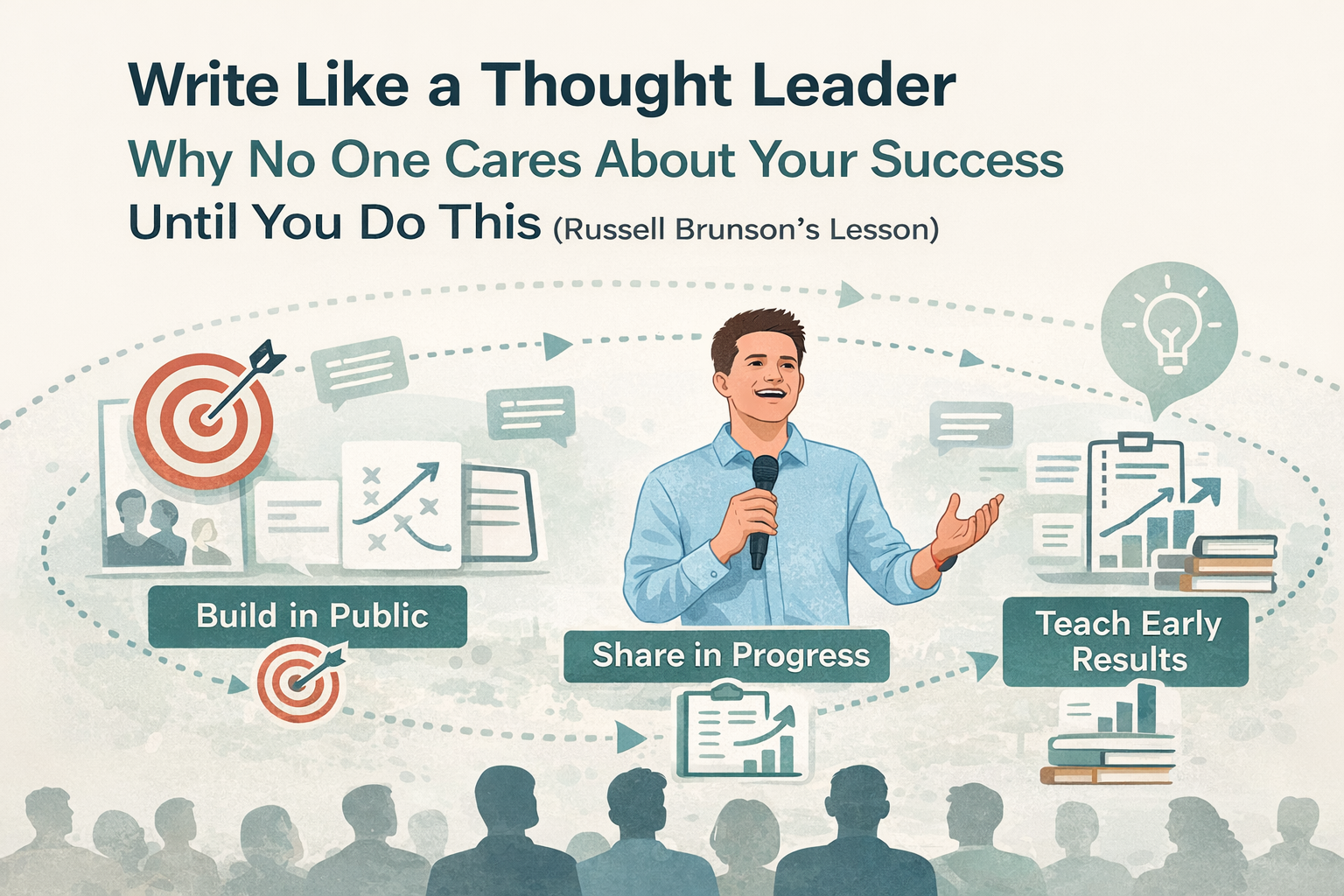
Write Like a Thought Leader: Why No One Cares About Your Success Until You Do This (Russell Brunson’s Lesson)

Most people think audiences care about credentials.

They don’t.

They care about movement.

Russell Brunson understood this early. Long before ClickFunnels was a category, before the massive stages and seven-figure launches, he talked openly about what he was building, what was working, and what wasn’t, while it was still in motion.

That’s the lesson most aspiring thought leaders miss.

People don’t care about your success after it happens.

They care when they can see it unfolding.


The Russell Brunson Pattern: Build in Public, Teach in Public

Russell Brunson doesn’t wait until something is “done” to talk about it.

He:

  • shares frameworks as he’s using them
  • teaches concepts while they’re being tested
  • explains outcomes before they’re polished into case studies

This creates a powerful dynamic:

  • audiences feel early
  • trust builds faster
  • momentum compounds

The key insight isn’t marketing bravado. It’s psychology.

People don’t attach to finished success.

They attach to visible commitment.


The Principle: People Care When You Take Yourself Seriously

Here’s the core thought leadership principle behind this post:

People don’t validate your success. They respond to your conviction.

Russell didn’t wait for the world to crown him credible.

He acted like the work mattered before anyone else did.

That posture, repeated publicly, creates gravity.


Why This Matters for Authors

Most nonfiction authors do the opposite.

They:

  • hide until the book is “good enough”
  • wait for permission to teach
  • assume attention comes after achievement

But attention is built before the book is finished.

Russell’s style proves a counterintuitive truth:

Teaching is how you earn the right to be followed.


The “Conviction-First” Writing Framework

This is how to apply the Russell Brunson lesson directly to your book and content.

1) Lead with belief, not validation

Start chapters and posts by stating what you believe now, not what you’ve proven forever.

Example:

“Most funnels fail because people overbuild before they understand demand.”

That sentence doesn’t require universal proof. It requires ownership.

Why it works:

Belief signals leadership. Hedging signals insecurity.


2) Teach from the middle, not the finish line

Russell teaches while building, not after the case study is complete.

As an author, that means:

  • write from the testing phase
  • share partial results
  • explain what you’re trying and why

This doesn’t weaken authority. It humanizes it.

Why it works:

Readers trust people who are in the arena, not just reporting from it.


3) Show progress, not perfection

You don’t need a massive win to earn attention.

You need:

  • a direction
  • momentum
  • consistency

Russell constantly shows:

  • iterations
  • refinements
  • new versions of old ideas

Why it works:

Progress feels real. Perfection feels distant.


4) Name the pattern you’re discovering

The shift from “story” to “thought leadership” happens here.

After sharing what you’re doing, extract the insight:

  • What’s working?
  • What keeps repeating?
  • What surprised you?

This turns activity into teaching.

Example:

“Every time we simplified the message, conversion improved. Complexity was the enemy.”

Now it’s not just a story. It’s a principle.


5) Invite the reader to act alongside you

Russell’s work often feels collaborative, not declarative.

End sections with:

  • “Try this”
  • “Test this”
  • “Watch what happens when you…”

This frames the reader as a participant, not a spectator.


How This Shows Up in Manuscripts Projects

The authors who gain traction fastest don’t wait to feel “successful.”

They:

  • put "Working Title (Coming 2026" in their LinkedIn bio before they've finished their first draft
  • publish while learning
  • teach before the book is finished
  • share frameworks as living tools

Their books feel alive because they were shaped in public.

This mirrors the Russell Brunson model exactly.


Evidence That This Works

1) Pattern Evidence

Audiences consistently engage more with in-progress insights than polished retrospectives.

2) Social Evidence

Readers frequently say:

“I feel like I’m learning alongside you.”

That’s not accidental. That’s design.

3) Outcome Evidence

Authors who teach early:

  • build audiences faster
  • get better feedback
  • write stronger books because ideas are pressure-tested

Common Mistakes (and Fixes)

Mistake: Waiting to be “successful enough”

Fix: Act like the work matters now

Mistake: Over-explaining credentials

Fix: Demonstrate belief through consistent action

Mistake: Hiding drafts and ideas

Fix: Share thinking before it’s perfect


A Simple Template You Can Copy

Use this when drafting a chapter or post:

  1. Belief: “Here’s what I think is true right now.”
  2. Action: “Here’s what I’m doing to test it.”
  3. Observation: “Here’s what I’m seeing so far.”
  4. Pattern: “Here’s the principle emerging.”
  5. Invitation: “Here’s how you can try this.”

This is conviction made visible.


Quick FAQ

Why don’t people care about my success yet?

Because they can’t see your commitment in motion. Visibility precedes validation.

What did Russell Brunson do differently?

He taught while building, shared frameworks early, and acted like the work mattered before it was widely successful.

Is this the same as “building in public”?

Related, but more intentional. This is teaching in public, not just sharing updates.


The Bottom Line

People don’t rally behind finished success.

They rally behind belief, motion, and leadership.

Russell Brunson didn’t wait to be impressive.

He showed up convinced.

If you want to write like a thought leader, start there.

→ Schedule Your Free Strategy Call


About the Author

Eric Koester is an award-winning entrepreneurship professor at Georgetown University, bestselling author, and founder of Manuscripts, the Modern Author OS used by more than 3,000 authors. His work has helped creators turn ideas into books, books into brands, and brands into scalable businesses.

About Manuscripts

Manuscripts is the leading full-service publishing partner for modern nonfiction authors. We help founders, executives, coaches, and experts turn their books into growth engines, through positioning, coaching, developmental editing, design, AI-enhanced writing tools, and strategic launch systems. Manuscripts authors have sold thousands of books, booked paid speaking gigs, landed media features, and generated millions in business from their IP.

Work With Us

If you’re writing a book you want to matter, let’s map out your Modern Author Plan.

👉 Schedule a Modern Author Strategy Session → https://write.manuscripts.com/maa-web

👉 Explore Manuscripts Publishing Services → https://manuscripts.com/publish-with-us/

👉 See Modern Author Success Stories → https://manuscripts.com/authors/

Modern Author Resources

  • How to Write a Book if You’re Busy
  • Modern Ghostwriting for Nonfiction Authors
  • AI Tools for Authors in 2026
  • How to Build an Audience Before You Write Your Book
  • The Evergreen Launch System for Modern Authors
Powered by Codex: The Modern Author Author Intelligence Tool

Read more...

Write Like a Thought Leader: Mel Robbins’ Positive Vulnerability Framework for Nonfiction Chapters

Many authors treat vulnerability like an emotional add-on. Mel Robbins treats it like a principled method to help readers actually change.

Robbins’ work isn’t about unfiltered confession. It’s about structured emotional clarity that leads to insight and action. That combination is what turns readers into advocates.

Below is a practical framework you can use to write chapters that feel real and authoritative, not raw and messy, while keeping search intent clear for nonfiction writers looking for chapter structure guidance.


What the Positive Vulnerability Framework Is (and Why It Works)

Positive vulnerability is the practice of combining personal experience with repeatable insight so the reader both feels understood and knows what to do next.

Here’s what makes it effective in thought leadership books:

  • Recognition before instruction — starts with shared experience
  • Pattern insight instead of autobiography — every story points to a principle
  • Actionable takeaway — readers leave with a tool, not just empathy

Unlike generic vulnerability (which can just be emotional), this version is structured so it builds authority while building connection.


The 5-Part Positive Vulnerability Chapter Framework

This mirrors how Mel Robbins writes with impact, emotional honesty + practical payoff, and it’s designed for nonfiction authors to replicate.

1) Open with a relatable tension point

Start with a moment that feels human and specific... not dramatic, not vague.

Purpose: signal “I understand this real problem.”

Example opener:

“I knew exactly what I should do, and my whole body refused. That’s when I realized clarity isn’t the same as readiness.”

Why it works:

Readers think, “That’s exactly how I feel.”


2) Define the internal struggle clearly

Don’t gloss over discomfort. Name the exact conflict.

Do this by answering:

  • What did you want?
  • What stopped you?
  • What internal voice was louder than logic?

Why it matters:

Specific conflict creates psychological trust... readers see themselves.


3) Pull out the pattern

Once the moment is established, step back and show the pattern you noticed.

This looks like:

  • “I realized this wasn’t a one-off.”
  • “This pattern happened again when…”
  • “The same internal block showed up in…”

Purpose: turn story into roadmap.

Outcome: vulnerability becomes evidence.


4) Introduce the principle as a tool

After identifying the pattern, deliver a principle or mini-framework.

Example principle:

Don’t wait for readiness. Train the readiness muscle.

Then define it clearly.

Format:

  • What it is
  • Why it matters
  • When it applies

This is the author’s insight: the part readers will remember.


5) End with a micro-takeaway readers can act on

Every chapter needs a reader next step — not just a feeling.

Good takeaway prompts:

  • Try this one change this week
  • Ask yourself this question when stuck
  • Reframe this belief with this phrase

Why it matters:

Action anchors authority.


How This Shows Up in Manuscripts Projects

We’ve seen authors use this positive vulnerability approach to build credibility while staying clear and structured. Here’s how it’s typically applied in Manuscripts:

  • Draft raw moments first: bullets of emotional moments
  • Name the internal conflict in a sentence
  • Pull pattern themes across experiences
  • Craft actionable insight statements
  • Attach a clear next action at chapter end

This process helps authors avoid the “story without lesson” problem that plagues many introspective chapters.


Evidence Bundles That Make Vulnerability Work

For this framework to land, you need more than emotional honesty. You need measurable credibility signals.

Here are three types of evidence you can pair with vulnerability to strengthen your authority:

1) Pattern Evidence

Examples from multiple situations where the same internal struggle showed up.

“This wasn’t a one-off. It showed up in meetings, launches, and personal challenges.”

2) Outcome Evidence

Concrete outcomes or shifts after applying the principle.

“After applying this shift, people reported 30% more follow-through.”

3) Social Evidence

Quotes, testimonials, or reader feedback that connects back to the vulnerability principle.

These layers keep vulnerability from feeling like raw emotion. They make it systematic.


When to Use Positive Vulnerability in Your Book

Use this pattern to:

  • Introduce core beliefs or book themes
  • Humanize principle-driven content
  • Reframe reader resistance
  • Build connection without losing structure

Avoid using it in purely technical chapters where emotional resonance doesn’t serve takeaway clarity.


Common Missteps and How to Fix Them

Mistake: Sharing vulnerability with no principle.

Fix: Always extract a repeatable insight.

Mistake: Stories that don’t connect to the reader’s world.

Fix: Make tension relatable before moving to lesson.

Mistake: Ending with inspiration only.

Fix: End with action, not emotion.


A Simple Template You Can Copy

Use this when drafting:

  1. Tension Sentence: “Here’s the moment it didn’t work.”
  2. Conflict Label: “The real struggle was…”
  3. Pattern Statement: “What I noticed across situations…”
  4. Principle Tool: “Here’s the rule that helped.”
  5. Reader Action: “Try this next.”

This template gives you structure around vulnerability so it actually serves thought leadership.


Quick FAQ

What is positive vulnerability?

It’s a writing method that combines honest struggle with repeatable insight so readers both feel seen and learn strategy.

Why does vulnerability work in nonfiction?

Because it lowers resistance, signals credibility through pattern recognition, and connects insight to lived experience.

How is this different from journaling vulnerability?

Structured vulnerability includes a principle and a takeaway, not just emotional description.


The Bottom Line

Mel Robbins is impactful not because she’s personal, but because she turns personal moments into principled change mechanisms.

This positive vulnerability framework gives authors a reliable way to:

  • connect emotionally
  • build credibility
  • deliver usable insights

→ Schedule Your Free Strategy Call


About the Author

Eric Koester is an award-winning entrepreneurship professor at Georgetown University, bestselling author, and founder of Manuscripts, the Modern Author OS used by more than 3,000 authors. His work has helped creators turn ideas into books, books into brands, and brands into scalable businesses.

About Manuscripts

Manuscripts is the leading full-service publishing partner for modern nonfiction authors. We help founders, executives, coaches, and experts turn their books into growth engines, through positioning, coaching, developmental editing, design, AI-enhanced writing tools, and strategic launch systems. Manuscripts authors have sold thousands of books, booked paid speaking gigs, landed media features, and generated millions in business from their IP.

Work With Us

If you’re writing a book you want to matter, let’s map out your Modern Author Plan.

👉 Schedule a Modern Author Strategy Session → https://write.manuscripts.com/maa-web

👉 Explore Manuscripts Publishing Services → https://manuscripts.com/publish-with-us/

👉 See Modern Author Success Stories → https://manuscripts.com/authors/

Modern Author Resources

  • How to Write a Book if You’re Busy
  • Modern Ghostwriting for Nonfiction Authors
  • AI Tools for Authors in 2026
  • How to Build an Audience Before You Write Your Book
  • The Evergreen Launch System for Modern Authors

Powered by Codex: The Modern Author Author Intelligence Tool

Read more...

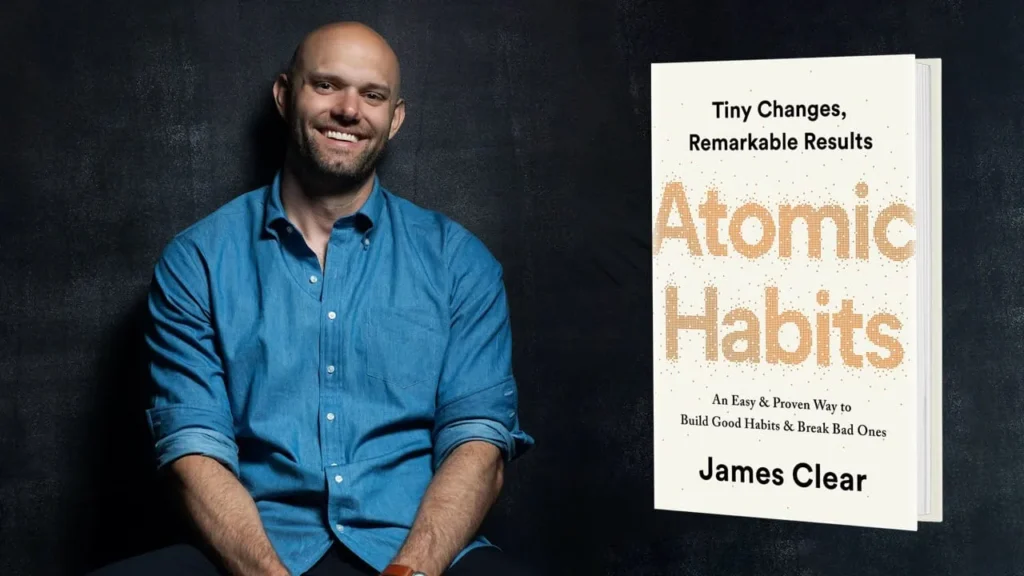
How to Write Like a Thought Leader: The James Clear Principles Framework for Nonfiction Authors

Great Books Aren’t Written — They’re Structured

Most first-time authors start with the wrong question:

“How do I write a great chapter?”

The better question:

“How do I structure my ideas so readers understand, remember, and act on them?”

Thought leaders don’t win because they’re better writers.

They win because their ideas are delivered through a structure that makes those ideas unavoidable.

And James Clear’s Atomic Habits provides one of the cleanest, most repeatable structures modern authors can steal.

At Manuscripts, we’ve studied more than 2,500 nonfiction books inside the Modern Author OS. Across industries, voices, and genres, one pattern keeps showing up:

Readers trust frameworks more than opinions.

Readers remember stories more than arguments.

Readers act when structure makes action simple.

James Clear mastered that blend.

In this guide, you’ll learn exactly how to use Clear’s “Principles Framework” to build chapters that feel polished, persuasive, and inevitable — even if you’re busy, overwhelmed, or unsure how to organize your ideas.

This is the approach we use inside the Modern Author Accelerator and Codex AI to help authors transform scattered expertise into clean, compelling chapters.


Why Readers Trust Principles More Than Advice

Most books fail because they tell people what to do instead of showing how the world works.

Advice feels personal.

Principles feel universal.

James Clear built his book around principles like:

  • Identity drives habits
  • Environment shapes behavior
  • Small improvements compound

These aren’t tips.

These are truths.

A principle is a timeless rule about how something works.

When a reader recognizes it, you get instant credibility.

Why Principles Work So Well in Modern Thought Leadership

They:

  • Create shared language
  • Anchor your frameworks
  • Make your ideas portable
  • Encourage word-of-mouth (“She teaches the principle of X…”)
  • Position you as a category thinker, not an advice-giver

If you want to write like a thought leader, your chapters must translate your expertise into principles — then prove them with stories, data, and frameworks.


The James Clear Chapter Structure (Reverse Engineered)

We broke down Clear’s chapters across Atomic Habits and found a repeatable flow:

THE CLEAR PRINCIPLES CHAPTER MODEL

  1. Start With a Story A vivid, often surprising story that represents the principle in action.
  2. State the Principle A clear, memorable truth about how the world works.
  3. Explain the Principle Why does this principle matter? What makes it universal?
  4. Demonstrate the Principle Real-world examples, research, case studies, or analogies.
  5. Introduce a Framework A simple, visualizable system or model that operationalizes the principle.
  6. Apply the Framework Show readers what to do and how to do it.
  7. End With a Memorable Line or Punchline A repeatable idea that readers can’t forget.

This structure is extremely friendly for:

  • Busy authors
  • Business leaders
  • Consultants
  • Coaches
  • Creators
  • Anyone trying to turn expertise into IP

It reduces blank-page stress and gives your reader cognitive grip.


Build Your Chapter Around One Core Principle

Every great chapter answers one question:

“What is the single principle this chapter proves?”

If your chapter has three ideas, it’s confusing.

If it has one idea, it’s powerful.

Your principle must be:

  • True (backed by research or lived experience)
  • Simple (plain language)
  • Useful (changes behavior or perspective)
  • Memorable (easy to teach)

Examples:

  • “People don’t rise to the level of their goals. They fall to the level of their systems.”
  • “Clarity creates courage.”
  • “Positioning is what you own in the mind, not what you say in the pitch.”

Inside Codex, this is where we extract:

  • Repeated beliefs
  • Thematic patterns
  • Contrasts
  • Identity statements
  • Core insights

And then synthesize them into a clean principle.


Start With a Story (Your Anchor)

Clear opens nearly every chapter with a surprising or emotional story.

Why?

Because stories create cognitive hooks.

The story makes the principle stick.

Your story must do at least one of these:

  • Illustrate the principle in action
  • Represent a transformation
  • Set up the problem the reader is facing
  • Create tension or curiosity
  • Build trust through vulnerability

Examples from Clear:

  • The British cycling team transformation
  • The Japanese train station cleaning ritual
  • The Seinfeld chain method

Stories = stickiness.

Principles = clarity.

Frameworks = action.

That combination creates bestseller energy.


Demonstrate the Principle With Multiple Angles

James Clear doesn’t just state a principle and move on.

He proves it three ways:

1. Research or data

Gives credibility.

2. Examples or case studies

Makes it relatable.

3. Metaphors or analogies

Makes it memorable.

When we work with authors, we call this the Evidence Bundle.

One principle → three types of proof.

This is where the Manuscripts methodology shines:

we teach authors how to gather stories, turn them into data, and feed them into Codex so that each chapter writes itself.


Turn Your Principle Into a Framework

This is where most first-time authors fall short.

They give great stories.

They explain great ideas.

They forget to give readers a system.

James Clear always does.

He turns principles into:

  • 4 Laws
  • Systems
  • Rules
  • Models
  • Step-by-step processes

A framework moves readers from “I understand” to “I can use this.”

For your book:

  • Give every chapter one framework
  • Make it visual
  • Use 3–5 steps (cognitively optimal)
  • Tie each step back to the principle

This is also how you turn your book into:

  • A keynote talk
  • A workshop
  • A course
  • A coaching program
  • An enterprise training system

Frameworks = monetization.


Close With a Punchline or Insight They Can’t Forget

Clear ends each chapter with a sharp, memorable line.

These lines often end up:

  • Quoted
  • Shared
  • Highlighted
  • Used in talks
  • Referenced in articles

Examples:

  • “You do not rise to the level of your goals. You fall to the level of your systems.”
  • “Every action you take is a vote for the type of person you wish to become.”

Your closing line should be:

  • Short
  • True
  • Repeatable
  • Aligned with the principle

This becomes your intellectual signature.


Your Chapter Template (Manuscripts Version)

Here’s the Manuscripts + James Clear hybrid chapter template:


CHAPTER TITLE (Benefit + Insight)

1. Opening Story

One vivid, emotional story that sets up the idea.

2. State the Core Principle

One sentence.

3. Explain the Principle

Why it matters. Why it’s universal.

4. Demonstrate the Principle

  • Research
  • Case studies
  • Examples
  • Metaphors

5. Introduce the Framework

3–5 steps.

6. Apply the Framework

Practical, step-by-step implementation.

7. Close With a Punchline

One memorable, tweet-length idea.


Feed this to Codex and you’ll get a chapter preview in 20 seconds.


Why This Structure Works for Busy Authors

If you’re a busy modern author, you need structure that creates speed.

This model gives you:

  • A predictable chapter flow
  • A way to write in 60–90 minute bursts
  • A framework that turns scattered notes into clear structure
  • A repeatable process you can use 10–12 times
  • A blueprint for repurposing every chapter into content

This is why our Accelerator authors can write high-quality drafts in 8–14 weeks even with full-time jobs.


How Codex Accelerates This Entire Process

Codex turns the James Clear method into an automated outline generator.

Upload a transcript, notes, or a research dump and Codex will:

  • Extract potential principles
  • Map your stories to principles
  • Identify gaps
  • Cluster examples
  • Propose 3–5 frameworks
  • Generate chapter outlines
  • Rewrite principles in cleaner language
  • Produce chapter summaries, headlines, and social posts

This takes authors from overwhelm to momentum fast.


Bringing It All Together

Writing like a thought leader is not about being a genius.

It’s about having a structure that elevates your ideas.

James Clear gave modern authors one of the most effective chapter models in nonfiction.

Use it.

Adapt it.

Make it your own.

This framework, combined with Codex and the Modern Author OS, gives you everything you need to write chapters that are clear, persuasive, memorable, and actionable.

If you want to write like a thought leader, build chapters around principles.

Principles build books.

Books build opportunities.

Opportunities build a platform.


Call to Action

If you want help using the James Clear Principles Framework to write your book, schedule a free strategy call with Manuscripts.

We’ll help you:

  • Identify your core principles
  • Build your frameworks
  • Structure your chapters
  • Use Codex to accelerate your draft
  • Build your platform while writing
  • Turn your book into speaking, clients, and business growth

Schedule Your Free Strategy Call


About the Author

Eric Koester is an award-winning entrepreneurship professor at Georgetown University, bestselling author, and founder of Manuscripts, the Modern Author OS used by more than 3,000 authors. His work has helped creators turn ideas into books, books into brands, and brands into scalable businesses.

About Manuscripts

Manuscripts is the leading full-service publishing partner for modern nonfiction authors. We help founders, executives, coaches, and experts turn their books into growth engines, through positioning, coaching, developmental editing, design, AI-enhanced writing tools, and strategic launch systems. Manuscripts authors have sold thousands of books, booked paid speaking gigs, landed media features, and generated millions in business from their IP.

Work With Us

If you’re writing a book you want to matter, let’s map out your Modern Author Plan.

👉 Schedule a Modern Author Strategy Session → https://write.manuscripts.com/maa-web

👉 Explore Manuscripts Publishing Services → https://manuscripts.com/publish-with-us/

👉 See Modern Author Success Stories → https://manuscripts.com/authors/

Modern Author Resources

  • How to Write a Book if You’re Busy
  • Modern Ghostwriting for Nonfiction Authors
  • AI Tools for Authors in 2026
  • How to Build an Audience Before You Write Your Book
  • The Evergreen Launch System for Modern Authors
Powered by Codex: The Modern Author AI Tool

Read more...