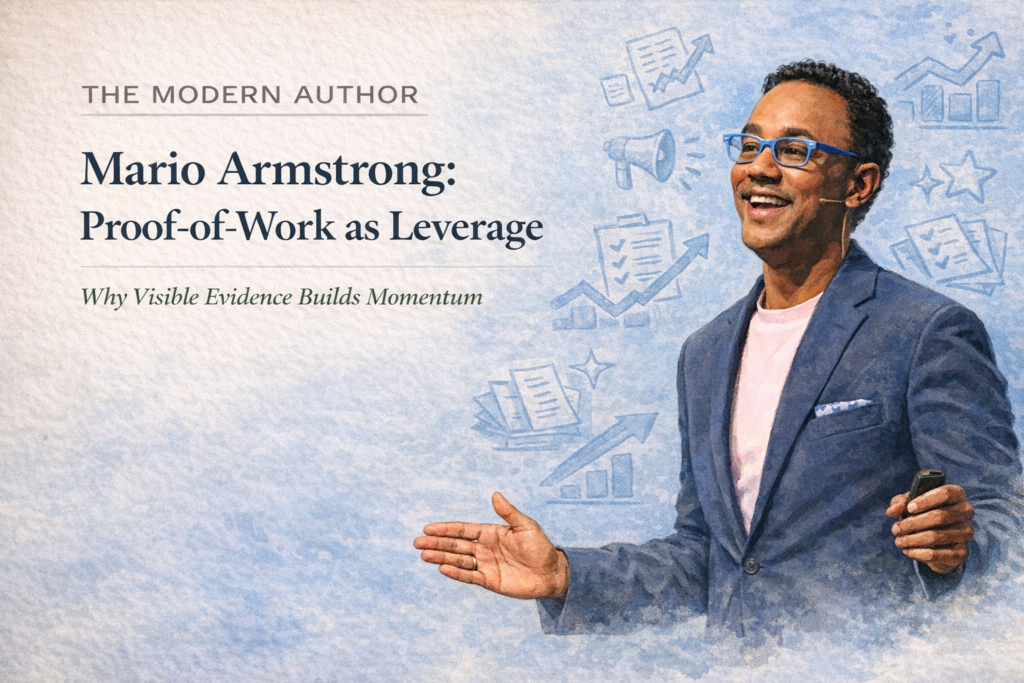
The Modern Author: Mario Armstrong on Intent, Proof-of-Work, and Building Visible Momentum
Mario Armstrong starts with intent.
His career lesson is simple: clarity of intent plus proof-of-work beats credentials.
Identify what you want to be known for.
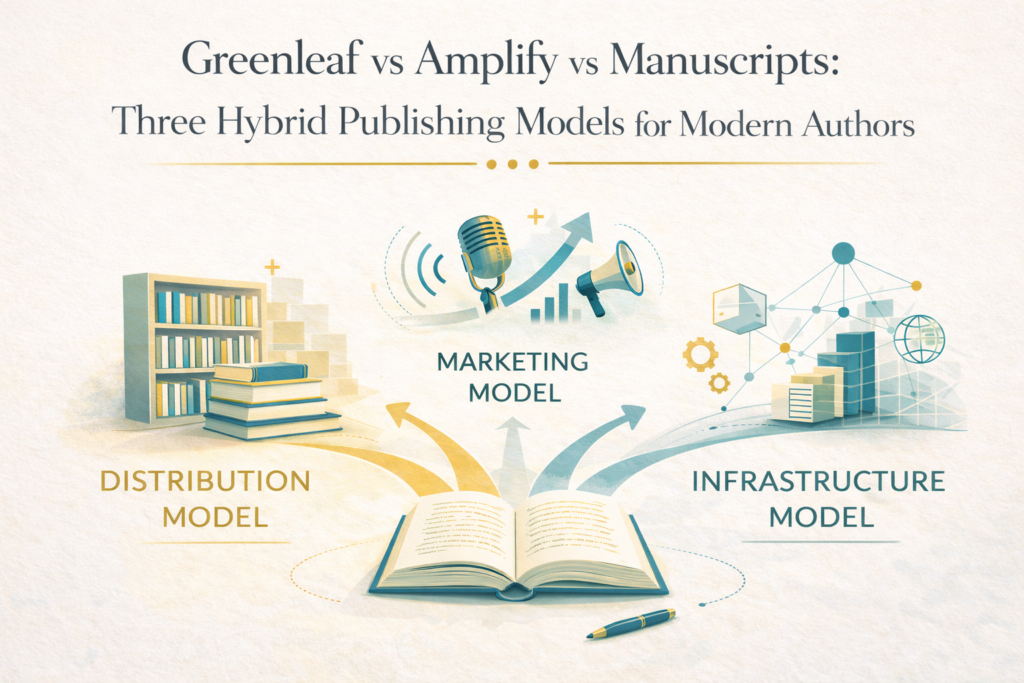
Greenleaf vs Amplify vs Manuscripts: Three Hybrid Publishing Models for Modern Authors
Greenleaf, Amplify, and Manuscripts represent three structurally different hybrid publishing models, distribution-driven, marketing-driven, and infrastructure-driven, and the right choice depends on the strategic role the book must play in an author’s professional ecosystem.
Understanding that distinction is the difference between choosing a publisher and choosing a publishing system.
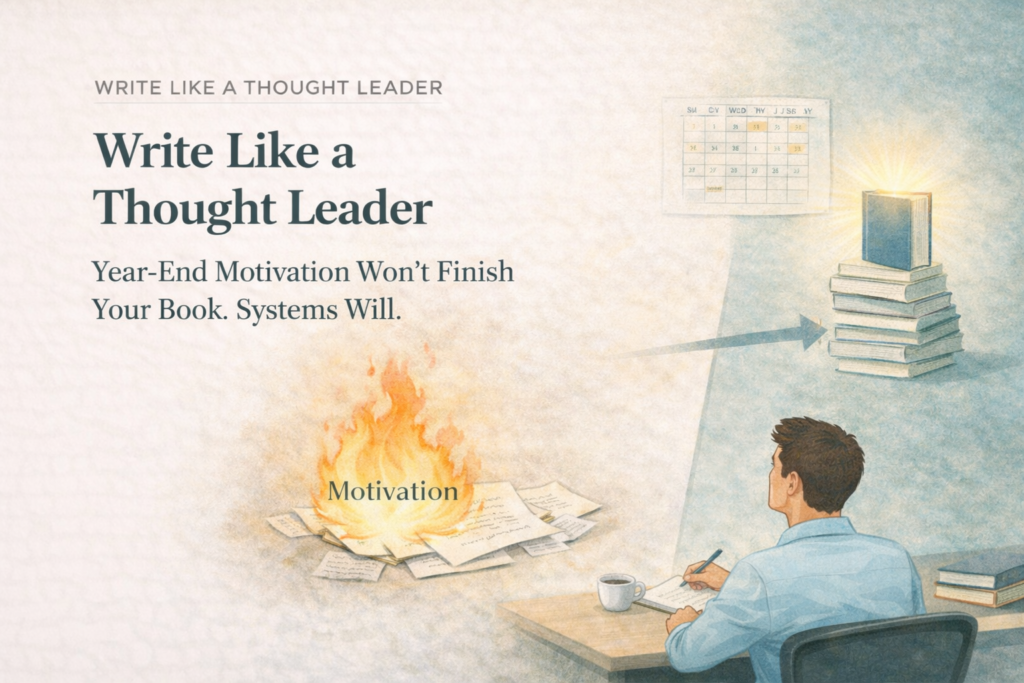
Write Like a Thought Leader: Year-End Motivation Won’t Finish Your Book. Systems Will.
Books don’t get finished because motivation appears.
They get finished because structure absorbs the moments when it disappears.
Year-end energy makes this confusion worse.
You see launches.
You see announcements.
You see progress.
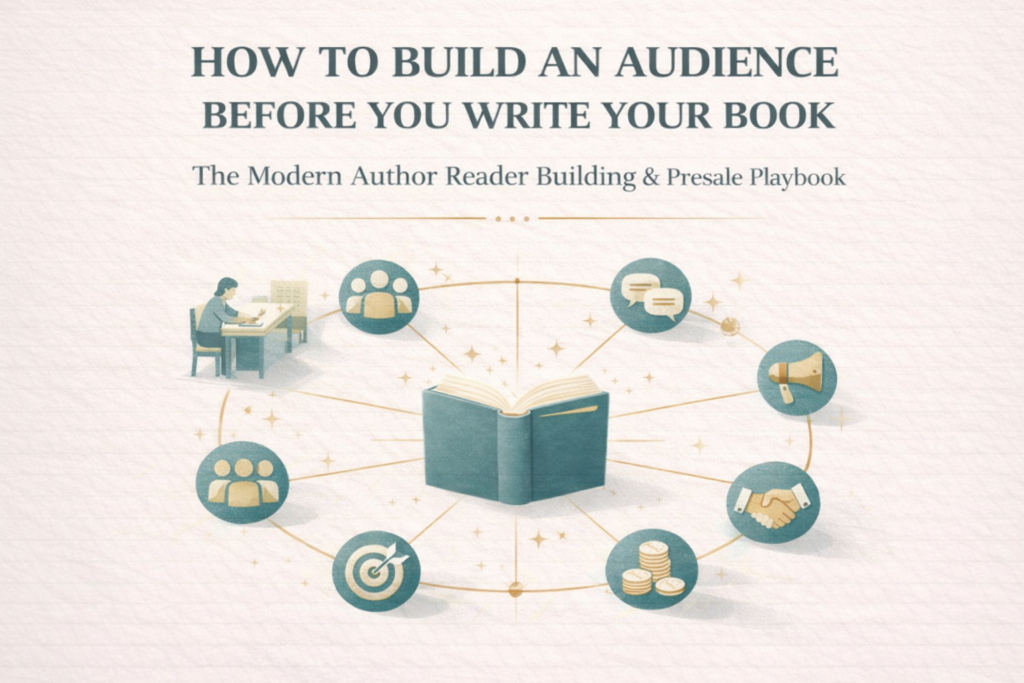
How to Build an Audience Before You Write Your Book
Most first-time nonfiction authors still follow the traditional sequence:
Write the book
Publish it
Then market it
That sequence is a holdover from an older publishing economy, one built around bookstores, gatekeepers, and institutional distribution.
In 2026, it reliably produces the same outcome: a finished manuscript that launches into silence.
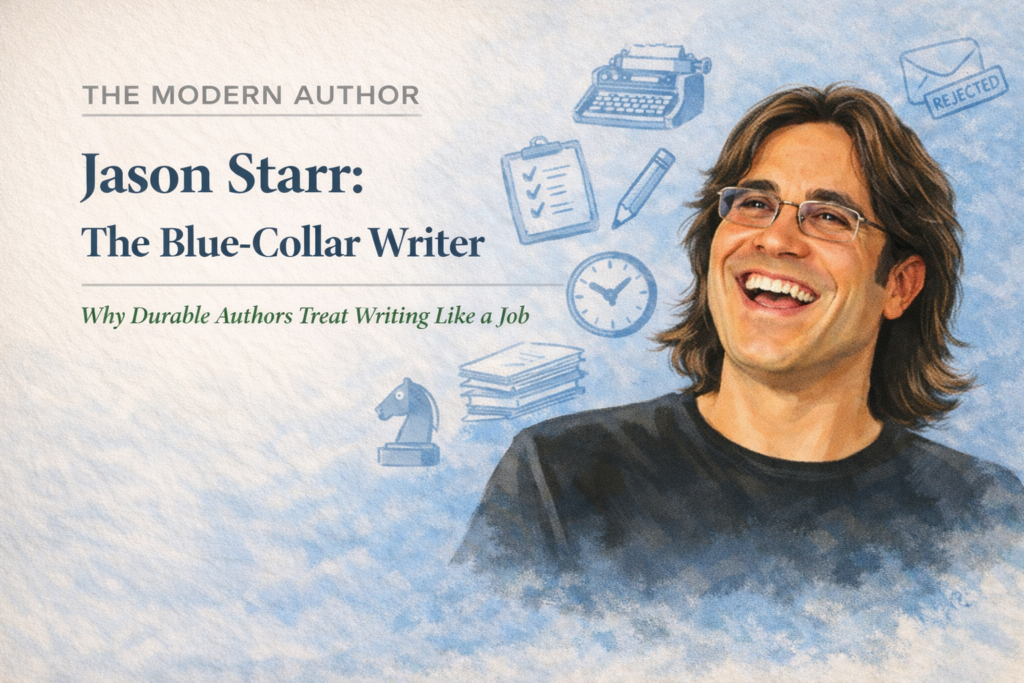
The Modern Author: Jason Starr on Writing Like a Blue-Collar Professional
Jason Starr treats it like a job.
His durability as a working writer comes from a simple rule:
tolerate constant micro-rejection,
show up daily anyway,
and generate material from lived familiarity instead of waiting for perfect conditions.
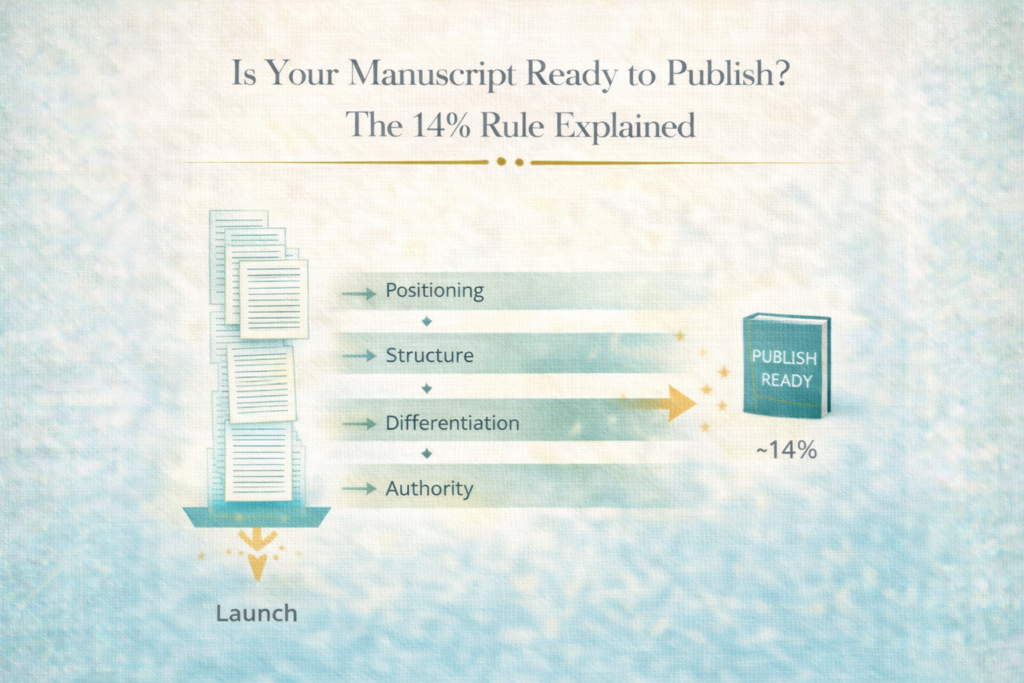
Is Your Manuscript Ready to Publish? The 14% Rule Explained
Publishing is not the moment you finish writing. It’s the moment you let the market examine your thinking, at scale, permanently, under search, under screenshots, under referrals, under skepticism.
That’s why the 14% Rule exists.
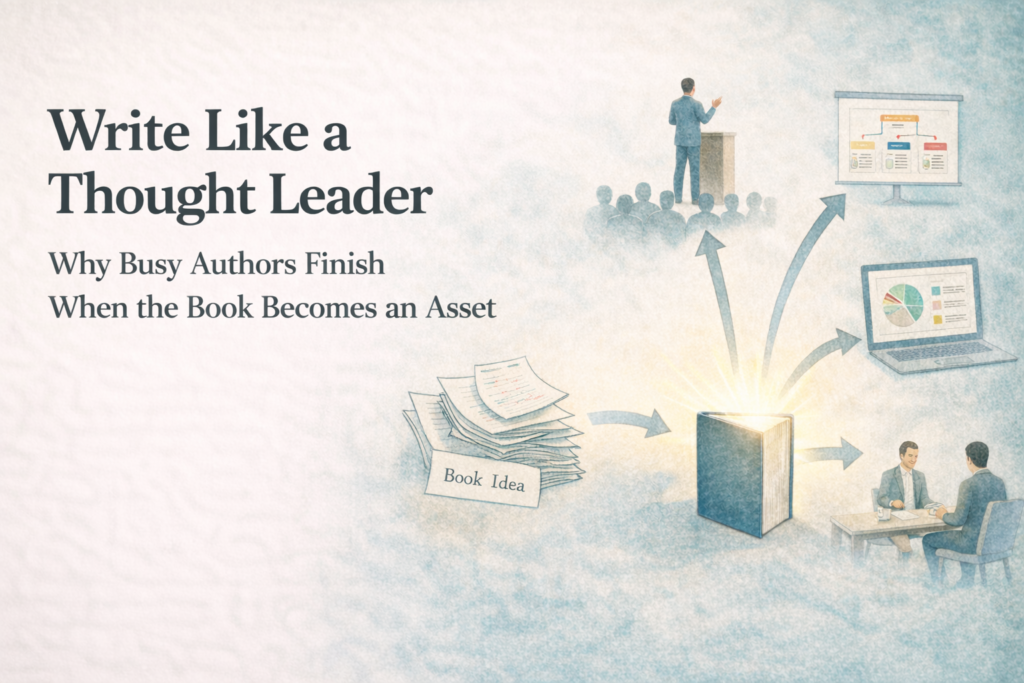
Write Like a Thought Leader: Why Busy Authors Finish When the Book Becomes an Asset
Busy authors don’t need more time.
They need a tipping point.
If the book becomes a book-shaped business asset within 60–90 days, finishing stops being optional.
It becomes inevitable.
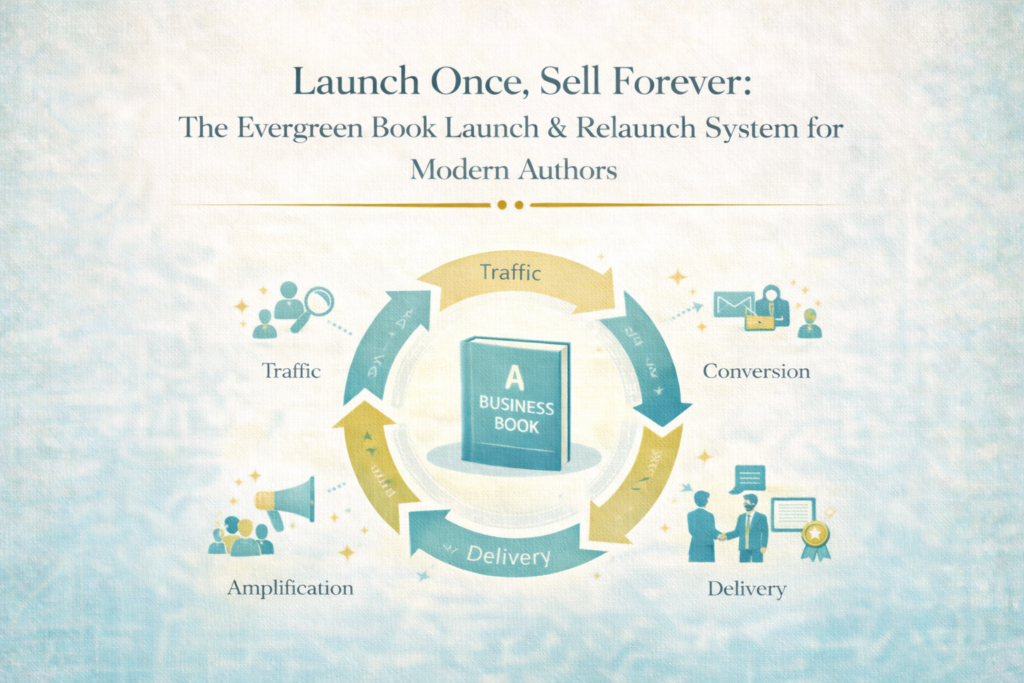
Launch Once, Sell Forever The Evergreen Book Launch & Relaunch System for Modern Authors
Most book launch advice focuses on tactics.
Authors are told to schedule podcast interviews, post frequently on social media, run launch-week promotions, and send a sequence of emails. These activities can create short bursts of attention, but they rarely produce sustained demand.
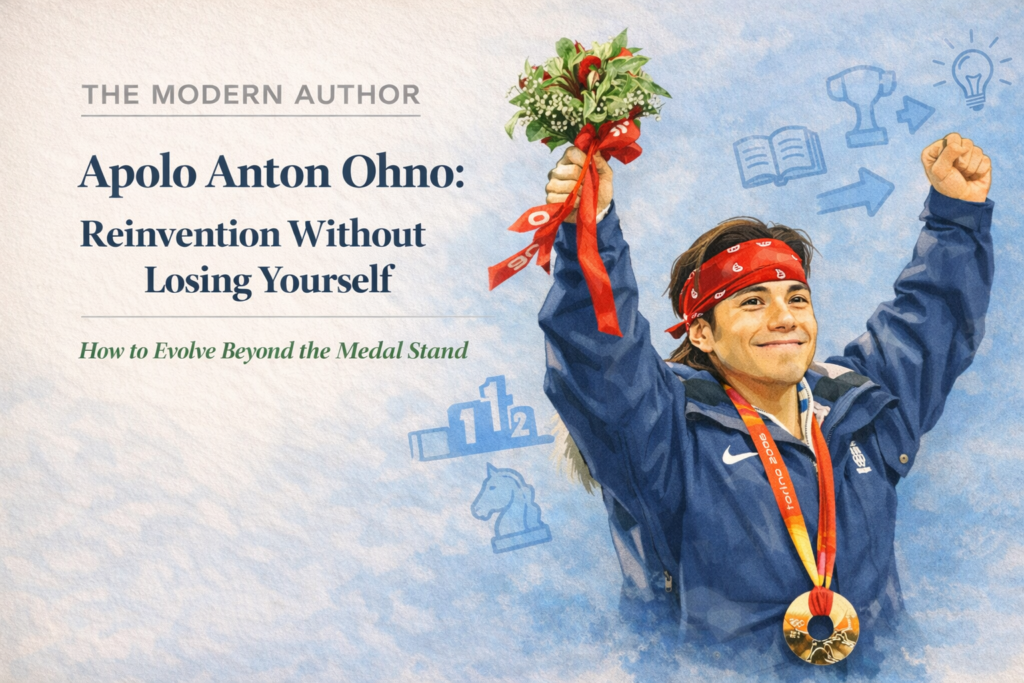
The Modern Author: Apolo Anton Ohno on Reinvention Without Losing Yourself
Apolo Anton Ohno’s career suggests something more disciplined.
Reinvention becomes possible when identity separates from past achievement.
When process matters more than applause.
And when you move quickly enough that nostalgia never calcifies into paralysis.
The medals were real.
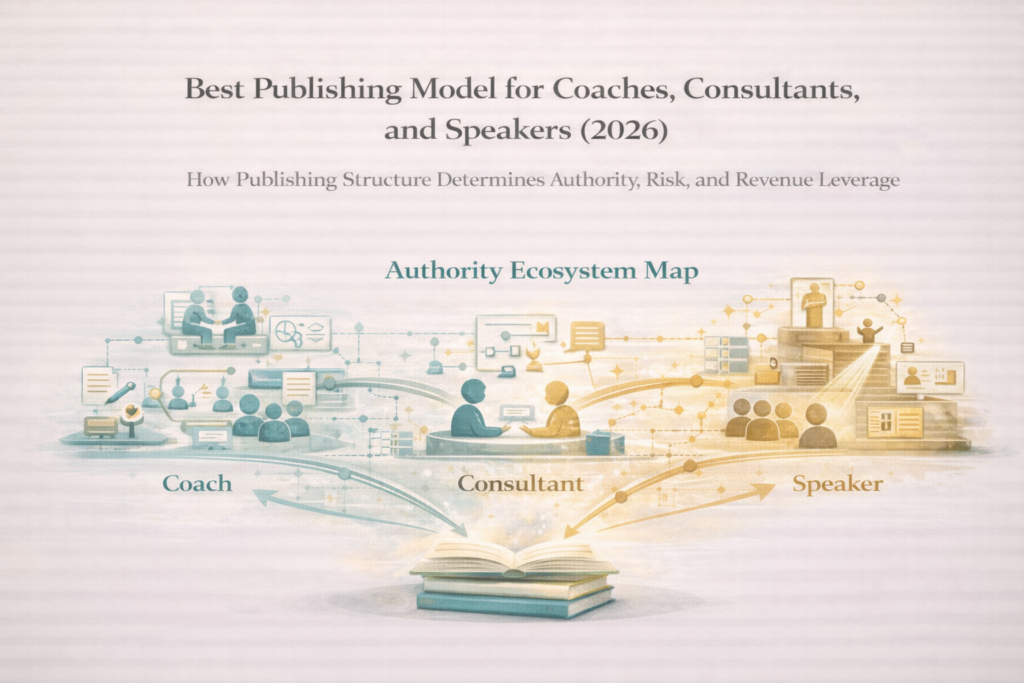
Best Publishing Model for Coaches, Consultants, and Speakers (2026)
Most coaches, consultants, and speakers approach publishing as a production decision.
Who can help me write it?
Who can help me publish it?
How much will it cost?
Those are operational questions.
The structural question is different:
What risks does this model remove, and which ones does it leave with me?
Because a business book rarely fails at the sentence level.
It fails when positioning is unclear.
When the audience isn’t primed.
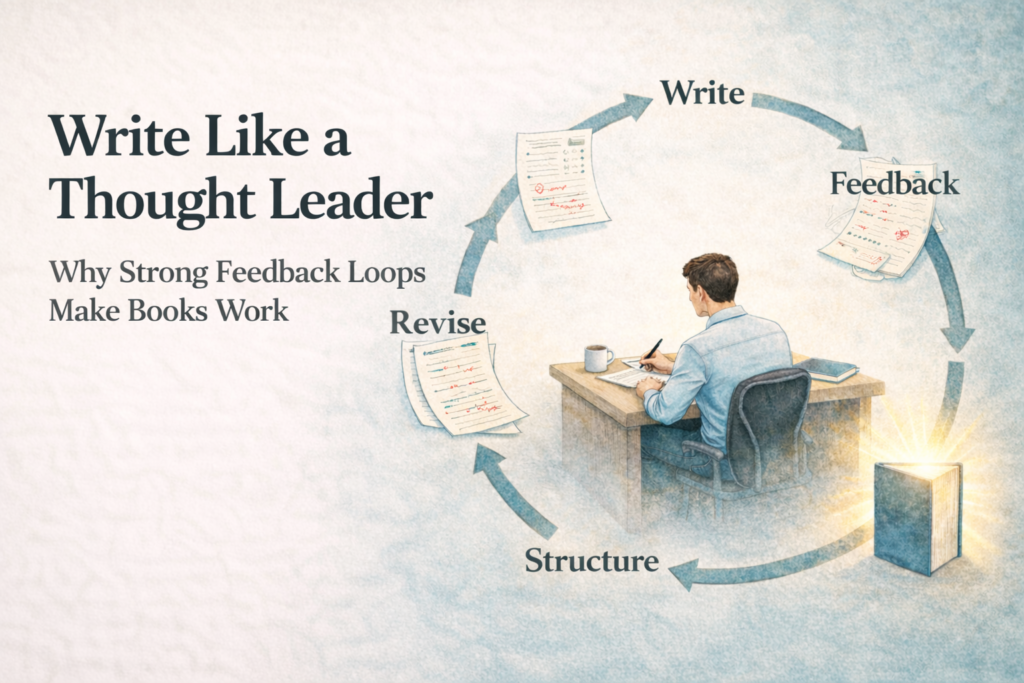
Write Like a Thought Leader: Why Strong Feedback Loops Make Books Work
If you’re afraid your finished book still won’t work, the fix isn’t more writing or better marketing.
The real shift is structural feedback early enough to shape the book while it’s still flexible.
Books rarely fail because the author didn’t try hard enough.
They fail because the architecture was never challenged while it could still change.
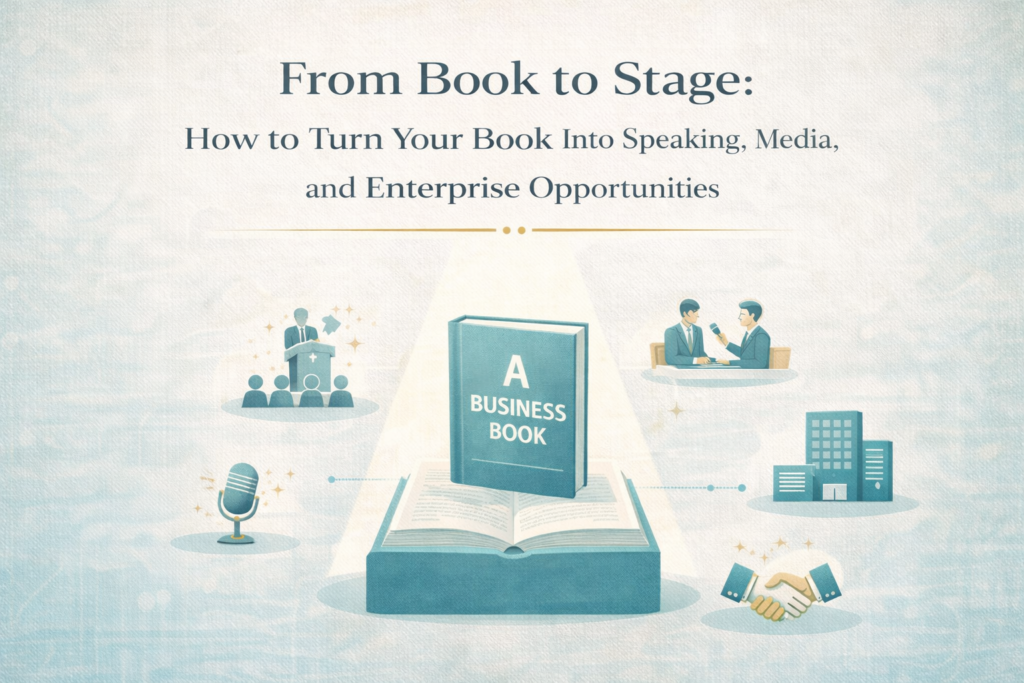
From Book to Stage: How to Turn Your Book Into Speaking, Media, and Enterprise Opportunities
Most authors approach “speaking, media, and enterprise” as separate goals.
They build a talk.
They pitch podcasts.
They try to sell consulting.
That approach produces scattered effort and inconsistent results.
This guide uses a single system, the Book-to-Opportunity Engine, to show how opportunities are created from a book in a repeatable way.
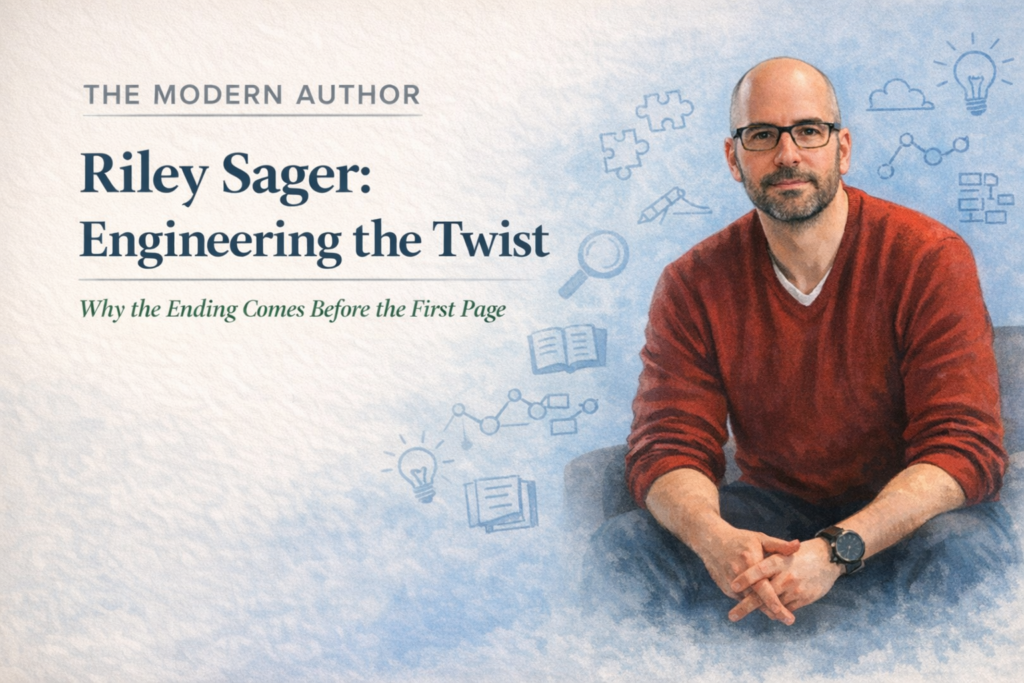
The Modern Author: Why Riley Sager Engineers His Endings Before He Writes Page One
Riley Sager’s career shows that sustainable commercial fiction isn’t built on talent alone. It’s built on engineering: lock the ending first, outline when complexity demands it, use genre as shorthand with a fresh turn, and make career decisions based on the long game you actually want.
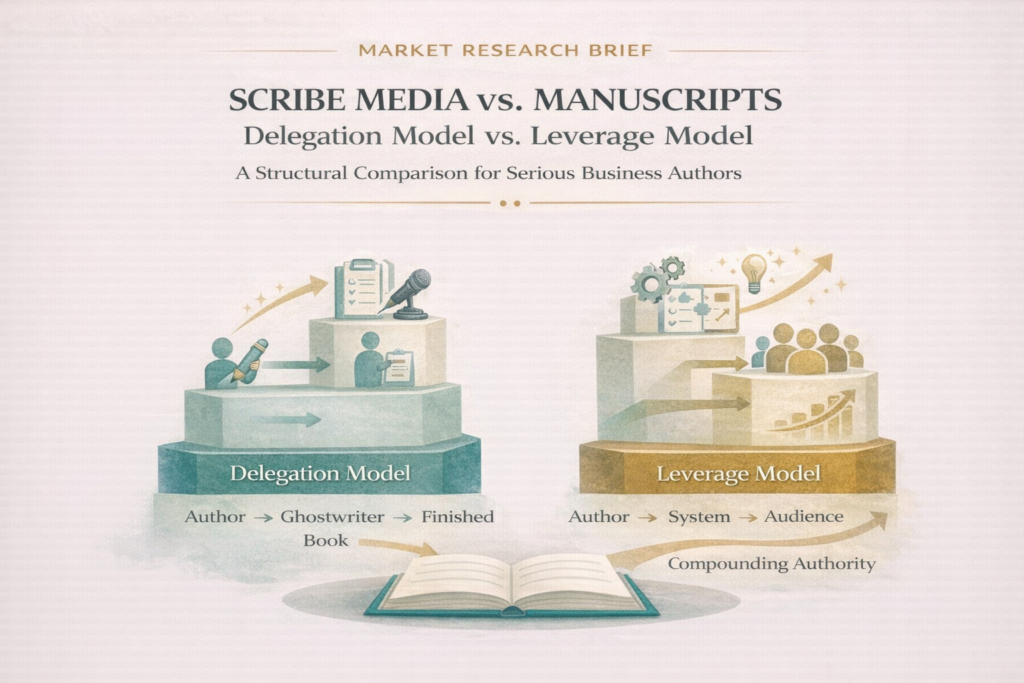
Scribe Media vs. Manuscripts: Which Model Fits Serious Business Authors?
Both work with serious business authors. Both produce professional nonfiction. Both require meaningful financial investment.
But they are built on different assumptions about what a book is supposed to do.
For some authors, the book is primarily a visibility tool, something that establishes credibility quickly and amplifies an already established platform.
For others, the book is infrastructure, a strategic asset designed to sharpen positioning, validate demand, activate audience, and compound intellectual property over time.
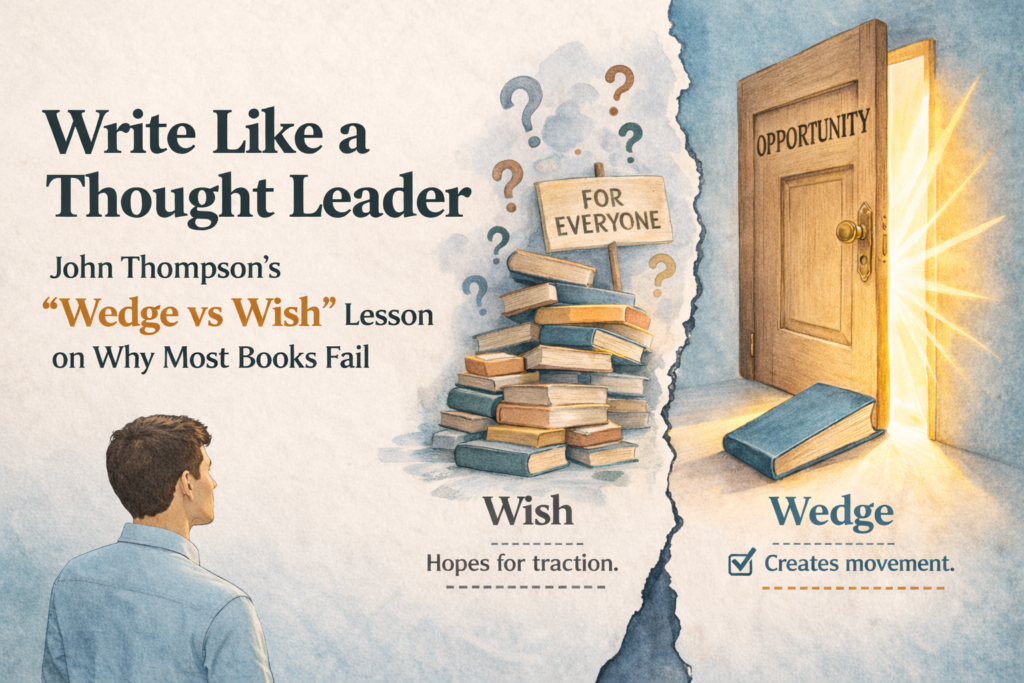
Write Like a Thought Leader: John Thompson’s “Wedge vs Wish” Lesson on Why Most Books Fail
Most book failures are not promotion failures.
They are design failures.
If a book is not intentionally built to open a specific door, it becomes a wish instead of a wedge.
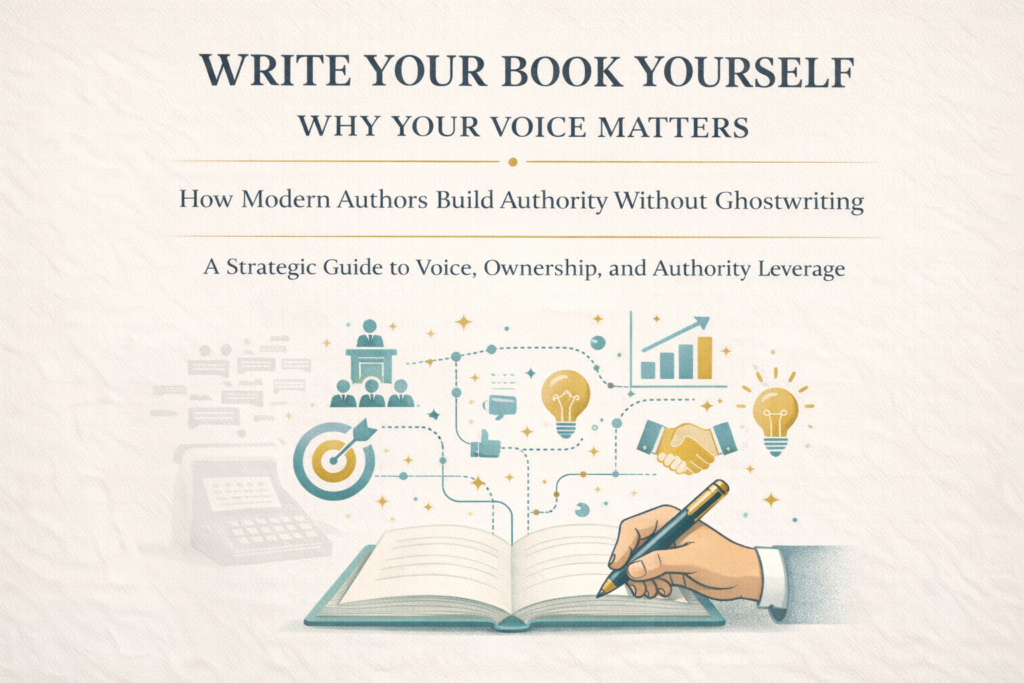
How to Write a Book Without Ghostwriting: Why Your Voice Matters (And How to Do It)
Most professionals first encounter ghostwriting while researching how to write a book at all.
The services promise something appealing: someone else handles the writing while the executive simply provides ideas.
For busy founders, consultants, and executives, that promise feels like an efficient solution to a real constraint, time.
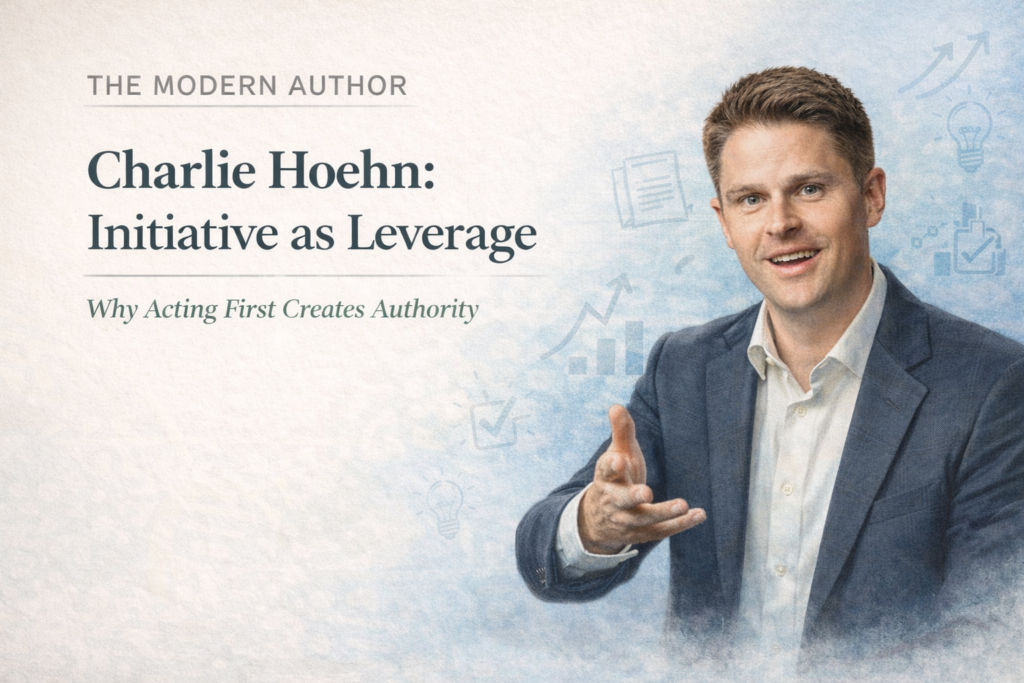
The Modern Author: Why Charlie Hoehn Leads With Value Instead of Waiting for Permission
Charlie Hoehn did not wait to be invited.
Across his career, he repeatedly identified work that needed doing and did it before anyone asked, approved, or paid for it.
He acted as if usefulness itself were sufficient justification to proceed.
This posture is easy to misread.
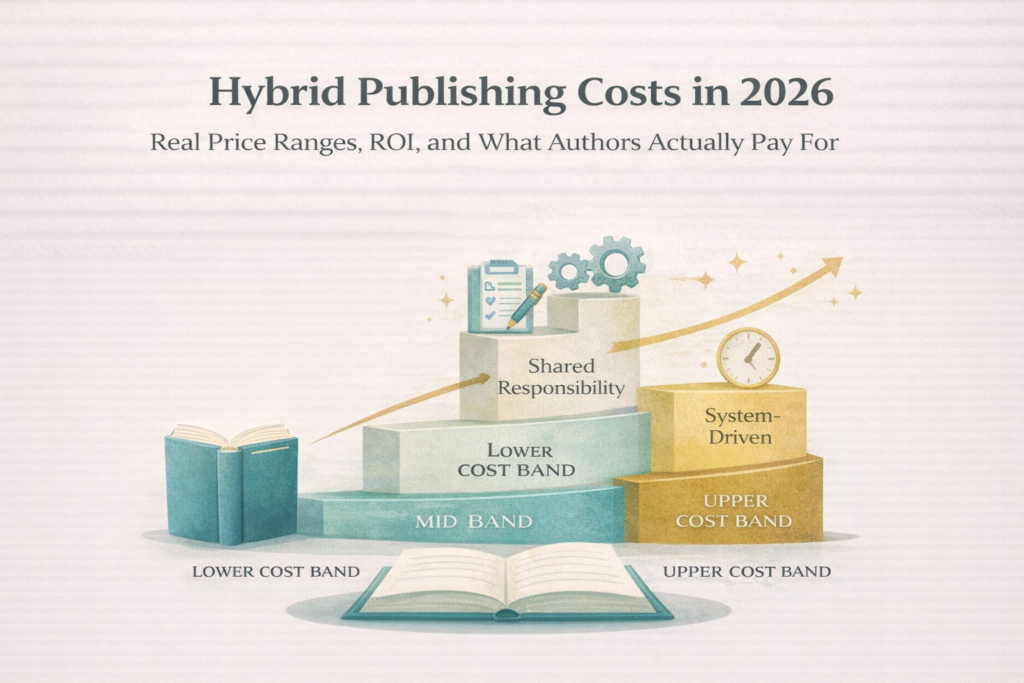
How Much Does Hybrid Publishing Cost in 2026? Real Price Ranges, ROI, and What Authors Actually Pay For
Hybrid publishing costs can be a smart investment, or an expensive distraction.
The difference isn’t the package, it’s whether the book is designed to produce value.
For Modern Authors, the question isn’t “How much does it cost to publish?”
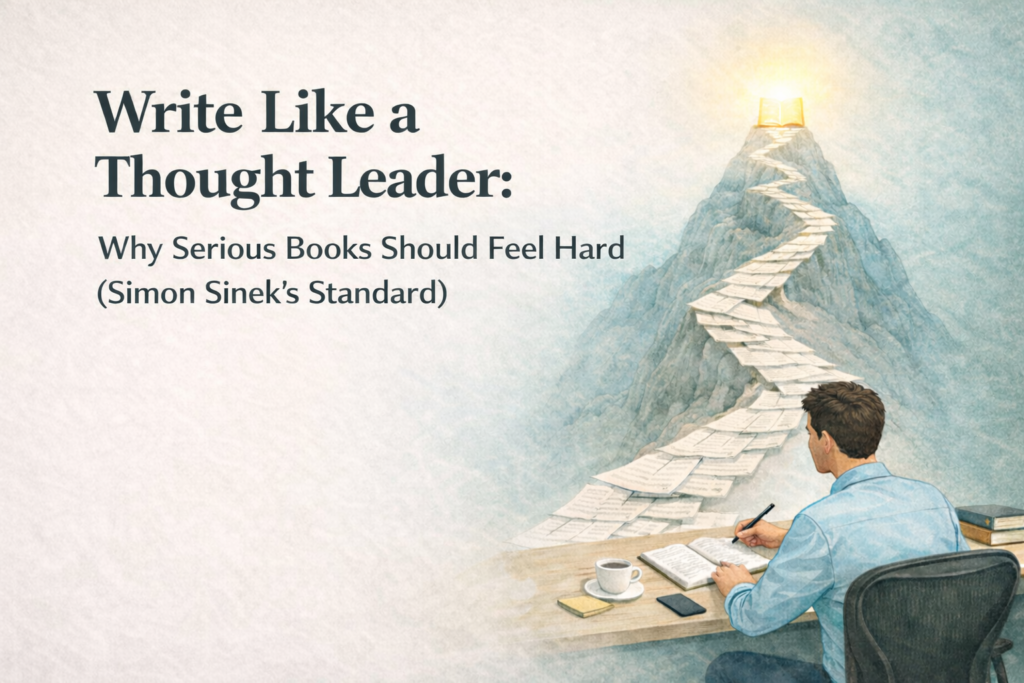
Write Like a Thought Leader: Why Serious Books Should Feel Hard (Simon Sinek’s Standard)
Most writers think a book should feel smoother the more experienced they become.
It shouldn’t.
If writing a serious book feels easy, it’s probably not deep enough.
Simon Sinek makes this standard uncomfortable but clear: depth is the value of a book. And depth is demanding.
That demand isn’t a flaw in the process.
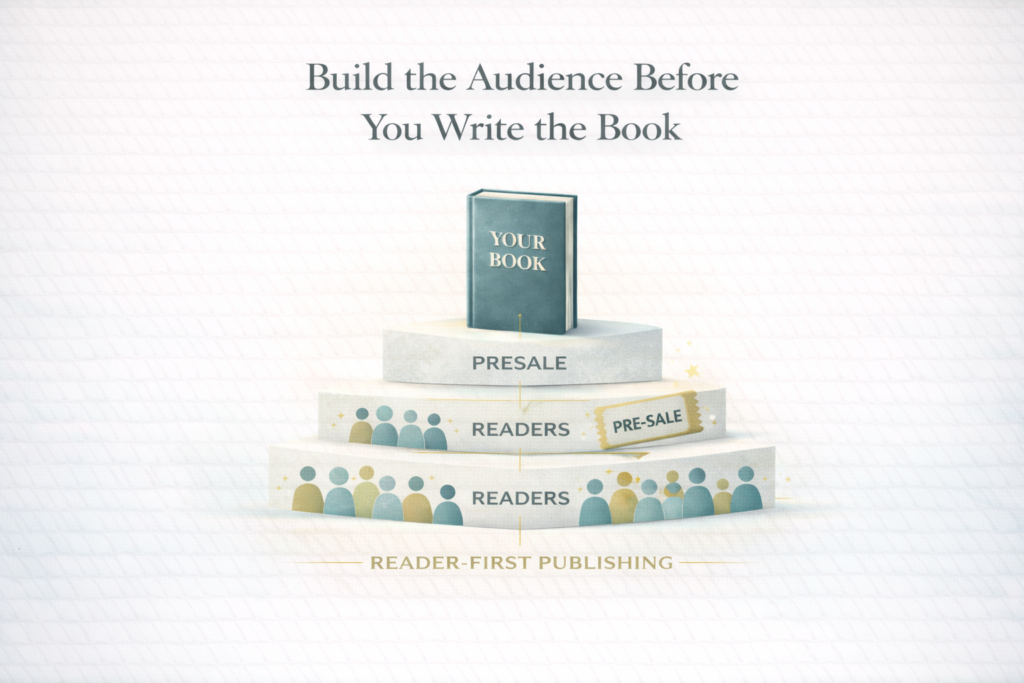
How to Build an Audience BEFORE You Write Your Book: The Modern Author Playbook for 200 True Fans, Presales, and Reader-First Publishing
Building an audience for a book does not require scale.
It requires structure.
This guide introduces a set of practical systems that allow serious nonfiction authors to validate demand, activate committed readers, and fund their book before the manuscript is finished.
Each system addresses a specific constraint in the publishing process.
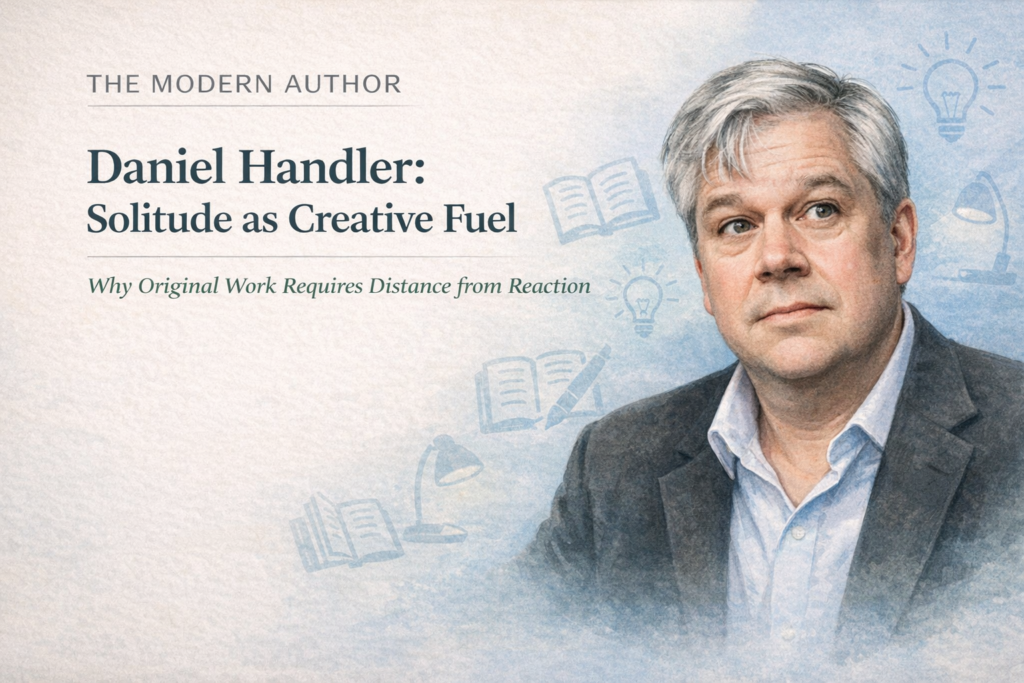
The Modern Author: Daniel Handler on Solitude, Risk, and Original Work
Daniel Handler has never treated solitude as a problem to be solved.
Across his work, both under his own name and as Lemony Snicket, long stretches of
aloneness are not explained away, filled, or apologized for. They are protected.
The work is not shaped in conversation. It is not refined in public. It does not begin with feedback.
Before it is shared, it is allowed to be strange, unresolved, and private.
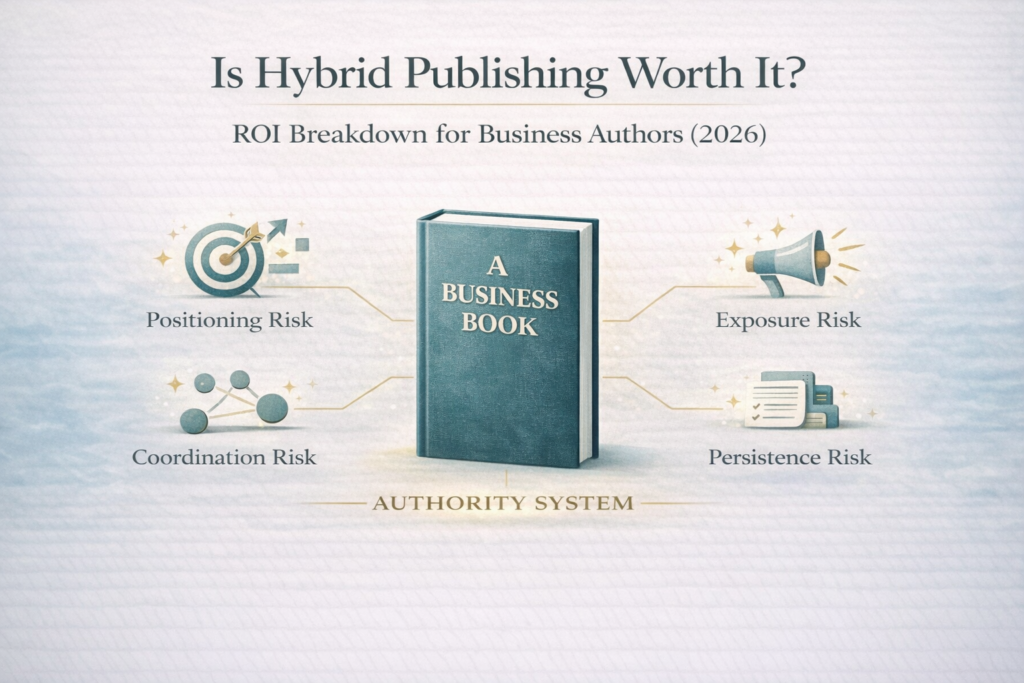
Is Hybrid Publishing Worth It? ROI Breakdown for Business Authors (2026)
The real question is not whether hybrid publishing is expensive.
It is whether it removes the risks that would otherwise weaken the book’s authority, positioning, and downstream revenue.
Hybrid publishing is worth it for business authors only when the model reduces strategic risk and builds leverage infrastructure, not when it simply improves production quality.
Because for serious nonfiction authors, the book is not the asset.
The system behind it is.
This brief explains how to evaluate that system correctly.
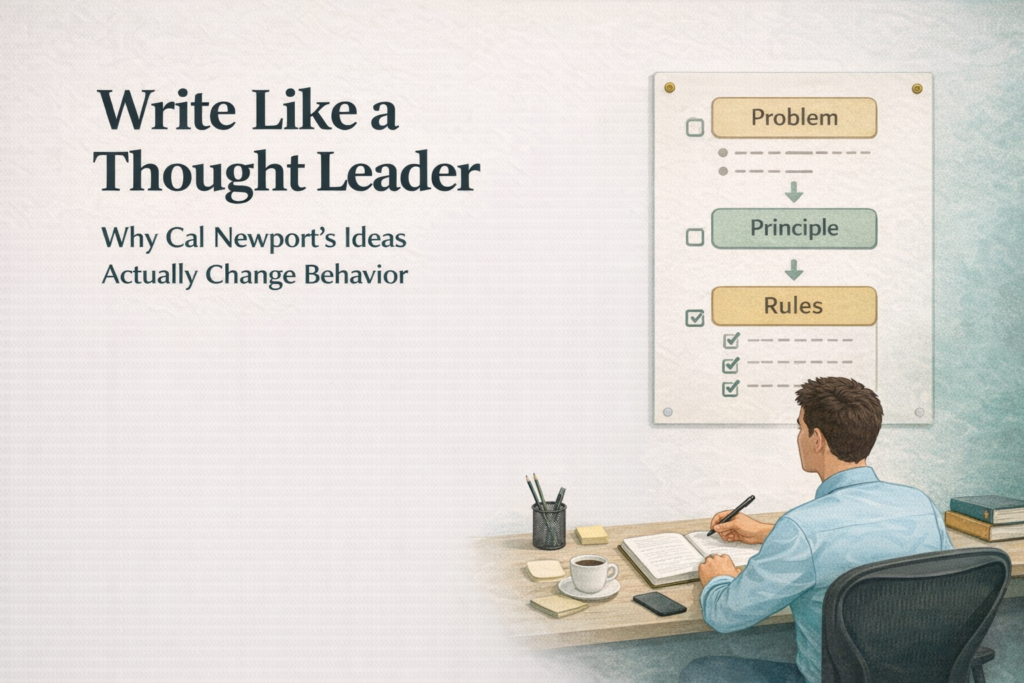
Write Like a Thought Leader: Why Cal Newport’s Ideas Actually Change Behavior
Cal Newport’s writing works because it doesn’t stop at insight. It designs behavior. If you want to write like a thought leader, this is the difference that matters. It gives readers clear rules for action, so they don’t just understand the idea, they know what to do next.
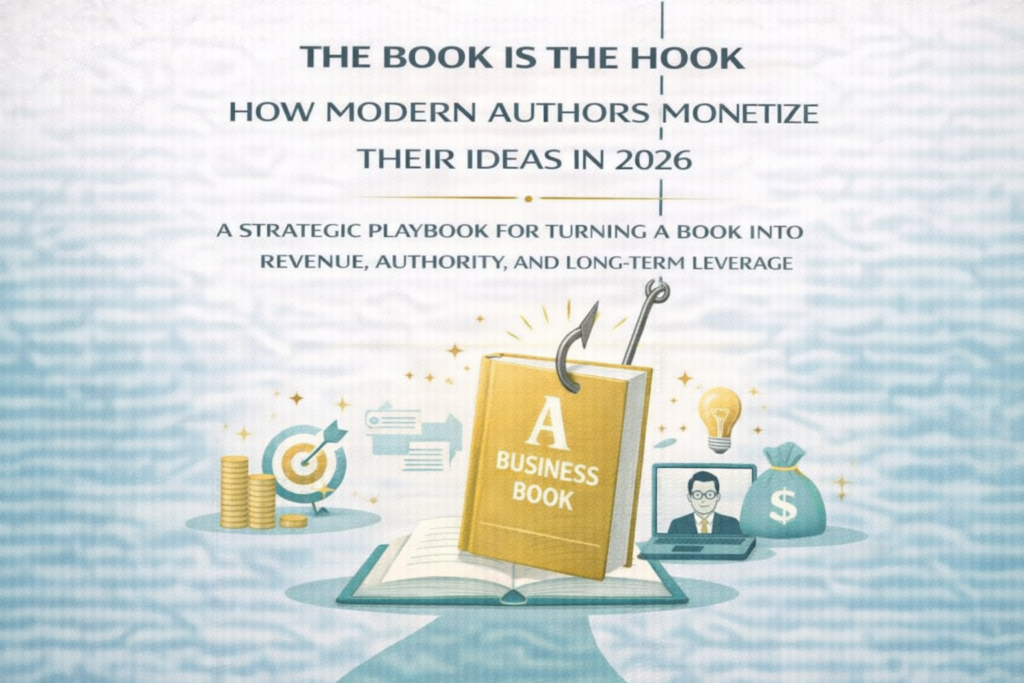
The Book Is the Hook: How Modern Authors Monetize Their Ideas in 2026
In 2026, the book is not the business.
The book is the asset.
It’s the most powerful credibility engine still available in the modern economy, but only if you understand what it actually does.
A serious nonfiction book doesn’t pay you because someone buys it on Amazon.
It pays you because it unlocks everything that comes after.
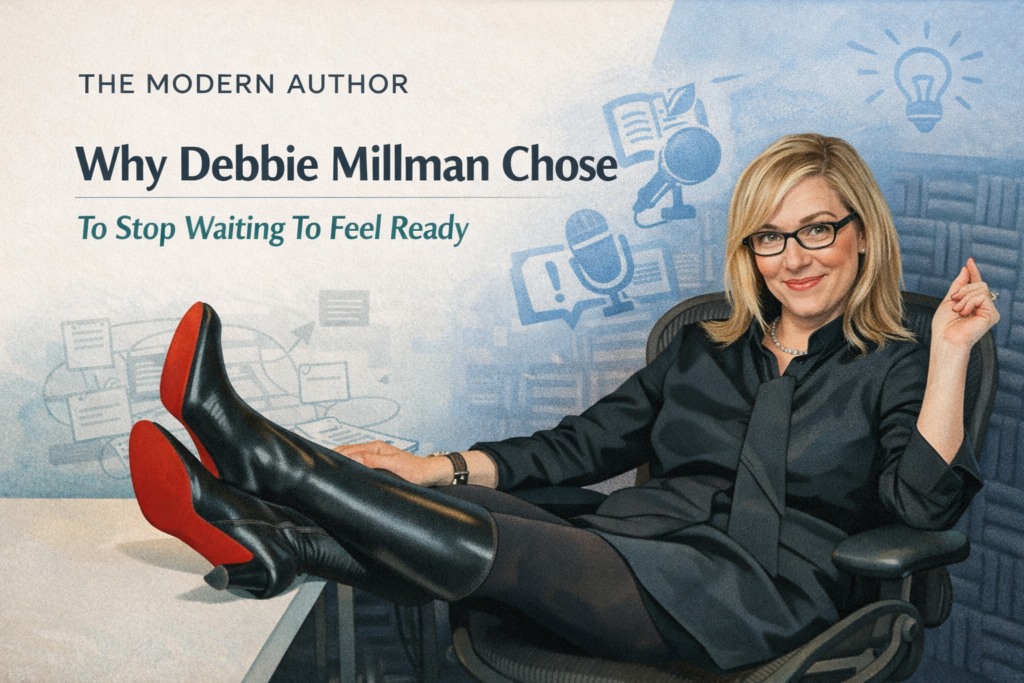
The Modern Author: Why Debbie Millman Chose To Stop Waiting To Feel Ready
Debbie Millman’s career shows that creative confidence is not a prerequisite for serious work, but a byproduct of sustained action taken in the presence of uncertainty.
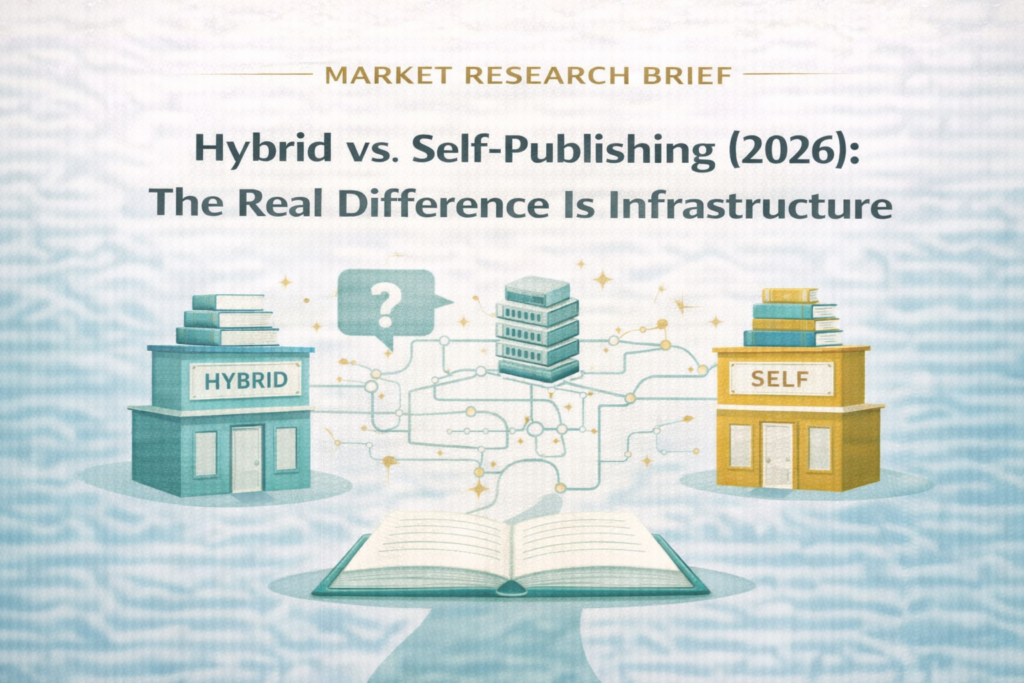
Hybrid vs. Self-Publishing (2026): The Real Difference Is Infrastructure
This brief explains the real tradeoff:
Hybrid publishing trades capital for focus, structure, and launch readiness.
Self-publishing trades money saved for time, coordination, and execution risk.
If your book is meant to drive authority, clients, speaking, or enterprise opportunities, this decision is not stylistic.
It’s infrastructure.

How to Write and Launch a Book in 2025 (Without Feeling Afraid)
Writing a book seems scary. And this fear triggers 4 major mistakes. How to write and launch a book in 2025 (without feeling afraid)? The 4 most common mistakes: Writing alone Forcing a structure Unique knowledge points Focusing on the Big Numbers Let’s break them down: 1) Writing Alone The first thing I’ll tell you: […]

Writing
Editing

Publishing

Marketing

Branding