

Guest Faculty Archives
Field Notes from world-class authors, thinkers, and creators who have taught inside Manuscripts.
The Guest Faculty Archives is a curated teaching library drawn from live guest lectures delivered to Manuscripts authors. Each Field Note captures a precise insight about writing, publishing, creativity, or authorship, preserved as a short-form lesson you can return to anytime.
These are not interviews or highlights.
They are instructional moments, extracted for Modern Authors.

Debbie reminds authors that publishing is not the finish line, it’s the beginning of the book’s life. A serious nonfiction book should create ongoing conversations, opportunities, and reader relationships. Modern authors build books that continue working for them through talks, workshops, teaching, and community. Longevity comes from depth and alignment, not from chasing a one-week launch.

Ruffin emphasizes that voice precedes plot. Modern Authors should listen for aliveness in the opening pages, because voice is what earns the reader’s trust before ideas ever land.

Gretchen reframes repetition as a strength. In a noisy world, authors shouldn’t hide ideas for a “big reveal.” Modern Author strategy is about consistent teaching moments across blog, book, podcast, and talks, so readers encounter your message when they’re ready.

Modern Authors often burn out by forcing output without refilling inspiration. Cameron’s Artist Date is a practical reset. It replenishes the emotional and imaginative fuel that makes books feel alive instead of mechanical.

Seth teaches that the best books aren’t built for launch week, they’re built for long-term recommendation. Bestseller status is temporary. Trust is durable. Modern authors should design books that become evergreen assets, books readers hand to other people years later. That requires depth, usefulness, and clarity. The goal isn’t hype, it’s longevity. Write something that earns repeated sharing, not a momentary spike.
Debbie emphasizes that authors must understand what they’re really trying to say before they try to say it well. Most manuscripts fail because they begin drafting before the message is clear. Modern authors win by doing the early work: defining the category, the tension, and the reader promise. Once that architecture is built, writing becomes execution, not wandering.
Ruffin explains that short stories are moments, while novels are accumulations. Modern Authors benefit from mastering both, learning completion through small forms before scaling into book-length work.

Miri teaches that modern publishing requires contingency thinking. Launches shift, tours cancel, life intervenes. The Modern Author wins by building resilience into the plan from day one.

Apolo reframes success as preparation. Modern Authors don’t confuse the launch with the work, they earn the launch through months of invisible drafting, refining, and commitment.
Cameron explains that the timing matters. Morning Pages aren’t reflection, they’re direction. For Modern Authors juggling careers, this is a way to anchor writing before the world takes over.
Debbie teaches that creative work becomes possible when it’s treated as a practice, not a burst of inspiration. Busy authors don’t finish books through motivation, they finish through structure. A manuscript is built through small, repeatable sessions, guided by clear architecture. The modern author system is less about writing forward and more about assembling the book deliberately, like design.
Ruffin teaches that authentic writing starts with curiosity, not agenda. Modern Authors create resonance by wondering how others think, feel, and speak, then building stories that feel lived-in rather than constructed.

Vishen opens by rejecting the myth of publishing randomness. Modern Authors win through systems, not inspiration, and books that spread are architected intentionally.
Miri’s book launched in March 2020, the least “ideal” moment possible, yet it became a breakout success. Modern Authors don’t wait for perfect timing, they build readiness and let the world meet the work when it’s ready.

Most busy authors get stuck because every word feels like it has to count. Cameron reminds us that creativity requires low-stakes writing first. Morning Pages create the raw mental space where real chapters can later emerge.
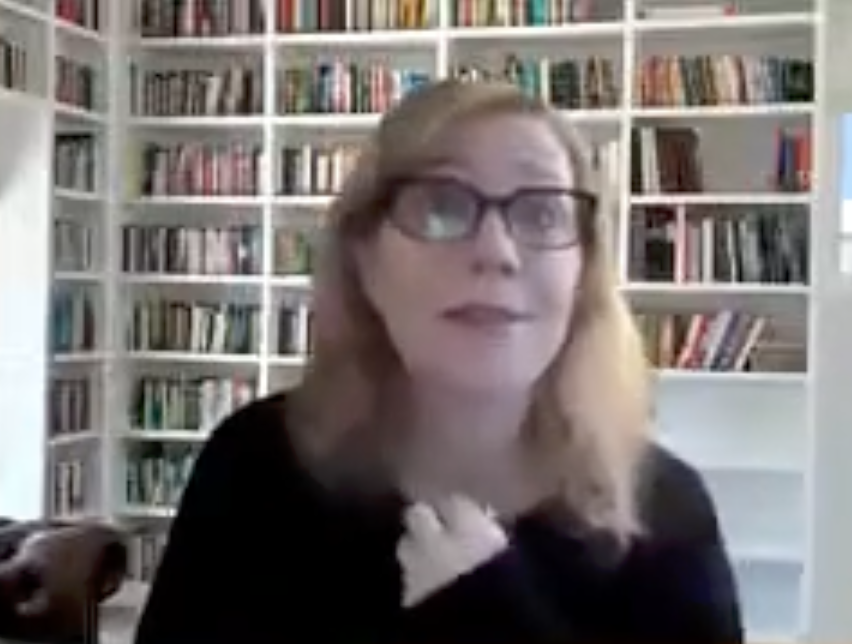
Debbie Millman highlights that the best nonfiction books aren’t just structured arguments, they’re emotional journeys. Readers remember stories, not frameworks. Modern authors need to treat storytelling as the spine of the manuscript, not decoration. Before you worry about polish, gather the moments, scenes, and experiences that give your ideas weight. Story is what creates trust, and trust is what makes a book matter.
