Most people think audiences care about credentials.
They don’t.
They care about movement.
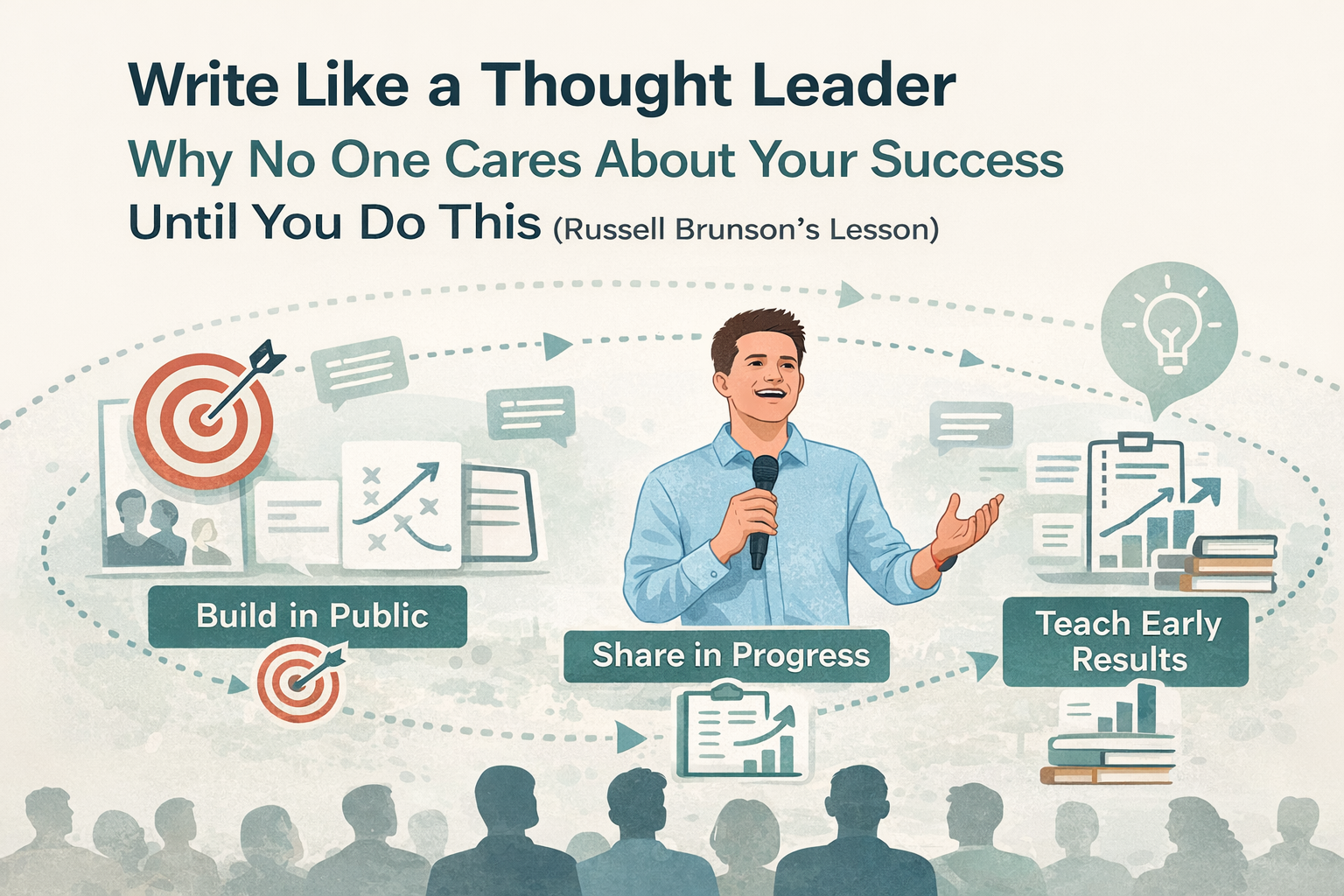
Russell Brunson understood this early. Long before ClickFunnels was a category, before the massive stages and seven-figure launches, he talked openly about what he was building, what was working, and what wasn’t, while it was still in motion.
That’s the lesson most aspiring thought leaders miss.
People don’t care about your success after it happens.
They care when they can see it unfolding.
The Russell Brunson Pattern: Build in Public, Teach in Public
Russell Brunson doesn’t wait until something is “done” to talk about it.
He:
shares frameworks as he’s using them
teaches concepts while they’re being tested
explains outcomes before they’re polished into case studies
This creates a powerful dynamic:
audiences feel early
trust builds faster
momentum compounds
The key insight isn’t marketing bravado. It’s psychology.
People don’t attach to finished success.
They attach to visible commitment.
The Principle: People Care When You Take Yourself Seriously
Here’s the core thought leadership principle behind this post:
People don’t validate your success. They respond to your conviction.
Russell didn’t wait for the world to crown him credible.
He acted like the work mattered before anyone else did.
That posture, repeated publicly, creates gravity.
Why This Matters for Authors
Most nonfiction authors do the opposite.
They:
hide until the book is “good enough”
wait for permission to teach
assume attention comes after achievement
But attention is built before the book is finished.
Russell’s style proves a counterintuitive truth:
Teaching is how you earn the right to be followed.
The “Conviction-First” Writing Framework
This is how to apply the Russell Brunson lesson directly to your book and content.
1) Lead with belief, not validation
Start chapters and posts by stating what you believe now, not what you’ve proven forever.
Example:
“Most funnels fail because people overbuild before they understand demand.”
That sentence doesn’t require universal proof. It requires ownership.
Eric Koester is an award-winning entrepreneurship professor at Georgetown University, bestselling author, and founder of Manuscripts, the Modern Author OS used by more than 3,000 authors. His work has helped creators turn ideas into books, books into brands, and brands into scalable businesses.
About Manuscripts
Manuscripts is the leading full-service publishing partner for modern nonfiction authors. We help founders, executives, coaches, and experts turn their books into growth engines, through positioning, coaching, developmental editing, design, AI-enhanced writing tools, and strategic launch systems. Manuscripts authors have sold thousands of books, booked paid speaking gigs, landed media features, and generated millions in business from their IP.
Work With Us
If you’re writing a book you want to matter, let’s map out your Modern Author Plan.
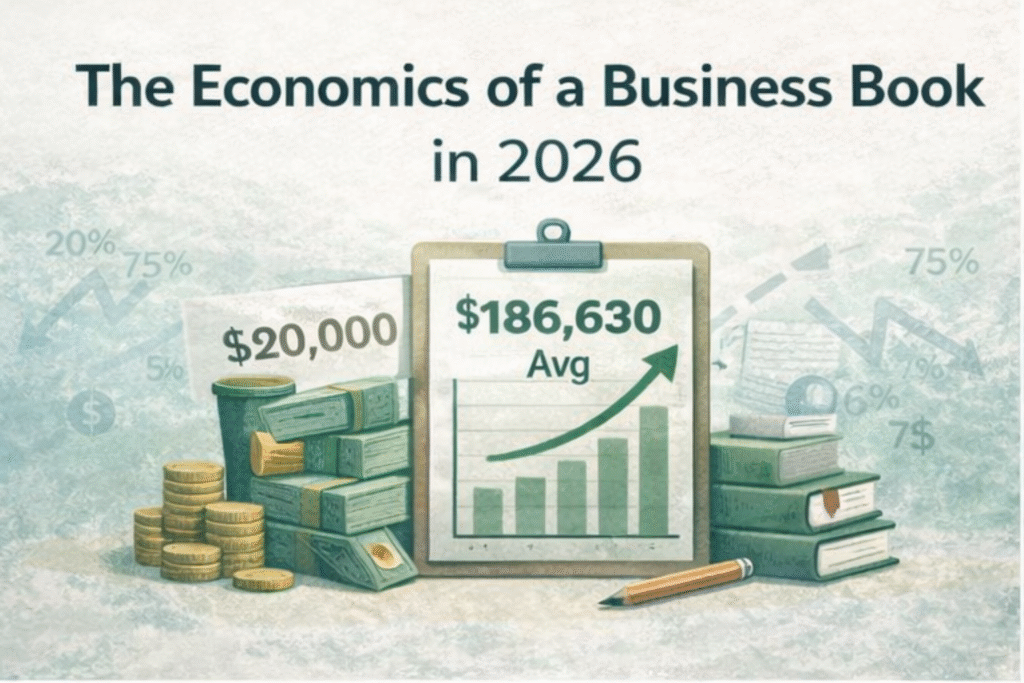
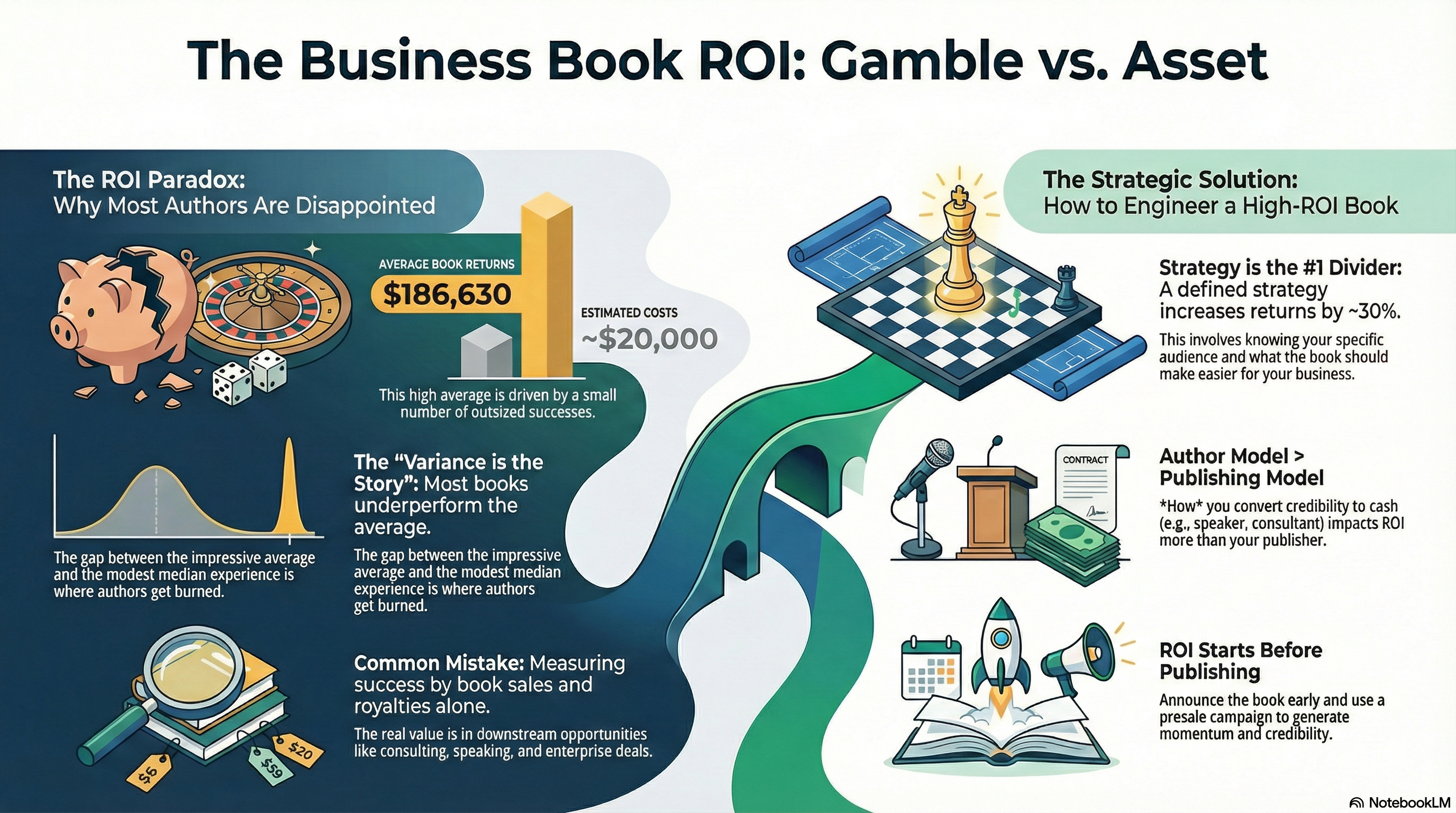
Across the full dataset, the average business book generated $186,630 in total returns, against roughly $20,000 in hard costs.
That number is real.
It comes from a combination of large-scale survey data, longitudinal author follow-ups, and direct revenue attribution across book sales, consulting, speaking, training, and organizational work. It reflects what actually happened, not what authors hoped would happen.
It is also deeply misleading without context.
Because business books are not linear assets. They are high-variance assets.
A small percentage of books generate outsized returns. A large percentage underperform expectations. Most fall somewhere in between with a modest return on investment. The average captures the upside. The median captures the lived reality. The gap between the two is where most authors get confused, frustrated, or burned.
This report explains the gap and the strategies the successful Modern Authors use to address it.
Why This Matters in 2026
Books have never been more powerful as business tools. They’ve also never been easier to misplay.
In 2026, a book can:
Open doors to enterprise clients
Accelerate credibility with partners and media
Shorten sales cycles
Anchor a speaking or training platform
Create long-term leverage that compounds for years
It can also:
Consume enormous time and attention
Drain budget with little to show for it
Create reputational confusion instead of clarity
Sit quietly on Amazon while the author wonders what went wrong
The difference between those outcomes is rarely the quality of the writing.
It’s strategy.
Where This Research Comes From
This guide is not a thought piece. It is not a publishing manifesto. It is not advice pulled from isolated success stories.
It is grounded in three primary sources:
Manuscripts Community Data Aggregated outcomes from hundreds of modern authors who used their books to drive business results, including presale performance, early ROI timing, audience activation, and downstream revenue.
Interviews with 150+ Successful Modern Authors Most of whom were traditionally published. Many of whom used their books as wedges into consulting, speaking, education, or enterprise work. These interviews focused on what actually worked, what didn’t, and what they would do differently if starting today.
Direct Conversations with Industry Experts Including the researchers and strategists behind the most comprehensive ROI study of nonfiction authors to date. These discussions informed how returns were defined, measured, and interpreted.
Where possible, we rely on externally validated data. Where we introduce Manuscripts-specific findings, they are clearly labeled and framed as observed patterns, not universal laws.
This report is the definitive reference for how modern nonfiction authors generate ROI in 2026. Definitions and frameworks from this report are referenced across Manuscripts’ Modern Author OS, Publishing OS, and Author Intelligence systems.
The goal is to clarify.
The Core Tension This Report Resolves
Business books produce meaningful upside. That’s why the average return is high.
They also produce frequent disappointment. That’s why so many authors feel misled.
Both things can be true at the same time.
This report explains:
Why averages skew high
Why medians feel underwhelming
Why new authors overspend
Why experience compresses risk
Why author model matters more than publishing model
Why ROI often begins before a book is published
And what actually controls outcomes in 2026
Not opinions.
Not publishing myths.
Not motivational rhetoric.
Just patterns, grounded in data, drawn from real authors who treated their books as serious business assets.
Before we talk about publishing paths, costs, or ROI, we need to be clear about one thing:
The average is real.
The variance is the story.
And strategy is the lever that determines which side of that story you land on.
📊 Key Findings – $186,630 average return – ~$20,000 hard costs – +30% returns with a defined strategy – New authors overspend by 230%
Author ROI
Section 1: Who This Report Is For (And Who It Isn’t)
This report is written for people who are already committed to writing a book.
Not someday.
Not hypothetically.
Not “I’ve been thinking about it.”
They’ve crossed that line.
What they haven’t figured out yet is the strategy.
They’re asking questions like:
What kind of book should this actually be?
How much should we invest, and where?
What outcomes are realistic?
How long does ROI really take?
What resources will this require from my team?
How do we avoid expensive mistakes?
This report is designed to answer those questions.
Who This Report Is For
This guide is for:
Founders and business owners using a book to drive visibility, authority, or enterprise deals
Executives and senior leaders exploring a book as a credibility or platform asset
Consultants, coaches, and advisors who want a book to accelerate trust and shorten sales cycles
Educators, trainers, and speakers building scalable intellectual property
Chiefs of staff, marketing leaders, and executive assistants tasked with evaluating whether a book makes sense, and how to approach it responsibly
If you’re preparing for a conversation with a CEO who has said, “I’m thinking about writing a book, help me figure out the best strategy for 2026,” this report is meant to be read before that meeting.
It is not a creative writing guide.
It is not a publishing checklist.
It is a strategic briefing.
The Assumptions We’re Making About You
To make this report useful, we’re making a few assumptions:
You already believe books are powerful.
You are not writing for literary validation.
You care about outcomes, not just completion.
You are willing to think about tradeoffs.
You understand that time, attention, and credibility are real costs.
We do not spend time convincing you that books matter.
We focus on how they work, when they fail, and why.
Who This Report Is Not For
This report is not for:
Hobbyist writers
Aspiring novelists
Authors optimizing for Amazon rank alone
People looking for shortcuts or guarantees
Anyone expecting a book to succeed without a plan
If your primary success metric is:
“Did it hit the bestseller list?” or
“Did it sell a lot of copies?”
You’ll find this report uncomfortable.
That’s not a critique. It’s a mismatch.
The Lens We Use Throughout This Report
We evaluate business books using three lenses:
Leverage Does the book create opportunities that wouldn’t exist otherwise?
Speed How quickly do outcomes appear, and at what stage?
Variance Control What decisions reduce downside risk and increase upside potential?
We do not treat books as standalone products.
We treat them as strategic assets.
That framing changes everything:
How success is measured
When ROI appears
What investments make sense
Which publishing paths are appropriate
What This Section Is Doing for You
By the time you finish this report, you should be able to:
Articulate what kind of author you’re trying to be
Identify which outcomes matter most
Understand where books reliably generate ROI
Avoid common, expensive missteps
Make informed decisions about investment, resources, and timing
Before we talk about economics, publishing models, or ROI benchmarks, we need to align on one thing:
A book without a strategy is a gamble.
A book with a strategy is an asset.
The next section defines how we evaluate that asset, and why most authors miscalculate its value.
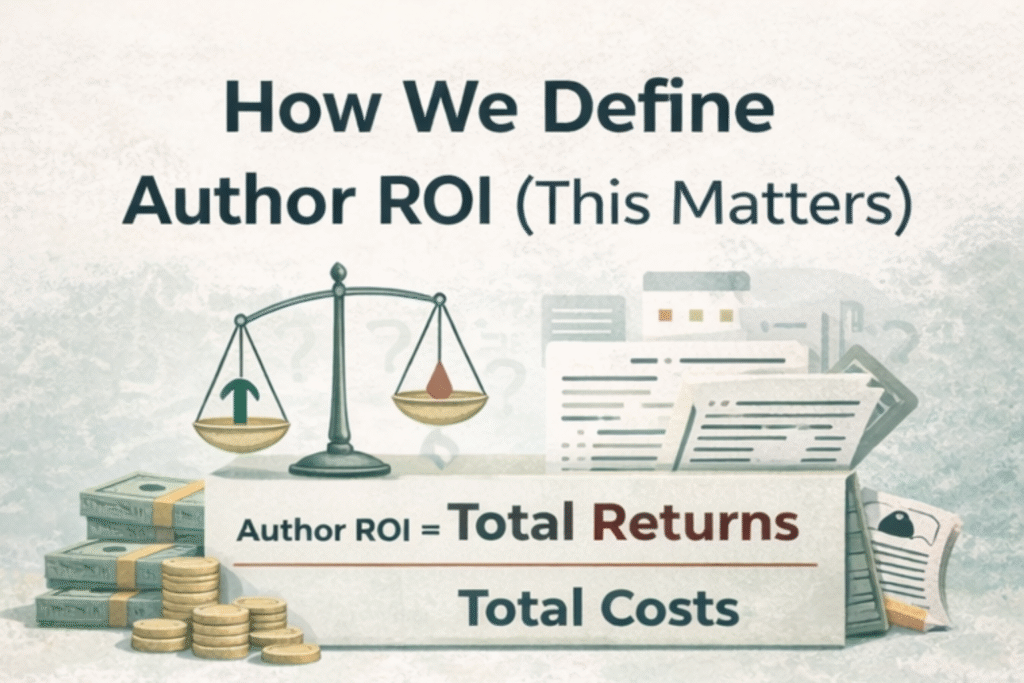
Section 2: How We Define Author ROI (This Matters)
Before we talk about publishing models, timelines, or budgets, we need to be precise about one thing.
What counts as return.
Most disappointment around business books doesn’t come from bad writing or weak ideas. It comes from measuring the wrong thing.
Authors say, “The book didn’t work,” when what they usually mean is:
Book sales didn’t cover expenses.
Royalties were lower than expected.
Amazon rankings faded quickly.
That’s not a failure of the book.
That’s a failure of the measurement.
The Author ROI Equation
In the Manuscripts workflow, we use a simple definition:
Author ROI = Total Returns ÷ Total Costs
Simple does not mean shallow.
This equation forces clarity where most authors avoid it.
To use it correctly, you have to account for all costs and all returns, not just the obvious ones.
Total Costs: What Authors Actually Invest
Most authors underestimate costs. Some do it unintentionally. Others do it because the full number makes the decision feel heavier.
We separate costs into two categories.
Hard Costs
These are direct, visible expenses tied to production and launch:
Editorial and developmental support
Ghostwriting or co-writing
Cover design and interior layout
Publishing and distribution fees
PR, marketing, and launch support
Advertising, if used
Hard costs are easy to track. They show up on invoices. They usually get discussed upfront.
Soft Costs
These are harder to quantify, but no less real:
Time spent writing, revising, and coordinating
Opportunity cost of diverted attention
Internal team involvement
Emotional and cognitive load
Delayed or paused business initiatives
Soft costs are where books quietly become expensive.
Ignoring them doesn’t make them disappear. It just leads to poor decisions later.
Total Returns: Where Value Actually Shows Up
This is where most authors dramatically undercount.
Returns fall into two parallel categories.
Hard Returns
These are directly attributable and measurable:
Book sales and bulk orders
Consulting or advisory revenue
Speaking fees
Training, workshops, or courses
Enterprise or organizational contracts
Retainers or long-term engagements tied to the book
In the datasets we analyzed, these returns often appeared months before publication, triggered by public positioning rather than finished manuscripts.
Soft Returns
These are harder to spreadsheet, but critical to long-term ROI:
Credibility with buyers and partners
Media access and inbound opportunities
Faster deal cycles
Higher close rates
Brand clarity and authority
Network expansion
Soft returns don’t always show up as line items. They show up as momentum.
They compound. They persist. They change what’s possible.
Why Most ROI Calculations Fail
Most authors make two mistakes at the same time:
They count all the costs.
They count only a fraction of the returns.
That creates a distorted picture where the book looks like a poor investment, even when it’s actively driving value.
In the large-scale ROI study and in Manuscripts projects, the pattern is consistent:
Book sales alone rarely justify the effort.
Downstream opportunities often dwarf royalties.
Authors who track only sales conclude the book “didn’t work.”
Authors who track outcomes see a very different story.
Why This Definition Changes Every Decision
Once ROI is defined correctly:
Publishing model choices become clearer.
Budget decisions become more rational.
Timelines feel less arbitrary.
Success metrics shift from vanity to leverage.
It also explains why averages skew high while medians feel modest.
A single enterprise contract can outweigh thousands of book sales.
A single speaking engagement can exceed a year of royalties.
Those outcomes don’t show up if you’re only looking at Amazon dashboards.
The Frame We Use Going Forward
For the rest of this report:
When we say ROI, we mean total returns, not royalties.
When we reference averages, we are capturing upside and variance.
When we reference medians, we are grounding expectations.
When we discuss strategy, we are referring to decisions that shape both.
This section exists to prevent a common mistake:
Evaluating a strategic asset with a retail mindset.
Books are not products in the traditional sense.
They are credibility accelerators with asymmetric payoff.
The next section looks at who actually writes business books, and why understanding author identity is the first step toward controlling that asymmetry.
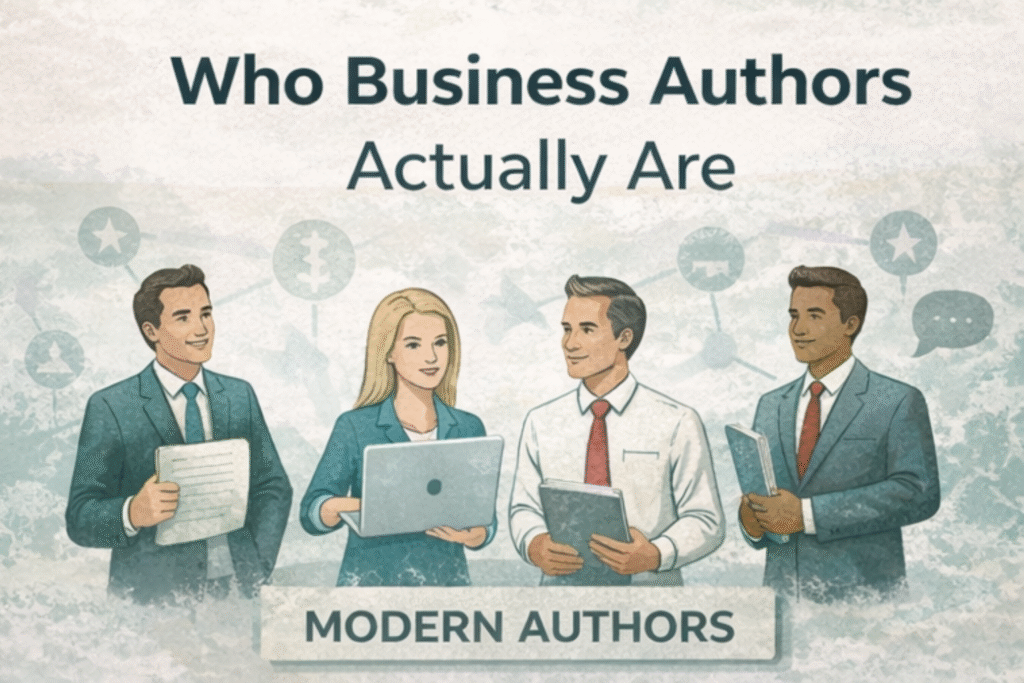
Section 3: Who Business Authors Actually Are
One of the most persistent myths in publishing is that business books are written by “authors.”
They aren’t.
Across the datasets we analyzed, and across hundreds of Manuscripts projects, the pattern is consistent:
Most people who write business books do not primarily see themselves as authors.
They see themselves as something else first.
The Dominant Author Identities
When asked how they describe themselves professionally, business book authors overwhelmingly fall into a few categories:
Consultants and advisors
Corporate executives and senior leaders
Entrepreneurs and operators
Educators, trainers, and speakers
“Author” is usually a secondary identity. Sometimes a reluctant one.
This matters more than it sounds like it should.
Because people don’t write books in a vacuum. They write them in service of the work they already do, or want to do next.
We describe these people as "Modern Authors," individuals writing books not to become an author, but to create leverage for their primary persona or business goals.
Why This Misalignment Creates Problems
Most publishing advice implicitly assumes the reader wants to become an author.
That assumption breaks almost immediately for business writers.
A consultant doesn’t want a book to sell well.
They want it to shorten trust-building cycles.
An executive doesn’t want a book to win awards.
They want it to reinforce authority inside and outside their organization.
A founder doesn’t want a book to be reviewed.
They want it to create inbound conversations.
When these goals aren’t named explicitly, authors default to generic publishing paths that optimize for the wrong outcomes.
That’s how you end up with:
Beautiful books with no business impact
High production spend with unclear returns
Launch plans disconnected from actual objectives
Post-publication confusion about “what to do next”
The problem isn’t the book.
It’s the mismatch between author identity and success criteria.
The Author Economy vs. the Business Reality
The “author economy” framing suggests that:
Books are products
Sales equal success
Visibility comes from rankings
ROI is measured in royalties
That framing works for a small subset of writers.
It fails most business authors.
In practice:
Royalties are rarely the primary return
Visibility comes from relevance, not reach
Credibility compounds faster than sales
Outcomes show up in conversations, not dashboards
This is why averages look strong while individual experiences feel uneven.
Some authors accidentally align their book with their real professional role and see outsized results. Others don’t, and conclude books “don’t work.”
What This Section Is Setting Up
Understanding who business authors actually are (aka Modern Authors) allows us to do three important things later in this report:
Explain why different authors experience radically different ROI from similar books
Show why publishing model choice alone doesn’t explain outcomes
Introduce the concept of author model as the primary driver of speed and scale
Before we talk about cost structures, publishing paths, or launch mechanics, we need to be clear about one thing:
A book does not create value on its own.
It amplifies the value of the work it is attached to.
The next section looks at the economic reality of business books, using both averages and medians, and explains why the gap between them exists.
Section 4: The Economics of a Business Book in 2026
Why the Average Looks Great and the Median Feels Modest
At this point, two things are likely true for the reader.
First, the headline numbers feel encouraging.
Second, they also feel suspicious.
That reaction is healthy.
The economics of business books only make sense when you look at both the average and the median, and understand why they diverge.
The Average Outcome: The Upside Is Real
Across the combined datasets, the average business book generated $186,630 in total returns, against roughly $20,000 in hard costs.
That figure includes:
Book sales
Consulting and advisory revenue
Speaking and training fees
Organizational and enterprise work tied to the book
It reflects actual reported outcomes, not projected value.
This is why books remain attractive to serious professionals. The upside is meaningful. In some cases, it is transformative.
But averages tell you what is possible, not what is typical.
Later in the report, we'll discuss what separates the averages from the median, and how to design a strategy that dramatically increases your odds of serious upside (aka Strategy Is The Divider).
The Median Outcome: The Typical Experience
When you shift from averages to medians, the picture tightens.
Median outcomes are far lower.
Most books do not generate six-figure returns.
Many struggle to recoup their hard costs through book-related revenue alone, especially if they invest in the most costly activities such as ghostwriting or high-end pay-to-play publishing.
This does not mean the average is inflated or deceptive. It means the distribution is uneven.
A small percentage of books produce very large downstream returns. Those outcomes pull the average up. The median reflects what happens when those outliers are removed.
And the median indicates that, for most business authors, your book will deliver at least a 1.25x direct return on your investment. And that number will be higher when indirect returns are factored in.
This is the core economic truth of business books:
They are asymmetric assets.
The upside is uncapped.
The downside is very real.
The middle is crowded.
Why This Gap Exists
The gap between average and median outcomes is not random. It is driven by a handful of structural factors that show up repeatedly.
1. Return Concentration
A single enterprise contract, board role, or multi-year engagement can outweigh years of book sales.
Authors who land one such outcome dramatically shift the average. Authors who don’t remain clustered near the median.
2. Timing of Monetization
Authors who wait until publication to think about monetization compress all risk into a narrow window.
Authors who activate credibility earlier see returns spread out over time, often beginning months before launch.
This changes both speed and total return.
3. Author Model Alignment
As we’ll explore later, different author models have very different ceilings.
One-on-one service models cap upside.
Group, enterprise, and speaking models expand it.
The average reflects authors who accidentally or intentionally align with scalable models. The median includes everyone else.
4. Experience and Cost Discipline
New authors overspend.
Experienced authors spend more selectively.
Overspending without a monetization plan increases downside risk without increasing upside.
What the Numbers Do Not Mean
This is important.
The median outcome does not mean:
Business books “don’t work”
Authors shouldn’t invest
Publishing is a bad bet
It means:
Outcomes are not evenly distributed
Strategy determines which side of the curve you land on
Writing quality alone does not control results
The average shows why books remain powerful.
The median shows why many authors feel disappointed, but it also reveals that even without much strategy the floor is still an asset that returns 1.25x on your investment.
That said, few modern authors are playing for the floor.
How to Read the Rest of This Report
From this point forward:
Averages will be used to illustrate upside and potential
Medians will be used to ground expectations and risk
Patterns will be used to explain why outcomes differ
If you are preparing a recommendation for a CEO or senior leader, this framing is critical.
The right question is not:
“Will the book succeed?”
It is:
“What decisions move us closer to the right side of the distribution?”
The next section answers the most important of those questions: what actually changes the odds.
Next up is Section 5: Strategy Is the Divider, where we examine why having a defined book strategy consistently shifts outcomes, and why this effect shows up so clearly in the data.
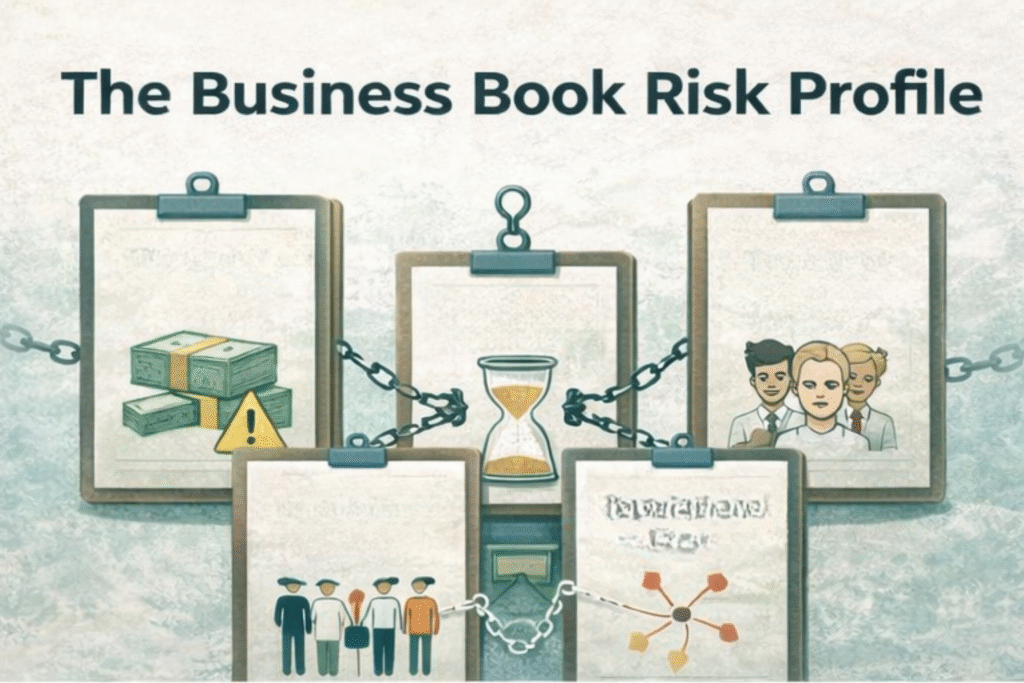
The Business Book Risk Profile How modern authors reduce downside and protect upside
When leaders hesitate about writing a book, they rarely say what they’re actually worried about.
They don’t mean, “What if the writing is bad?” They mean, “What kind of risk is this?”
Books feel risky because the risks are usually undefined.
The Four Risks Every Business Book Carries
A serious book project exposes four distinct types of risk. Successful authors don’t eliminate these risks, they design around them.
1. Financial Risk
Will we spend money without seeing return?
Highest when: Strategy is unclear and spend happens early Reduced by: Outcome definition, author model clarity, presale validation
Modern authors pull ROI forward, often before publication, which shortens the payback window and limits exposure.
2. Time Risk
Will this consume executive attention without payoff?
Highest when: Writing happens in isolation with no milestones Reduced by: Clear timelines, early visibility, and defined decision points
Books fail less often from lack of time and more often from undefined time.
3. Reputational Risk
What if this doesn’t land or feels off-brand?
Highest when: Books are written privately and revealed all at once Reduced by: Early announcement, audience feedback, and iterative positioning
Public visibility before publication allows course correction while stakes are still low.
4. Opportunity Cost Risk
What are we not doing because we’re doing this?
Highest when: The book is treated as a side project Reduced by: Aligning the book to existing goals, offers, and conversations
When the book replaces other efforts instead of amplifying them, opportunity cost spikes.
How Modern Authors Manage Risk Differently
Modern authors don’t assume risk away. They stage it.
They:
Announce early to test relevance Use presale to validate demand Treat visibility as learning, not exposure Let real-world signals guide investment
This turns risk from a single large bet into a series of small, informed decisions.
The Reframe That Matters
A book without strategy is a speculative asset. A book with early activation is a managed investment.
The question isn’t whether risk exists. It’s whether risk is visible early enough to respond.
Bottom line:
The most expensive book risk is waiting too long to learn what the market thinks.
Section 5: Strategy Is the Divider
At this point, the economics should be clear.
Business books can produce meaningful upside.
They can also quietly underperform.
The difference is not talent.
It is not writing quality.
It is not publisher prestige.
It is strategy.
Across every dataset we examined, one variable consistently separated higher-performing outcomes from disappointing ones: whether the author had a defined book strategy before writing began.
What We Mean by “Strategy”
Strategy does not mean:
A marketing plan
A launch checklist
A publicity timeline
A social media calendar
In the Manuscripts workflow, book strategy answers three questions, clearly and in advance:
Who is this book for, specifically? Not “leaders” or “founders.” A real buyer or decision-maker.
What does the book make easier after it exists? Sales conversations, speaking invitations, internal influence, partnerships.
How does value convert into revenue? What happens because someone reads it.
If those questions cannot be answered in plain language, the book is operating without a strategy.
What the Data Shows
Authors with a defined book strategy:
Spent less overall
Saw earlier returns
Generated higher total outcomes
In aggregate, strategy was associated with roughly a 30 percent increase in returns, even when controlling for publishing model and spend.
That lift showed up in two places:
Higher average outcomes, driven by downstream opportunities
Reduced downside risk, reflected in stronger median performance
Strategy doesn’t just increase upside.
It narrows variance.
Why Strategy Changes the Economics
Strategy affects outcomes in ways that compound.
1. It Shapes the Book Itself
Strategic books:
Solve a specific problem
Speak to a defined audience
Create clarity, not completeness
Non-strategic books:
Try to say everything
Drift toward generality
Feel impressive but unfocused
Clarity converts faster than breadth.
2. It Determines When ROI Begins
Authors with strategy begin monetizing intent early.
They talk about the book before it exists
They position the idea publicly
They use the book as a signal, not a finished product
Authors without strategy wait.
For the manuscript
For the cover
For the publication date
By the time they ask how to “launch,” they’ve already lost momentum.
3. It Prevents Overspending
Strategy creates constraints.
What matters
What doesn’t
What can wait
Without a strategy, authors default to spending on reassurance:
More editing
More polish
More services
None of those increase returns if the underlying strategy is missing.
Why New Authors Are Hit Hardest
The costliest pattern we see is not failure.
It’s misallocation.
As an example, the typical cost range for business ghostwriting in the research was $30,000 to $100,000. The typical cost range for professionally supported publishing was $40,000 to $90,000. These costs, while potentially justifiable, are real and meaningful.
New authors often:
Invest heavily before clarifying outcomes
Choose services before defining leverage
Optimize for quality instead of conversion
That’s how budgets balloon without corresponding upside.
Experienced authors don’t necessarily spend less because they’re frugal. They spend less because they know what actually moves the needle.
Strategy Is Not a Guarantee
This matters.
Strategy does not ensure success.
It does not remove risk.
It does not replace execution.
What it does is change the odds.
It increases the probability that effort translates into outcomes. It shortens the time between work and reward. It makes ROI visible earlier and more often.
Without strategy, authors are betting on the right tail of the distribution.
With strategy, they are shaping it.
What This Section Sets Up
If strategy is the divider, the next question becomes:
What kind of strategy makes sense for this author?
That answer depends less on publishing path and more on how the author actually monetizes expertise.
The next section introduces the concept that matters most here: author model, and why identifying it early is critical for speed, scale, and sanity.
Next up: Section 6: Why the Modern Author Model Matters
The Modern Author Decision Sequence Why order matters more than effort
Most disappointing book outcomes don’t come from bad ideas or weak writing. They come from making the right decisions in the wrong order.
Across Manuscripts projects and industry data, successful authors consistently follow the same sequence. When this order is reversed, costs rise, timelines stretch, and ROI becomes unpredictable.
The Modern Author Decision Sequence
1. Define the Outcome What should be easier, faster, or more valuable because this book exists? (Clients, speaking, internal influence, partnerships, credibility) 2. Identify the Author Model How does credibility turn into revenue or leverage? (Consulting, training, enterprise, speaking, platform) 3. Validate Demand Early Publicly announce the book and activate early readers. (Positioning, visibility, presale, feedback) 4. Choose the Publishing Model Select the execution path that supports the strategy. (Traditional, hybrid, modern, or self-directed) 5. Allocate Budget Intentionally Spend in service of leverage, not reassurance. (Strategy before polish, demand before distribution) 6. Execute and Iterate Use real-world signals to refine positioning and offers.
What Happens When the Order Is Wrong Publishing model chosen before outcomes → misaligned books Budget spent before strategy → overspending without upside Writing before demand → late learning and delayed ROI Launch treated as the start → missed early leverage
Why This Sequence Works
This order: Reduces downside risk Pulls ROI forward in time Prevents unnecessary spend Aligns the book with real business outcomes
In the Manuscripts workflow, this sequence exists to prevent the most common and costly author mistake: treating the book as the strategy instead of the amplifier.
Bottom line:
If you change the order, you change the outcome.
Section 6: Why the Modern Author Model Matters
At this point, a pattern should be emerging.
Strategy explains why some books outperform.
Experience explains why costs compress over time.
But there is another variable that consistently determines how fast ROI appears and how large it can become.
That variable is the author model.
What We Mean by “Author Model”
In the Manuscripts workflow, an author model is defined as:
The way an author converts credibility into revenue.
It answers a simple but often ignored question:
Once the book exists, how does money actually show up?
This is not a publishing question.
It’s a business question.
Two authors can publish equally strong books, through the same publisher, with similar audiences, and experience radically different outcomes because their author models are different.
Why Author Model Determines ROI Speed and Ceiling
Across Manuscripts projects and interviews with successful modern authors, we see the same dynamic repeatedly:
Some author models convert credibility into revenue almost immediately
Others require more infrastructure and time
Some have hard ceilings, regardless of book quality
This is why author model identification happens before writing begins in the Manuscripts workflow. These models or clusters align to the 7 Modern Author Personas we laid out previously. This step exists to prevent misaligned books with no economic path.
The Four Author Models We See Most Often
1. Coaches and Consultants
High intimacy. Low scale.
These authors monetize through:
One-on-one consulting
Advisory retainers
Small-group coaching
What the data shows
Fast early ROI
Clear conversion from book to conversation
Limited upside due to time constraints
Common failure mode
Writing for reach instead of relevance
Underpricing post-book services
Books work well here, but the ceiling is set by personal capacity. Without deliberate leverage, ROI plateaus quickly.
2. Trainers and Educators
Moderate scale. Infrastructure-dependent.
These authors monetize through:
Workshops
Cohorts
Certifications
Organizational training
What the data shows
Slower early ROI than consultants
Strong mid-term returns
Higher variance based on delivery systems and marketing
Common failure mode
Relying on word of mouth
Building curriculum before demand is validated
When paired with the right systems, this model scales well. Without them, momentum stalls.
3. Business Owners and Speakers
Highest scale potential.
These authors monetize through:
Keynotes
Enterprise engagements
Platform-driven offerings
Media and partnerships
What the data shows
Fastest ROI velocity
Largest upside
Strong alignment with books as credibility assets
Common failure mode
Treating the book as a product instead of a credential
Waiting until publication to activate visibility
For this model, books are not revenue engines. They are accelerants.
4. Business and Personal Memoirists
Lowest clarity without intentional design.
These authors often write to:
Capture experience
Share a journey
Establish thought leadership through story
What the data shows
Slow or unclear ROI
Emotional and reputational returns dominate
Business impact varies widely
Common failure mode
Assuming story alone creates leverage
No defined post-book pathway
Memoirs can work, but only when explicitly connected to speaking, education, or organizational change.
Why Model Identification Comes First
Publishing model answers:
Who helps produce and distribute the book
Author model answers:
Who pays because the book exists
Confusing the two is one of the most expensive mistakes we see.
Authors often choose publishing paths based on:
Prestige
Speed
Service level
Before answering the more important question:
What economic role is this book meant to play?
The Modern Author Difference
Modern authors do not wait for books to “work.”
They design for outcomes upfront.
They:
Identify their author model early
Align the book to a clear monetization path
Use the book as a signal, not a finish line
Activate credibility before publication
This is why ROI timing differs so dramatically between authors with similar books.
The next section explains how this plays out in practice, and why, for modern authors, ROI often begins before the book is published.
Next up: Section 7: ROI Starts Before Publishing (The Presale and Announcement Effect)
The Modern Author System Why successful books are built, not improvised
By this point in the report, one thing should be clear:
Strong outcomes don’t come from isolated tactics. They come from a coherent system.
Across high-performing authors, we see the same pattern repeated. The specifics vary, but the structure does not.
That structure is what we refer to as The Modern Author System.
What the Modern Author System Is The Modern Author System is a start-to-finish operating model for turning a book into leverage.
It treats the book not as a standalone product, but as a strategic asset that connects positioning, visibility, and monetization over time.
This system exists to reduce variance, compress time-to-ROI, and prevent common failure modes. It's why we, at Manuscripts, named our signature program Modern Author Operating System (OS). While the systems look different for each author, at the core, they all operate on a set of consistent principles and components.
The Five Components of the Modern Author System
1. Outcome Design The book is designed around a specific outcome. Not “reach.” Not “impact.” A concrete business or career result.
This prevents vague positioning and post-launch confusion.
2. Author Model Alignment The book is aligned to how the author actually converts credibility into value. (Consulting, training, enterprise, speaking, platform)
This sets the ceiling on ROI before a word is written.
3. Early Activation Visibility begins before publication. Announcement and presale activate credibility, demand, and learning early.
This pulls ROI forward in time and reduces downside risk.
4. Publishing as Execution Publishing model is chosen to support the strategy, not define it.
Production, distribution, and polish serve leverage, not the other way around.
5. Post-Publication Leverage The book is actively used to create conversations, opportunities, and momentum.
Success is measured in outcomes created, not copies sold.
Why This System Matters
Most book failures are not creative failures. They are coordination failures.
Strategy is decided too late Visibility starts too late Publishing is treated as the plan ROI is expected to appear magically
The Modern Author System exists to prevent those breakdowns.
How This Differs From Traditional Publishing Advice
Both can coexist. Only one reliably produces business ROI.
The Key Reframe
A book does not create leverage by existing. It creates leverage by being strategically positioned, activated, and used.
That requires a system.
Bottom line:
Successful books aren’t written differently. They’re operated differently.
Section 7: ROI Starts Before Publishing
The Presale and Announcement Effect
One of the most persistent misconceptions about books is that ROI begins at publication.
It doesn’t.
Across Manuscripts projects, the earliest and most reliable returns appear before the book is finished, often within 60 days of public announcement.
This is not an anomaly. It is a repeatable pattern.
What We Mean by “Announcement”
When we say authors “announce” their book, we don’t mean a press release or a launch date.
We mean a visible commitment.
In practice, this includes:
Listing the book in public bios
Positioning the idea clearly on the author’s website
Talking openly about the book’s premise and audience
Inviting early readers into the process
Nothing is sold yet.
Nothing is finished yet.
But identity shifts.
The author becomes “someone writing the book on this topic,” not “someone thinking about it.”
That shift alone changes how the market responds.
Presale Is Not an Amazon Feature
Presale is often misunderstood as a retailer setting.
In the Manuscripts workflow, presale is a strategy, not a button.
A presale campaign is a structured commitment that activates early readers, validates demand, and creates commercial momentum before publication.
It exists to do three things:
Prove there is real demand
Activate early advocates
Pull ROI forward in time
Traditional publishers have used presales for decades to manage inventory and rankings. Modern authors use them to activate credibility and outcomes.
What the Manuscripts Data Shows
Across Manuscripts presale campaigns:
90 percent of authors achieved their presale target
Average early fan activation: 212 readers
Average presale-driven revenue: $16,900
96 percent achieved Amazon category bestseller status during launch week
These outcomes were not driven by advertising.
They were driven by fan activation.
Early readers became:
Buyers
Advocates
Proof of demand
That momentum carried through launch week and beyond.
Why Presale Changes the Economics
Presale works because it collapses multiple advantages into a short window.
1. Credibility Is Triggered Early
Public commitment changes perception.
Once a book is named and positioned:
Conversations change
Inbound interest increases
Authority is assumed, not argued
This is why ROI often appears before publication. Credibility does not wait for page numbers.
2. Demand Is Validated Before Risk Peaks
Presale exposes weak positioning quickly.
If no one raises their hand early, the signal is clear. Messaging can be refined. Scope can be adjusted. Resources can be reallocated.
This dramatically reduces downside risk.
3. Fans Become Participants
Presale turns readers into collaborators.
They give feedback
They share the idea
They feel invested in the outcome
By launch, the book already has momentum. It is not asking for attention. It is continuing a conversation.
4. Modern Authors Sell Beyond the Book
Perhaps the biggest benefit of the Announcement & Presale Strategy:
You begin creating leverage for your non-retail book sales offers:
Fans buy your services
Fans advocate for your participation in their conferences, trainings and more
You generate ROI
Fans not only participate. They monetize.
This Is a Modern Author Pattern
This approach is not limited to independent authors.
Many of the most successful modern authors now treat presale as a core strategic move.
Adam Grant opened presales 12 months before publication
Dan Pink opened presales four months before publication
The timing varies. The principle does not.
Early commitment creates leverage.
Why This Matters More in 2026
Three forces make presale and early announcement critical now:
Attention moves faster than production Waiting until launch week to engage the market is too late.
Algorithms reward early velocity Bestseller status is driven by concentrated demand, not steady trickle.
ROI expectations have shifted upstream Authors expect results while the book is being written, not after it’s printed.
In 2026, authors who delay visibility until publication are starting behind.
Presale as a Modern Author Capability
The distinction is simple:
Traditional publishing uses presale to manage logistics
Modern authors use presale to activate outcomes
This is why presale is embedded into the Modern Author workflow. It exists to compress time-to-ROI, validate strategy, and reduce reliance on luck.
Once early demand is activated, publishing model becomes a tactical choice, not a strategic gamble.
The next section examines those publishing models, what they actually control, and what they don’t.
Next up: Section 8: Publishing Models and ROI (What They Do and Don’t Control)
What a Book Actually Requires From an Organization Why books fail quietly when teams aren’t aligned
For executives, a book is rarely a solo project, even when it’s framed that way.
The question most leaders don’t ask out loud is: What will this actually require from my team?
When that question isn’t answered early, books stall, timelines slip, and enthusiasm fades.
The Real Organizational Load of a Business Book A well-run book project typically draws from four areas of support. Not all are required at once, but all should be acknowledged upfront.
1. Executive Time (Non-Negotiable) Typical load: 2–4 hours per week during active phases
This includes:
Strategic decision-making Interviews or draft reviews Positioning alignment Visibility and announcement participation
Books don’t fail because leaders are too busy. They fail because time expectations were never made explicit.
2. Marketing and Communications Support (Light but Strategic) Typical load: 1–2 hours per week, episodic
This often includes:
Website updates (bio, positioning, book page) Email or LinkedIn announcements Presale coordination Launch-week amplification
This is not a full campaign. It is targeted activation at key moments.
3. Operational Coordination (Burst-Based) Typical load: Short bursts around milestones
This may include:
Scheduling interviews or reviews Coordinating presale logistics Tracking early signals and feedback Supporting launch-week execution
Without clear ownership here, friction increases quickly.
4. Strategic Oversight (Often Missing) Typical load: Periodic but critical
This is the most overlooked role.
Someone must be responsible for:
Ensuring the book stays aligned with outcomes Preventing scope creep Saying no to unnecessary spend Translating book momentum into business action
When this role is absent, books become “content projects” instead of business assets.
What Successful Organizations Do Differently
Organizations that see strong book ROI:
Treat the book as a strategic initiative, not a side project Assign clear ownership for decisions and coordination Plan visibility and presale early Align internal expectations before writing begins
They do not overstaff. They plan intentionally.
Why This Matters Most resistance to book projects isn’t about cost.
It’s about uncertainty:
Who owns this? How much time will this take? What will we need to support?
Answering those questions upfront de-risks the project and accelerates execution. And if you don't have organizational support, often smart resource additions through contractors or your publishing team can fill in any gaps.
Bottom line:
Books fail quietly when organizational load is assumed instead of designed.
Section 8: Publishing Models and ROI
What They Do Control, and What They Don’t
By the time most authors start asking serious questions, they’re already focused on the wrong decision.
They ask:
Should this be traditional, hybrid, or self-published?
Which publisher is best?
What package makes sense?
Those questions matter.
They just don’t matter first.
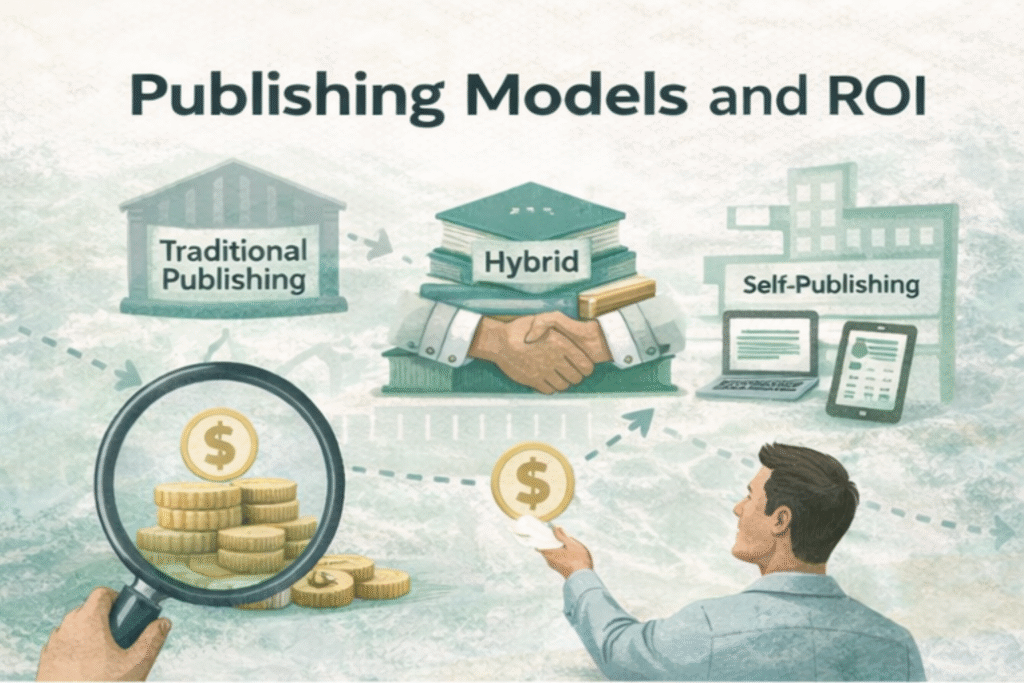
Publishing model affects how a book is produced and distributed.
It does not, by itself, determine whether the book delivers meaningful ROI.
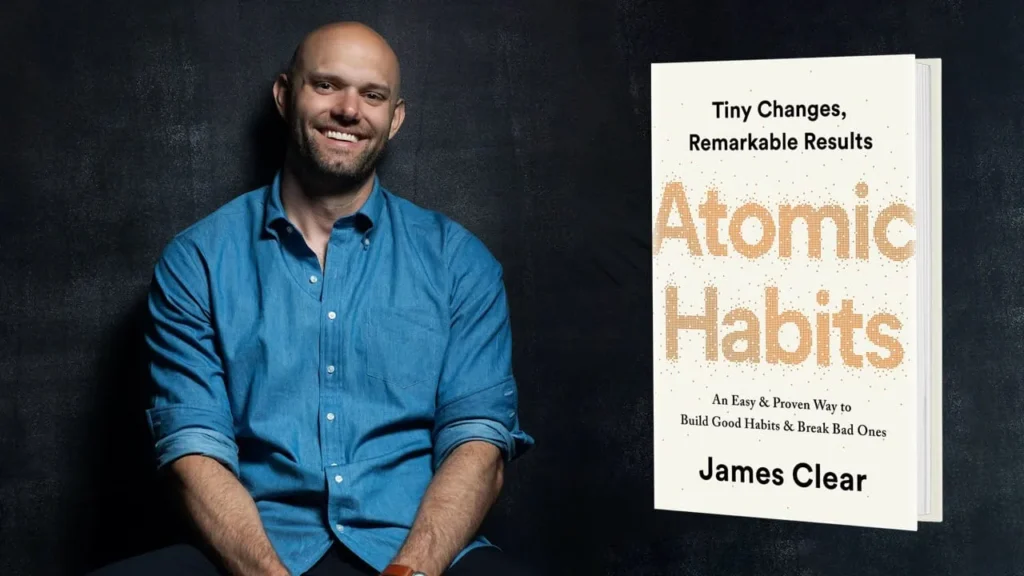
Three of the most well-known nonfiction authors -- Alex Hormozi ($100M Offers), Tim Ferriss (The 4-Hour Workweek) and James Clear (Atomic Habits) -- each moved from a traditional publishing model to author-owned publishing models, signaling a massive shift in the modern author market. Not only was this a signal for the largest players, but perhaps an even bigger signal to those not expecting to sell hundreds of thousands of copies.
This section explains what publishing models actually control, what they don’t, and how to think about the decision clearly in 2026.
What Publishing Models Do Control
Across the data, publishing models consistently influence four variables.
1. Cost Structure
Publishing models shape where money is spent and when.
Traditional publishing shifts financial risk away from the author but stretches timelines.
Hybrid publishing concentrates costs upfront in exchange for service and speed.
Author-owned publishing is a variant of hybrid publishing that uses a shared-cost model for the announcement and presale campaigns.
Self and modern publishing distribute costs incrementally and offer flexibility.
None of these models are inherently “too expensive” or “too cheap.”
They simply allocate risk differently.
2. Speed to Market
Publishing model strongly affects timeline.
Traditional publishing optimizes for distribution readiness, not speed.
Hybrid, author-owned and modern models compress production cycles.
Self-publishing speed depends entirely on author discipline and support.
Speed matters because credibility and attention decay.
But speed without strategy amplifies mistakes.
3. Control and Ownership
Publishing models determine:
Who owns rights
Who has final say on title, positioning, and design
How freely the book can be repurposed
For authors using books as business assets, control is often more valuable than distribution.
4. Operational Load
Different models require different levels of author involvement.
Traditional publishing offloads logistics but limits agency.
Hybrid publishing offloads execution but requires heavy coordination.
Modern publishing shares responsibility, emphasizing systems and support.
The right model depends on how much operational ownership the author wants to retain.
What Publishing Models Do Not Control
This is where most confusion lives.
Publishing models do not reliably control:
Monetization Strategy
Publishers do not design:
Consulting offers
Speaking pathways
Training programs
Enterprise engagement models
If these are not defined by the author, no publishing model will invent them.
Demand
Publishers distribute books.
They do not create market pull.
Demand comes from:
Relevance
Timing
Positioning
Audience activation
Books without demand underperform regardless of publisher.
ROI Speed
The fastest ROI we see appears before publication, driven by announcement, positioning, and presale.
Publishing model becomes relevant after momentum exists.
Outcome Ceiling
The ceiling on ROI is set by:
Author model
Business model
Market size
Scalability of offers
Publishing model affects friction, not ceiling.
Why Publishing Model Confusion Is So Common
Publishing decisions are tangible.
Contracts
Prices
Timelines
Services
Strategy decisions are abstract.
Positioning
Leverage
Monetization
Audience
When outcomes are uncertain, people reach for what feels concrete.
That’s how authors end up:
Over-investing in production
Under-investing in strategy
Blaming the publisher when results fall short
A Clearer Way to Make the Decision
In the Manuscripts workflow, publishing model is chosen after three things are clear:
Author model
Monetization path
Early demand signal
Once those are defined, the publishing decision becomes straightforward:
Which model supports this strategy?
Which constraints matter most?
Which tradeoffs are acceptable?
This reverses the typical order and dramatically improves outcomes.
The Reframe That Matters
Publishing model is not a growth strategy.
It is an execution strategy.
When authors treat it as the former, disappointment follows.
When they treat it as the latter, books behave like assets.
The next section synthesizes everything so far and translates it into practical guidance for authors planning a 2026 book.
Next up: Section 9: What This Means for Authors Planning a 2026 Book
Section 9: What This Means for Authors Planning a 2026 Book
At this point, the patterns are no longer abstract.
The data does not suggest that books are risky.
It suggests that unstrategic books are.
For authors planning a 2026 book, the implications are clear and practical.
1. Start With Outcomes, Not Publishing
The most expensive mistake is starting with the wrong question.
“Who should publish this?” is not a strategy question.
It’s a logistics question.
The strategic questions come first:
What do we want this book to make easier?
Who needs to change their mind because this book exists?
How does credibility convert into revenue or influence?
What does success look like 6, 12, and 24 months out?
Authors who answer these questions early spend less, see ROI sooner, and avoid post-launch confusion.
2. Identify the Author Model Before Writing Begins
Every book sits inside an author model, whether it’s named or not.
One-on-one coaching and consulting models cap scale
Group and enterprise models expand it
Speaking and platform models compound it
Memoirs require explicit pathways to create leverage
Books aligned with the wrong model feel busy but ineffective.
Author model identification is not an academic exercise. It determines:
How the book is framed
What the book emphasizes
Which opportunities appear
How quickly ROI shows up
3. Treat the Book as a Signal, Not a Finish Line
The most consistent modern author pattern is this:
ROI begins when the book is named and positioned publicly, not when it ships.
Waiting for publication to talk about the book delays:
Credibility
Conversations
Demand
Learning
Announcing early is not premature.
It is how modern books de-risk.
4. Use Presale to Validate and Accelerate
Presale is not about hitting a list.
It is about:
Proving demand
Activating early readers
Creating momentum before risk peaks
Authors who run structured presale campaigns:
Pull revenue forward
Improve launch outcomes
Reduce reliance on ads or algorithms
Presale turns the book from a private project into a public asset.
5. Choose Publishing Model Based on Constraints, Not Hope
Once strategy, author model, and early demand are clear, publishing decisions simplify.
The right question becomes:
What model supports this strategy with the least friction?
For some authors, that’s traditional publishing.
For others, it’s hybrid, modern, or self-directed paths.
What matters is fit, not prestige.
6. Budget for Strategy, Not Just Production
High-performing authors do not win by spending more.
They win by spending in the right order.
Strategy before services
Positioning before polish
Demand before distribution
Overspending usually signals uncertainty, not ambition.
7. Expect ROI Before the Book Is Finished
This is the most counterintuitive implication.
For modern authors, ROI often shows up:
In inbound conversations
In early clients
In speaking inquiries
In partnership interest
If nothing changes in the business until after publication, something upstream is missing.
A Simple Reframe for 2026
A business book is not a bet on sales.
It is a bet on leverage.
The authors who win in 2026 are not the ones who write the best books. They are the ones who design the clearest pathways between credibility and outcomes.
The final section answers the questions most readers will now be asking, directly and concisely.
Next up: Section 10: FAQs
What Success Looks Like at 90, 180, and 365 Days How modern authors track progress without waiting for publication
One of the reasons books feel risky is that success is often measured too late.
By the time publication arrives, most of the meaningful decisions have already been made, and most of the leverage has either been activated or missed.
Modern authors don’t wait that long.
They track progress in stages.
The 90–180–365 Day Success Timeline
This timeline reflects what we consistently see across high-performing Manuscripts projects. Exact outcomes vary by author model, but the signals are remarkably consistent.
At 90 Days: Credibility and Signal
What should be visible
The book is publicly named and positioned The author is associated with a clear idea or problem Bios, websites, and profiles reflect the book Early conversations reference the book unprompted
What often shows up
Inbound interest Early client or partner conversations Speaking or podcast inquiries Presale traction or early reader activation
What this tells you The market recognizes the book as real. ROI has begun, even if the manuscript is incomplete.
At 180 Days: Demand and Momentum
What should be visible
Presale or early access milestones met A defined group of early readers or supporters Clear messaging around the book’s value Internal clarity on how the book supports business goals
What often shows up
Paid opportunities tied to the book’s topic Clearer product or service pathways Stronger positioning in the author’s market Reduced uncertainty about launch outcomes
What this tells you The book is no longer a hypothesis. It is generating momentum and validating strategy.
At 365 Days: Leverage and Outcomes
What should be visible
The book is published (or with a set publication date) and actively used Speaking, training, or consulting tied to the book Measurable downstream revenue or influence A clear narrative connecting the book to outcomes
What often shows up
Compounding opportunities Higher-quality inbound leads Increased authority in a defined space Strategic optionality the author didn’t have before
What this tells you The book is functioning as an asset, not an artifact.
Why This Timeline Matters
This staged view does two important things:
1. It prevents premature judgment based on book sales alone 2. It makes progress visible long before launch day
Authors who wait until publication to assess success often miss early leverage and overestimate risk.
A Final Reframe
If nothing meaningful is happening at 90 days, something upstream is missing. If momentum exists by 180 days, outcomes almost always follow. If leverage is intentional at 365 days, the book continues working long after launch.
Bottom line:
Modern book success is not a moment. It is a sequence.
Section 10: Frequently Asked Questions
What is the average ROI for a business book?
Across the dataset analyzed in this report, the average business book generated approximately $186,630 in total returns, against roughly $20,000 in hard costs. This average reflects downstream outcomes such as consulting revenue, speaking fees, training, and enterprise work, not just book sales.
The average captures upside potential. It does not represent the typical experience.
Why do averages look high while many authors feel disappointed?
Because business book outcomes are highly uneven.
A small percentage of books generate very large downstream returns. Those outcomes pull the average up. The median reflects what happens when those outliers are removed.
This gap exists because:
Returns concentrate in scalable author models
Strategy varies widely
Many authors overspend before clarifying outcomes
The average shows what’s possible. The median shows what’s common.
How much do authors typically spend to publish a business book?
Spending varies widely by experience and publishing model.
Across studies and Manuscripts projects:
New authors tend to overspend significantly
Experienced authors spend more selectively
Overspending is often driven by uncertainty, not necessity
The most important factor is not total spend, but when and why money is invested.
Do book sales predict business book success?
No.
Book sales alone are a weak predictor of total ROI for business authors.
In most high-performing cases:
Royalties represent a minority of total returns
The majority of value comes from consulting, speaking, training, or enterprise work triggered by the book
Authors who measure success primarily by sales often undercount real returns.
Is strategy more important than publishing model?
Yes.
Publishing model affects:
Cost structure
Timeline
Control
Operational load
Strategy affects:
Demand
Monetization
ROI speed
Outcome ceiling
Books with clear strategy consistently outperform books that rely on publishing model alone.
Why do new authors tend to overspend?
New authors often:
Invest before clarifying outcomes
Optimize for polish instead of leverage
Choose services before defining a monetization path
This leads to higher costs without increasing upside.
Experience reduces overspending not because authors care less, but because they know what actually drives outcomes.
When does ROI typically begin for modern authors?
For modern authors, ROI often begins before publication.
Across Manuscripts projects, authors frequently saw:
Inbound conversations
Early clients
Speaking inquiries
Revenue tied to the book
Within 90 days of publicly announcing the book, not after launch.
This early ROI is driven by positioning, visibility, and presale, not by finished manuscripts.
What is a presale campaign, and why does it matter?
A presale campaign is a structured public commitment to a book that:
Activates early readers
Validates demand
Creates momentum before publication
Presale reduces downside risk and accelerates outcomes. It is used strategically by modern authors to pull ROI forward in time.
Which author models see the fastest ROI?
Author models with higher scalability tend to see faster and larger ROI:
Business owners and speakers
Trainers and educators with group or enterprise offerings
One-on-one consulting models often see early ROI but lower ceilings. Memoirs require explicit pathways to generate business outcomes.
Should a CEO or executive write a book in 2026?
A book makes sense when:
There is a clear outcome it is meant to support
The author model is defined
The organization is willing to activate visibility early
Success is measured by leverage, not sales
Without those conditions, a book becomes an expensive distraction.
What’s the single biggest mistake business authors make?
Treating the book as the strategy.
A book amplifies an existing business model. It does not create one.
Authors who design for outcomes first and publishing second consistently see better results.
How should this report be used internally?
This report is designed to:
Support executive decision-making
Frame budget and resource discussions
Align teams around realistic outcomes
Prevent misaligned investments
It should be read before choosing a publisher, approving a budget, or setting timelines.
Closing
The data is clear.
Books can create enormous leverage.
They can also create expensive confusion.
The difference is not effort or talent.
It is clarity of model, strategy, and timing.
This report exists to give you that clarity.
Writing a book in 2026 is no longer a question of possibility. It’s a question of design.
The authors who see leverage are not more talented or more visible. They are more intentional about outcomes, timing, and risk.
This report exists to help you decide how to proceed, not to push you toward a single path.
If you take nothing else from it, take this: books work best when they are treated as systems, not projects.
If You’re Deciding What to Do Next
If this report clarified your thinking, the next step is usually not “publishing.”
It’s pressure-testing your strategy before you commit time, budget, or reputation.
Here are three ways authors typically proceed.
Map Your Modern Author Strategy
If you want to:
Pressure-test your author model
Clarify realistic outcomes
Understand where ROI is likely to show up
Avoid unnecessary spend
A short strategy conversation can surface issues early, before they become expensive.
Eric Koester is an award-winning entrepreneurship professor at Georgetown University, bestselling author, and founder of Manuscripts. His work focuses on how ideas become assets, how books create leverage, and why modern authors need systems, not just publishing support.
He has worked with thousands of authors across traditional, hybrid, and modern publishing paths, helping them turn books into platforms, platforms into credibility, and credibility into durable business outcomes.
About Manuscripts
Manuscripts is the Modern Author OS for nonfiction experts.
We help founders, executives, coaches, and thought leaders design books as strategic assets, not standalone products. Our work spans positioning, author model design, developmental editing, AI-enhanced drafting tools, presale strategy, and long-term launch systems.
Manuscripts authors use their books to generate clients, speaking engagements, training programs, and enterprise opportunities, often before publication.
For readers who want to go deeper into specific mechanics, the following guides expand on topics referenced in this report:
How to Write a Book if You’re Busy
Modern Ghostwriting for Nonfiction Authors
AI Tools for Authors in 2026
How to Build an Audience Before You Write Your Book
The Evergreen Launch System for Modern Authors
Powered by Codex, the Modern Author Intelligence Tool.
Jim Kwik didn’t start out confident. He wanted to be invisible. He sat behind the biggest kid in class because he didn’t have the answers.
And then he built a career teaching people how to learn, focus, and remember, basically the exact skills that authors need when they’re trying to write something real.
That’s the point of this episode. You’re not broken. You’re training.
Who this is for
This is for you if:
imposter syndrome keeps you quiet
perfectionism slows you down
distraction eats your writing time
you’re writing alone and it feels heavy
The Modern Author lesson
You don’t defeat writing resistance with motivation. You defeat it by naming the villain and training one superpower at a time.
5 takeaways authors can steal from Jim Kwik
1) Your labels become your limits
The point: the story you believe about yourself shapes what you attempt.
Kwik’s moment: he was labeled “the boy with the broken brain,” and that label became a box.
Use it as an author: write down the label you’re operating under, then rewrite it as a skill you’re building.
Quick reframe examples
“I’m not a real writer” → “I’m a writer in reps.”
“I’m bad at structure” → “I’m learning structure through templates.”
“I can’t focus” → “I’m rebuilding focus stamina.”
Chapter angle: “The labels that quietly kill books before they’re written.”
2) Self-awareness is a superpower
The point: you can’t fix patterns you refuse to see.
Kwik’s idea: curiosity and self-awareness come first, then courage to be yourself.
Use it as an author: identify your default sabotage pattern:
Distraction → focus reps (Pomodoro + phone out of room)
Loneliness → community reps (weekly sprint)
Overthinking → clarity reps (write the simplest version first)
Step 4: Do 7 reps
One rep per day. Small is fine. Consistent is the point.
Step 5: Capture proof
End each day with one line:
“What did I do today that a person who finishes books would do?”
That line rewires identity.
FAQs
What’s the biggest reason people don’t finish writing a book?
Most people don’t fail on ideas, they fail on consistency because villains like perfectionism, imposter syndrome, and distraction win the daily battle.
How do you beat imposter syndrome while writing?
Treat it like a villain, not your identity. Build proof through small visibility reps and consistent writing sprints.
What’s a good daily writing routine for busy professionals?
Use 25-minute writing sprints with 5-minute breaks, and remove your phone from the room.
What does Jim Kwik mean by “dominant question”?
It’s the question you repeatedly ask yourself, consciously or not, that directs your focus and shapes your behavior.
Listen and watch
Dan Pink on Making Progress When Writing a Book Feels Endless -
Book Is the Hook
Writing a book doesn’t come with a progress bar.
In this live, in-class conversation, Dan Pink explains why long projects feel so disorienting, how writers lose their sense of momentum, and what actually keeps people motivated over months and years.
He shares how his research into motivation shaped his own writing habits, why routines matter more than inspiration, and the simple end-of-day ritual he uses to stay grounded in progress.
This episode is especially helpful for writers and creators who feel stuck in the middle of big projects and need a clearer way to measure forward motion.
Eric Koester is an award-winning entrepreneurship professor at Georgetown University, bestselling author, and founder of Manuscripts. He has helped more than 3,000 nonfiction authors turn ideas into books, and books into platforms for speaking, media, and business growth.
About Manuscripts
Manuscripts is a modern publishing partner for nonfiction authors who want their books to drive real-world outcomes. We help founders, executives, coaches, and experts design, write, and launch books that build authority, attract opportunities, and compound into long-term business assets.
Work With Us
If you’re writing a book you want to matter, we’ll help you map the right strategy before you write another word.
Most first-time authors start with the wrong question:
“How do I write a great chapter?”
The better question:
“How do I structure my ideas so readers understand, remember, and act on them?”
Thought leaders don’t win because they’re better writers.
They win because their ideas are delivered through a structure that makes those ideas unavoidable.
And James Clear’s Atomic Habits provides one of the cleanest, most repeatable structures modern authors can steal.
At Manuscripts, we’ve studied more than 2,500 nonfiction books inside the Modern Author OS. Across industries, voices, and genres, one pattern keeps showing up:
Readers trust frameworks more than opinions.
Readers remember stories more than arguments.
Readers act when structure makes action simple.
James Clear mastered that blend.
In this guide, you’ll learn exactly how to use Clear’s “Principles Framework” to build chapters that feel polished, persuasive, and inevitable — even if you’re busy, overwhelmed, or unsure how to organize your ideas.
This is the approach we use inside the Modern Author Accelerator and Codex AI to help authors transform scattered expertise into clean, compelling chapters.
Why Readers Trust Principles More Than Advice
Most books fail because they tell people what to do instead of showing how the world works.
Advice feels personal.
Principles feel universal.
James Clear built his book around principles like:
Identity drives habits
Environment shapes behavior
Small improvements compound
These aren’t tips.
These are truths.
A principle is a timeless rule about how something works.
When a reader recognizes it, you get instant credibility.
Why Principles Work So Well in Modern Thought Leadership
They:
Create shared language
Anchor your frameworks
Make your ideas portable
Encourage word-of-mouth (“She teaches the principle of X…”)
Position you as a category thinker, not an advice-giver
If you want to write like a thought leader, your chapters must translate your expertise into principles — then prove them with stories, data, and frameworks.
The James Clear Chapter Structure (Reverse Engineered)
We broke down Clear’s chapters across Atomic Habits and found a repeatable flow:
THE CLEAR PRINCIPLES CHAPTER MODEL
Start With a Story A vivid, often surprising story that represents the principle in action.
State the Principle A clear, memorable truth about how the world works.
Explain the Principle Why does this principle matter? What makes it universal?
Demonstrate the Principle Real-world examples, research, case studies, or analogies.
Introduce a Framework A simple, visualizable system or model that operationalizes the principle.
Apply the Framework Show readers what to do and how to do it.
End With a Memorable Line or Punchline A repeatable idea that readers can’t forget.
This structure is extremely friendly for:
Busy authors
Business leaders
Consultants
Coaches
Creators
Anyone trying to turn expertise into IP
It reduces blank-page stress and gives your reader cognitive grip.
Build Your Chapter Around One Core Principle
Every great chapter answers one question:
“What is the single principle this chapter proves?”
If your chapter has three ideas, it’s confusing.
If it has one idea, it’s powerful.
Your principle must be:
True (backed by research or lived experience)
Simple (plain language)
Useful (changes behavior or perspective)
Memorable (easy to teach)
Examples:
“People don’t rise to the level of their goals. They fall to the level of their systems.”
“Clarity creates courage.”
“Positioning is what you own in the mind, not what you say in the pitch.”
Inside Codex, this is where we extract:
Repeated beliefs
Thematic patterns
Contrasts
Identity statements
Core insights
And then synthesize them into a clean principle.
Start With a Story (Your Anchor)
Clear opens nearly every chapter with a surprising or emotional story.
Why?
Because stories create cognitive hooks.
The story makes the principle stick.
Your story must do at least one of these:
Illustrate the principle in action
Represent a transformation
Set up the problem the reader is facing
Create tension or curiosity
Build trust through vulnerability
Examples from Clear:
The British cycling team transformation
The Japanese train station cleaning ritual
The Seinfeld chain method
Stories = stickiness.
Principles = clarity.
Frameworks = action.
That combination creates bestseller energy.
Demonstrate the Principle With Multiple Angles
James Clear doesn’t just state a principle and move on.
He proves it three ways:
1. Research or data
Gives credibility.
2. Examples or case studies
Makes it relatable.
3. Metaphors or analogies
Makes it memorable.
When we work with authors, we call this the Evidence Bundle.
One principle → three types of proof.
This is where the Manuscripts methodology shines:
we teach authors how to gather stories, turn them into data, and feed them into Codex so that each chapter writes itself.
Turn Your Principle Into a Framework
This is where most first-time authors fall short.
They give great stories.
They explain great ideas.
They forget to give readers a system.
James Clear always does.
He turns principles into:
4 Laws
Systems
Rules
Models
Step-by-step processes
A framework moves readers from “I understand” to “I can use this.”
For your book:
Give every chapter one framework
Make it visual
Use 3–5 steps (cognitively optimal)
Tie each step back to the principle
This is also how you turn your book into:
A keynote talk
A workshop
A course
A coaching program
An enterprise training system
Frameworks = monetization.
Close With a Punchline or Insight They Can’t Forget
Clear ends each chapter with a sharp, memorable line.
These lines often end up:
Quoted
Shared
Highlighted
Used in talks
Referenced in articles
Examples:
“You do not rise to the level of your goals. You fall to the level of your systems.”
“Every action you take is a vote for the type of person you wish to become.”
Your closing line should be:
Short
True
Repeatable
Aligned with the principle
This becomes your intellectual signature.
Your Chapter Template (Manuscripts Version)
Here’s the Manuscripts + James Clear hybrid chapter template:
CHAPTER TITLE (Benefit + Insight)
1. Opening Story
One vivid, emotional story that sets up the idea.
2. State the Core Principle
One sentence.
3. Explain the Principle
Why it matters. Why it’s universal.
4. Demonstrate the Principle
Research
Case studies
Examples
Metaphors
5. Introduce the Framework
3–5 steps.
6. Apply the Framework
Practical, step-by-step implementation.
7. Close With a Punchline
One memorable, tweet-length idea.
Feed this to Codex and you’ll get a chapter preview in 20 seconds.
Why This Structure Works for Busy Authors
If you’re a busy modern author, you need structure that creates speed.
This model gives you:
A predictable chapter flow
A way to write in 60–90 minute bursts
A framework that turns scattered notes into clear structure
A repeatable process you can use 10–12 times
A blueprint for repurposing every chapter into content
This is why our Accelerator authors can write high-quality drafts in 8–14 weeks even with full-time jobs.
How Codex Accelerates This Entire Process
Codex turns the James Clear method into an automated outline generator.
Upload a transcript, notes, or a research dump and Codex will:
Extract potential principles
Map your stories to principles
Identify gaps
Cluster examples
Propose 3–5 frameworks
Generate chapter outlines
Rewrite principles in cleaner language
Produce chapter summaries, headlines, and social posts
This takes authors from overwhelm to momentum fast.
Bringing It All Together
Writing like a thought leader is not about being a genius.
It’s about having a structure that elevates your ideas.
James Clear gave modern authors one of the most effective chapter models in nonfiction.
Use it.
Adapt it.
Make it your own.
This framework, combined with Codex and the Modern Author OS, gives you everything you need to write chapters that are clear, persuasive, memorable, and actionable.
If you want to write like a thought leader, build chapters around principles.
Principles build books.
Books build opportunities.
Opportunities build a platform.
Call to Action
If you want help using the James Clear Principles Framework to write your book, schedule a free strategy call with Manuscripts.
We’ll help you:
Identify your core principles
Build your frameworks
Structure your chapters
Use Codex to accelerate your draft
Build your platform while writing
Turn your book into speaking, clients, and business growth
Eric Koester is an award-winning entrepreneurship professor at Georgetown University, bestselling author, and founder of Manuscripts, the Modern Author OS used by more than 3,000 authors. His work has helped creators turn ideas into books, books into brands, and brands into scalable businesses.
About Manuscripts
Manuscripts is the leading full-service publishing partner for modern nonfiction authors. We help founders, executives, coaches, and experts turn their books into growth engines, through positioning, coaching, developmental editing, design, AI-enhanced writing tools, and strategic launch systems. Manuscripts authors have sold thousands of books, booked paid speaking gigs, landed media features, and generated millions in business from their IP.
Work With Us
If you’re writing a book you want to matter, let’s map out your Modern Author Plan.