MANUSCRIPTSMANUSCRIPTS
  • Write Your Book
  • Publish With Us
  • Book Launches
  • Blog
SCHEDULE A CALL

How To Leverage Creativity in Writing: Insights From Austin Kleon

Pablo Picasso once said:

“Good artists borrow, great artists steal.”

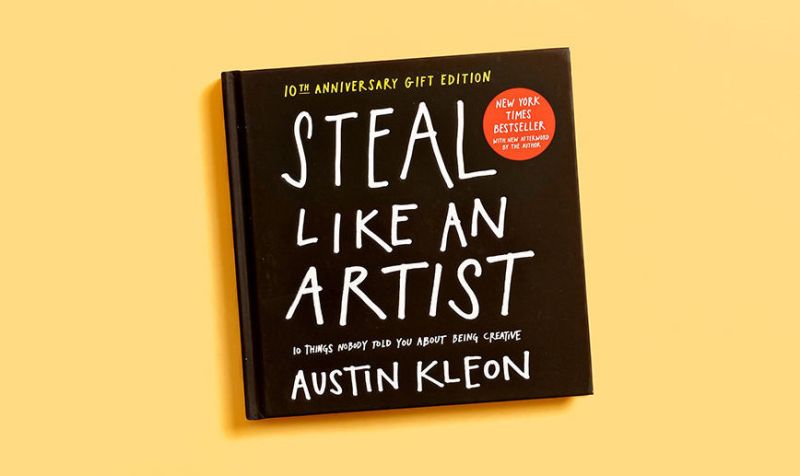
So I sat down with Austin Kleon, author of “Steal Like An Artist” to talk about creativity and writing.

These are the 10 best takeaways:

1) Exploring and Collecting.

Having a system for exploring and collecting ideas is vital.

The best creators:

• Explore the world
• Capture its essence
• And share the result

2) Input to Output Ratio.

Inputs:

• Reading
• Learning
• Inquiring

Outputs:

• Writing
• Ideating
• Creating

The ratio should be at least 1:1

If not 2:1, input to output.
3) Thinking in Verbs, Not Nouns.

Don’t become too attached to job titles or nouns.

Instead, focus on the verbs.

The actions you take.
The stuff you really enjoy.
The things others respond to.

4) Authenticity and Frequency.

Authenticity and consistency are KEY.

Try to set:

• Goals
• Deadlines
• Aspirations

This will help maintain frequency which will turn into consistency.

5) The Role of the Reader.

A book comes alive when the reader picks it up.

The reader’s interpretation and engagement with the work is a crucial part of the creative process.

So pour out your heart and soul.

6) Making Yourself Interesting.

To create interesting work, you need to be an interesting person.

That doesn’t mean:

• Outlandish
• Eccentric
• Flashy

Just be genuinely interested in the world.

And make it interesting to others.

7) The Importance of Fun.

Writing should be fun.

If it feels like work, not play, it’s hard for the reader to enjoy it.

They feel what you feel.

(That’s the beauty of writing).

8) Stealing Like an Artist.

This doesn’t mean plagiarizing.

Rather, you should draw inspiration from existing works and add your own spin.

Everything’s already been said.

But maybe not by you…

9) The Power of Visuals.

Austin Kleon’s creative process often involves visuals.

When there are more pictures than words, creativity thrives.

As they say:

“A picture is worth 1,000 words.”

10) The Value of Notebooks.

As a writer, you NEED a notebook.

Not only will it help capture thoughts and ideas, but you can also revisit them.

You’ll see your evolution over time.

How do you cultivate creativity in your writing?

Share this post

Facebook Twitter LinkedIn Google + Email

Author

Eric Koester


Related Posts

Write Like a Thought Leader: Why No One Cares About Your Success Until You Do This (Russell Brunson’s Lesson)

Most people think audiences care about credentials. They don’t. They care about movement. Russell Brunson understood this early. Long before ClickFunnels was a... read more

How to Publish a Book in 2026: The Complete Modern Publishing Guide

This guide is written for people who don’t want folklore, outdated advice, or publishing myths. It’s for decision-makers who want... read more

The Modern Author: Daniel Handler on Solitude, Risk, and Original Work

Daniel Handler has never treated solitude as a problem to be solved. Across his work, both under his own name and... read more

The Modern Author: Arianna Huffington on Burnout, Focus, and Creative Energy

Arianna Huffington didn’t burn out because she was weak. She burned out because she was successful, driven, and running at full... read more

Depth Over Frequency for Growing Your Brand

If you're interested in growing your brand or amplifying your voice, here's what we found in the research. Aim for depth... read more

The Modern Author: How Jim Kwik Became the Superhero Who Battled His Villains

Jim Kwik didn’t start out confident. He wanted to be invisible. He sat behind the biggest kid in class because... read more

The Modern Author: Why Debbie Millman Chose To Stop Waiting To Feel Ready

Debbie Millman’s career shows that creative confidence is not a prerequisite for serious work, but a byproduct of sustained action... read more

How to Build an Audience BEFORE You Write Your Book: The Modern Author Playbook for 200 True Fans, Presales, and Reader-First Publishing 

Building an audience for a book does not require scale. It requires structure. This guide introduces a set of practical systems that... read more

Write Like a Thought Leader: Why You Should Stop Outlining (and Do This First)

Most authors start every book the same way: Open a document. Write an outline. Stare at it. Then stall. Outlining feels like progress — it’s... read more

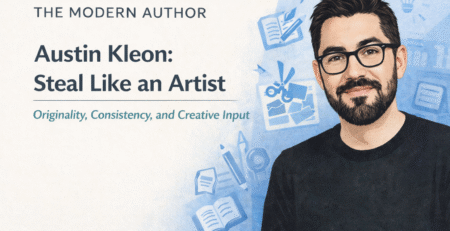
The Modern Author: Why Austin Kleon Wants You To Steal Like an Artist To Write Like Yourself

Most authors don’t get stuck because they lack ideas. They get stuck because they’re afraid their ideas aren’t original. They’ve read too... read more

Recent Posts

  • From Book to Stage: How to Turn Your Book Into Speaking, Media, and Enterprise Opportunities
  • The Modern Author: Why Riley Sager Engineers His Endings Before He Writes Page One
  • Scribe Media vs. Manuscripts: Which Model Fits Serious Business Authors?
  • Write Like a Thought Leader: John Thompson’s “Wedge vs Wish” Lesson on Why Most Books Fail
  • How to Write a Book Without Ghostwriting: Why Your Voice Matters (And How to Do It)

Recent Comments

  1. Suma Mathai on Righting My Writing: What It’s Like to Work With a Developmental Editor
  • Write Your Book
  • Publish With Us
  • Book Launches
  • Codex
  • Blog
MANUSCRIPTS © Copyright 2025. All Rights Reserved.
  • Write Your Book
  • Publish With Us
  • Book Launches
  • Blog